
Last updated November 25, 2026
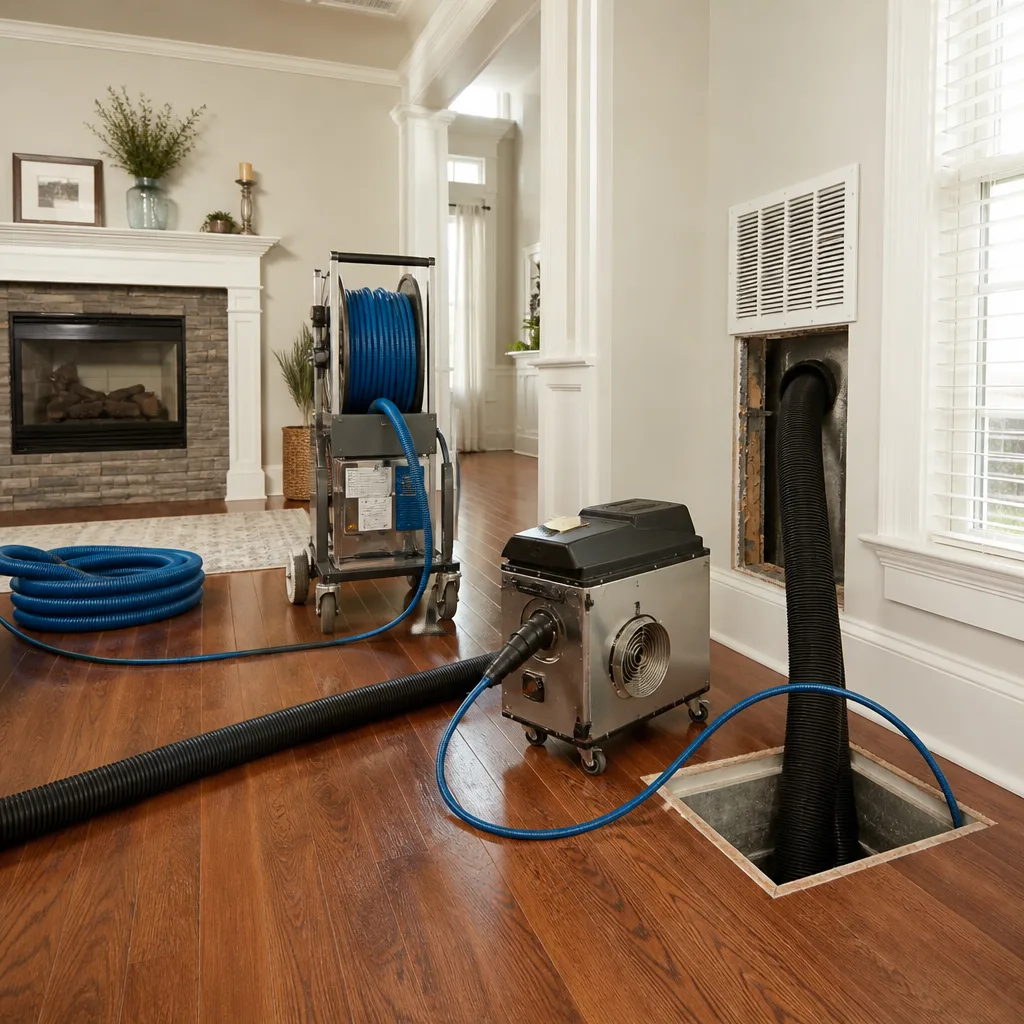 Whole-home duct cleaning
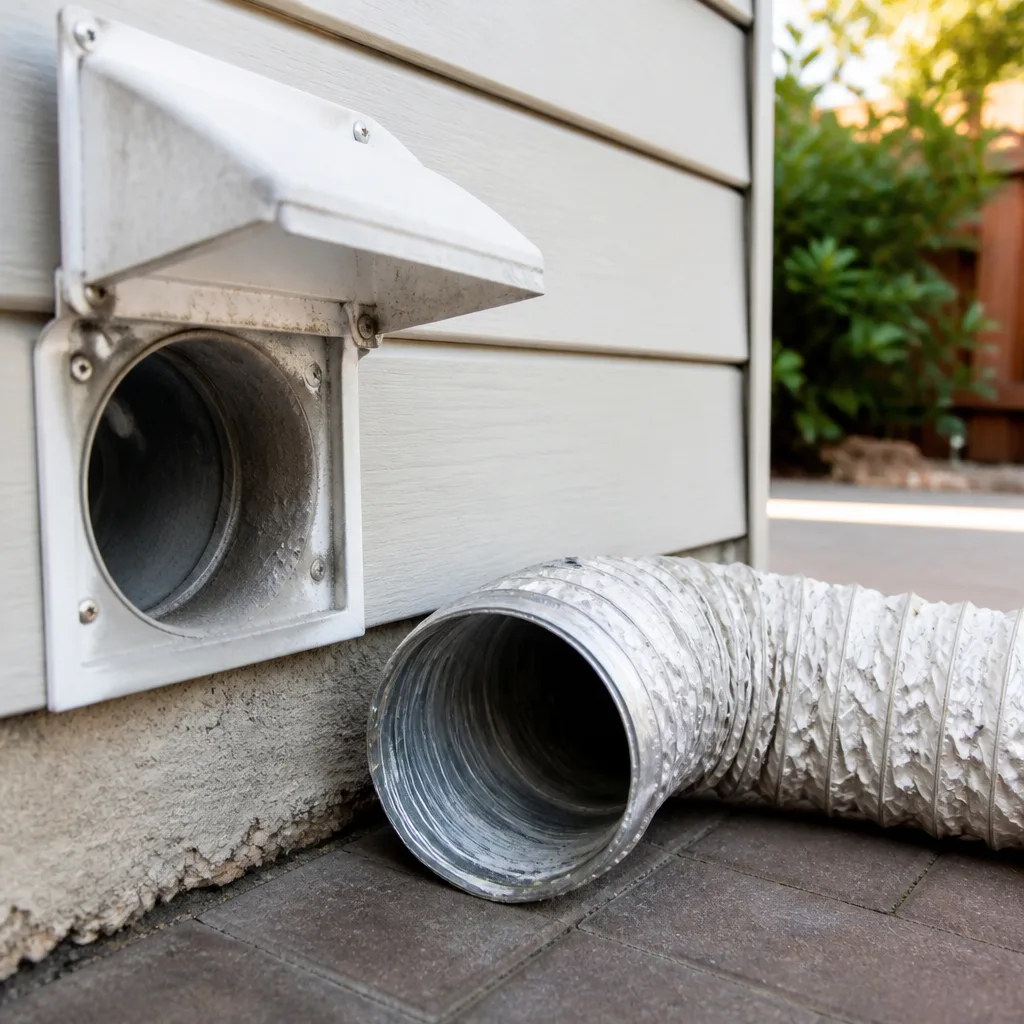 Dryer vent cleaning
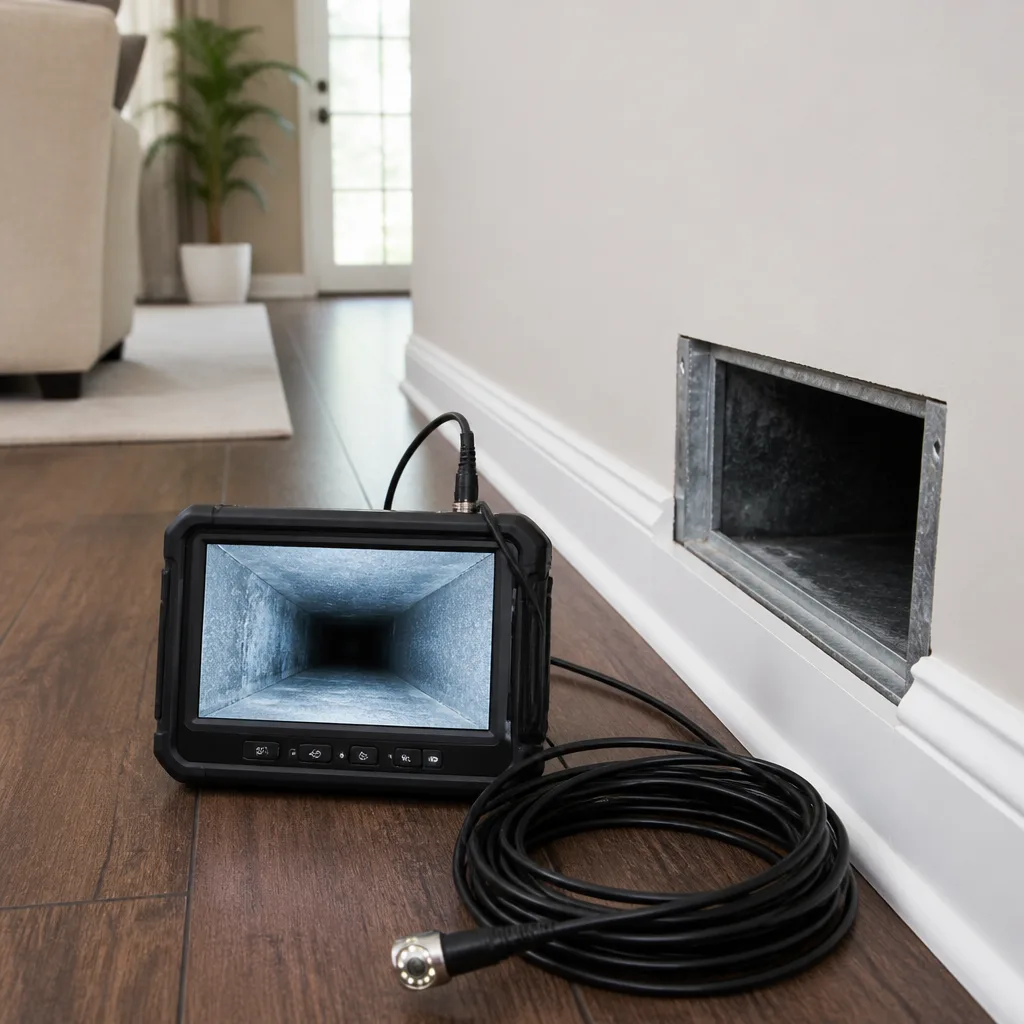 Camera inspection
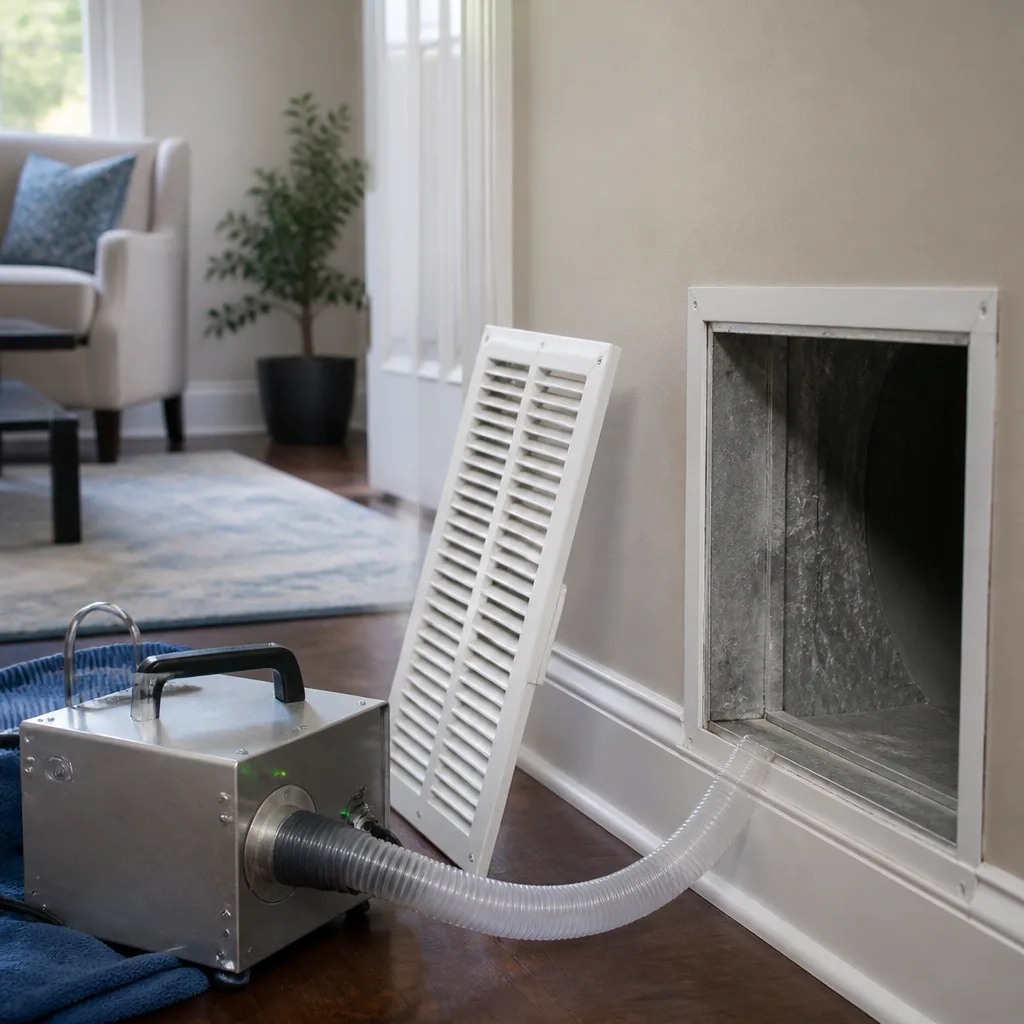 Sanitizing & deodorizing
Whole-system duct and dryer vent check with before-and-after photos - you see exactly what came out of your vents
That "$99 whole-house special" is a bait ad - the real number appears once they are in your hallway, or the "clean" is a shop-vac at the register. We photograph the inside of your ducts before and after instead.
Air Duct Cleaning Troubleshooting in Dilworth: Common Problems and How to Fix Them
If your ducts were cleaned within the last two years and you’re still seeing dust on the vents or feeling uneven airflow, the problem almost certainly isn’t dirt. It’s a system issue that another cleaning won’t correct. Most homeowners in Dilworth assume every air quality complaint points to a dirty duct, and that assumption leads to repeat cleanings that never solve the actual cause. Your ductwork is a pressurized network with specific failure points – leaks, crushed sections, filter bypass at the air handler, moisture in the plenum. This guide walks through how to tell one failure from another, which tests you can run yourself, and when a reading like static pressure tells you more than any walk-through ever could.
Styles & brands we work with
- Whole-home duct cleaning
- Dryer vent cleaning
- Camera inspection
- Sanitizing & deodorizing
Quick Answer
Most persistent duct problems in Dilworth come down to one of four mechanical failures: leakage at joints or the air handler, a collapsed or kinked flex run, filter bypass that lets unfiltered air into the system, or moisture problems in the plenum or drain pan. A duct cleaning only fixes the dirt problem. If you’ve had a cleaning and the symptoms returned, the fix is diagnosis and repair, not a second cleaning. Start with a filter check, a vent-by-vent airflow test, and a look at the air handler cabinet before you call anyone.
Table of Contents
- Is it a dirty duct problem or a pressure problem?
- Airflow tests any homeowner can run
- How to spot a collapsed flex duct section
- Why dust comes back: filter bypass at the air handler
- Musty smell after cleaning: plenum moisture or drain pan?
- What static pressure readings actually tell you
- When cleaning really is the answer
- Dilworth homes and the duct problems we see most
Is It a Dirty Duct Problem or a Pressure Problem in Dilworth?
It’s a pressure problem if the dust comes back within weeks, airflow varies sharply between rooms, or you hear whistling at the vents. It’s a dirt problem if the buildup is even and gradual, the air volume feels consistent, and you can trace a clear source like construction dust or a long stretch without service. Most Dilworth homes we diagnose with repeat dust complaints fall into the pressure category, not the dirt category.
The two problems look similar from the vent, but they behave very differently. Dirt accumulates over months. Pressure problems show up immediately after work is done because the debris isn’t actually the source; the leak is. Here’s how to tell them apart:
- Dust that returns within weeks of a cleaning points to leakage or filter bypass drawing unfiltered air into the system.
- One or two rooms always dustier than others points to a leak or blockage on that specific branch run.
- Whistling or hissing at registers usually means a joint has opened up or a damper is restricting flow.
- Even, gradual buildup across all vents is more consistent with normal dirt accumulation.
- Higher energy bills with no change in habits often accompany a leaking air handler or supply trunk.
What separates the two is the origin of the air, not the volume of the air. A duct that leaks in an unconditioned attic or crawl space pulls outside air into the system. That air carries dust, pollen, and humidity with it. Cleaning removes the debris that’s already inside. It doesn’t stop the leak that keeps refilling it. In Dilworth, where the summers are humid enough that any air infiltration also brings moisture along with it, that distinction matters more than it does in a drier climate.
Airflow Tests Any Homeowner Can Run Before Calling Anyone
You can identify the type of problem in about twenty minutes with a tissue, a phone, and access to your filter slot. These tests won’t diagnose a leak precisely, but they’ll tell you whether airflow is balanced and whether the system is pulling from the right places.
- The tissue test at each return. Hold a single square of toilet paper against each return grille. It should pull firmly and hold. A weak pull means the return side is restricted or the blower is struggling.
- The tissue test at each supply. Hold the tissue about two inches in front of each supply vent. Compare deflection across all rooms. Room-to-room differences greater than roughly a third usually indicate a leak, a kinked run, or a closed damper.
- The filter slot check. Pull the filter and shine a light around its edge. If you can see daylight or a gap wider than an eighth of an inch, the filter isn’t sealing and unfiltered air is bypassing it.
- The door-rattle test. Close all exterior doors and turn on the system. Then crack one interior door. If it swings hard or slams, the return path is undersized and the system is pressurizing the house.
- The attic or crawl space peek. Where accessible, look at the flexible duct runs for sharp bends, crushed sections, or disconnections. You’re not opening the system; you’re just looking.
Write down what you find for each room. That list is the most useful thing you can hand a technician when the system gets looked at. It converts a vague “the air feels off” complaint into a diagnostic starting point. When we send a technician to a Dilworth home, those notes shorten the visit considerably and reduce the chance that anyone recommends a service the system doesn’t actually need. If a room on the west side of the house always shows weak airflow and the rest of the vents are strong, the conversation starts at that branch, not at the cleaning equipment.
How to Spot a Collapsed Flex Duct Section
A collapsed flex duct looks like a dirty duct problem from every vent in the house, but it needs repair, not cleaning. The flex run has folded on itself and the inner liner has pinched shut. No amount of mechanical brushing will reopen it because there’s nothing to clean through; the passage is closed. Spraying sanitizer into a collapsed duct accomplishes nothing because the air can’t carry it past the pinch point.
The typical collapse happens in three places:
- At a sharp 90-degree turn. Flex duct that was pulled tight around a corner over time folds inward at the bend.
- Under a low attic deck or crawl space joist. A run pressed against a structural member slowly flattens.
- Where a run was stretched too far. Overextended flex duct sags and pinches at the sag.
Symptoms that point specifically to a collapse rather than general dirt:
- One room has almost no airflow while others are fine.
- Airflow at that vent improved briefly after a cleaning, then dropped again within days.
- You can feel air escaping at a joint near the vent, but none arrives at the grille.
- The flex run in the attic or crawl space looks flat rather than round when you shine a light on it.
Repairing a collapsed run usually means replacing that section of flex with rigid or semi-rigid duct and resealing the connections. That falls into duct repair and sealing, which is a distinct service from cleaning. A company that only cleans will usually recommend a second cleaning when a collapsed run is the real issue, because cleaning is the only tool they have. Worth asking directly whether the company performs duct repair before you book the cleaning. If the answer is no, ask what happens if they find a collapsed run while they’re inside.
Why Dust Comes Back: Filter Bypass at the Air Handler
Persistent dust after a professional cleaning almost always traces back to filter bypass, not inefficient cleaning. Filter bypass means unfiltered air is getting around the filter rather than through it. The filter is doing its job; the housing around it isn’t doing its job. Air takes the path of least resistance, and a quarter-inch gap at the edge of a filter is far less resistance than a pleated filter media.
The common causes of bypass at the air handler:
- The filter slot is oversized for the filter being used. A standard filter dropped into a slot meant for a thicker one leaves a gap on every edge.
- The filter frame is bent or missing. Sheet-metal frames that hold the filter in place get damaged or removed and never reinstalled.
- The wrong filter is in place. A thin filter in a housing designed for a thicker one will rattle loose and leak air around the edges.
- The return plenum itself leaks. Even if the filter seals perfectly, a gap in the plenum downstream pulls dirty attic or crawl space air into the supply side.
This is why cleaning alone doesn’t solve it. After the ducts are clean, the bypass continues to draw unfiltered air past the filter and deposit fresh dust on every downstream surface. Within weeks, the vents look the way they did before the cleaning, and it looks like the cleaning was ineffective. It wasn’t ineffective – it just treated a symptom. The fix is a properly sized filter, a sealed frame, and a check of the plenum and return connections.
In our experience in Dilworth, filter bypass gets missed on a lot of visits because it’s not visible unless someone actually looks at the filter slot with a light while the system runs. Ask the technician to show you the filter slot during the walk-through. Before-and-after photos of the actual ducts are useful, but a photo of the filter slot with a light behind it tells you whether the filter is really working. HVAC cleaning should always include that check as a basic step.
Musty Smell After Cleaning: Plenum Moisture or Drain Pan?
A musty smell that appears after a cleaning almost always comes from moisture the cleaning didn’t address – either residual wet debris in the plenum or an overflowing drain pan. Cleaning is a dry process done correctly, so a smell that shows up afterward means moisture was already present when the work was done, or the drain pan is backing up. Sanitizing the ducts will mask it for a few days and then the smell returns.
Here’s how to tell which one you’re dealing with:
- Check the drain pan. Look for standing water, a slimy film, or a clogged condensate line. If the pan is holding water or the line is plugged, that’s your smell source and it’s not a duct problem.
- Sniff near the air handler, not just at the vents. A smell that’s strong at the air handler but fading toward the far vents usually means the source is at the plenum or coil area.
- Run the fan on its own (no cooling) for an hour. If the smell intensifies, it’s coming from a wet surface inside the air path, most often the plenum or coil.
- Check for visible staining on the plenum insulation. Dark patches or delamination on interior insulation point to long-term moisture exposure.
A drain pan overflow is an HVAC service issue and needs to be corrected before any duct work is done, because the panel will just get wet again. Plenum moisture is trickier. It can come from condensation on cold surfaces, from a coil that’s not draining properly, or from an unsealed plenum pulling humid attic air into the supply side. In Dilworth’s summer humidity, that last cause shows up more often than people expect. If the plenum is drawing 75%-humidity attic air into the supply airstream, no amount of sanitizing will stop the smell because the moisture source is continuous.
The right sequence for a musty smell is: correct the moisture source, confirm the plenum is dry, then clean and sanitize the ducts. Sanitizing a system that still has an active moisture source accomplishes nothing. Guardsman-grade protective treatments applied as part of a sanitizing service help prevent recolonization once the source is fixed, but they don’t stop a live condensate leak.
What Static Pressure Readings Mean and When to Ask for Them
Static pressure is the resistance the blower is fighting against to move air through your duct system. It’s measured in inches of water column, and it tells you more about the health of the system than any visual inspection can. If somebody is recommending a service and hasn’t measured static pressure, that’s the moment to ask why.
What the numbers mean in general terms:
- Low static pressure usually indicates a leak on the return side or an oversized duct. That’s not a free pass – it means the system is drawing air from places it shouldn’t.
- High static pressure indicates restriction – a filter that’s too dense, a collapsed flex run, an undersized return, or debris blocking the trunk.
- Correct static pressure with uneven room-by-room airflow points to a balancing problem rather than a duct health problem.
Manufacturers publish a maximum rated static pressure for each blower. A technician measuring static pressure should be comparing the reading to that manufacturer specification, not to a generic number. Ask three questions when this comes up:
- What is the reading across the air handler?
- What is the manufacturer’s maximum for this unit?
- Is the difference caused by restriction or by leakage?
A direct answer to all three means the technician is actually diagnosing the system. A vague answer about the ducts being “loaded up” usually means static pressure wasn’t measured at all. The word “loaded” is not a measurement. Ask for a number, and ask whether it’s on the return side, the supply side, or both. If you’ve had a cleaning and the airflow is still off, ask for static pressure to be measured before any further cleaning or sealing is recommended. This is the single most useful thing you can request in the diagnostic conversation – it turns an opinion into a reading.
When Cleaning Really Is the Answer
Cleaning is the right call when visible debris has actually accumulated inside the ducts, and you can point to a source. A home that just went through a renovation, a system that was run with a torn filter for a season, or a property with a documented rodent problem inside the ductwork all fall into that category. Those are legitimate cleaning candidates because there is measurable material to remove. When the ducts are clean and the problem persists, cleaning again isn’t the fix – diagnosing the failure is.
The signs that point to cleaning as the right step:
- Visible debris inside a register opening. Not just a little dust on the diffuser; debris visible inside the duct itself.
- Recent renovation. Drywall dust and construction debris are a real source, and it doesn’t come out on its own.
- Audible debris when the system kicks on. A rattle or rustle from the vents can indicate material moving inside the duct.
- Rodent or pest evidence inside the ducts, verified by a professional. This is a sanitation situation, not just a cleaning situation.
- Long gap since last service and no mechanical symptoms. A simple cleaning scheduled on a normal cycle is appropriate when everything else is functioning.
When we clean a system, we use a mechanical brush-and-vacuum approach with an air duct cleaning process that captures the debris rather than redistributing it. Rotobrush rotary brush systems work through the duct interior to break up bonded material, and Nikro HEPA-rated vacuum equipment holds it at the source. Abatement Technologies HEPA filtration tools add a containment layer during the work, which matters most on the jobs where the load is heaviest. That combination is what separates a real cleaning from a vacuum run through the vents.
What follows cleaning is worth more than the cleaning itself in many cases. Repairing and sealing the joints, the plenum, and the filter slot ensures the system doesn’t refill with the same debris within weeks. A cleaning that isn’t paired with an integrity check of the air pathway is only half the job. Air quality systems like Aprilaire and Honeywell filters and humidifiers, when installed and serviced properly alongside the cleaning, can keep dust levels down between cleanings by improving filtration at the source rather than relying on the ductwork to stay clean once it’s been cleaned.
Dilworth Homes and the Duct Problems We See Most
Dilworth’s housing stock falls into two broad categories that each produce their own duct problems. Older homes often have a mix of rigid metal trunk and retrofitted flex branches. Newer construction leans on longer flex runs and tighter mechanical closets. Both setups are prone to specific failures, and knowing which category your home falls into shortens the diagnosis considerably.
In older Dilworth homes, the most common issues we find:
- Retrofit collapses at corners. When a flex branch was added to an original rigid trunk, the installer often had to make sharp turns to fit. Those bends are the first to fold.
- Undersized returns. Returns sized for the original system often don’t keep up with a modern blower, so the system pressurizes the house and pulls air through leaks in the return path.
- Plenum moisture in humid months. Dilworth summers are long and humid, and older plenum insulation tends to show the effects of it first.
In newer construction, the common issues are different:
- Overextended flex runs. Runs stretched to their limit sag and pinch at the midpoint.
- Filter bypass in tight mechanical closets. Filter housings in compact closets are more likely to have been modified or partially removed to make room for equipment.
- Unsealed plenums in attic installs. Attic plenums are exposed to extreme temperature swings, and the sealant is often the first thing to fail.
The point of knowing which category your home is in is that it changes the diagnosis. If you’re in an older Dilworth home with a retrofit branch, the airflow complaint is likely mechanical. If you’re in a newer one and the dust is back within a month of cleaning, the filter bypass and attic plenum are the first places to look. Both cases benefit from a technician who walks the system, checks the static pressure, and shows you what’s actually in the ducts on camera before recommending anything. A cleaning provider who arrives with a brush and leaves without measuring anything is providing a service, not a diagnosis. The five service categories – duct cleaning, dryer vent cleaning, HVAC cleaning, sanitizing, and duct repair/sealing – exist as separate services because they answer separate problems. When the diagnosis is done correctly, one of them is usually the right call, and the rest are not.
Common Mistakes to Avoid
- Re-cleaning without diagnosing. If the ducts were cleaned within two years and the symptoms are back, the problem isn’t dirt. Cleaning again delays the real fix and costs money without solving anything. Start with a filter check and an airflow test before booking a second cleaning.
- Assuming every airflow complaint is a duct problem. A failing blower, a closed damper you forgot about, or a return register blocked by furniture can all mimic duct symptoms. Rule those out before calling a duct company.
- Ignoring filter bypass because the filter looks clean. A clean filter that doesn’t seal at the edges lets as much debris through as a dirty one. In Dilworth homes with mechanical closets, this is the single most overlooked cause of repeat dust. Look at the slot with a light before assuming the filter is doing its job.
- Sanitizing a system with an active moisture source. If the musty smell is coming from an overflowing drain pan or a wet plenum, sanitizing masks it for a few days and it returns. Correct the moisture first, then sanitize.
- Accepting a cleaning quote that doesn’t include a system check. A cleaning price that doesn’t account for what’s actually inside the ducts is a guess. Ask for a walk-through with the technician before the work starts and before-and-after photos after.
- Assuming a collapsed duct can be cleaned. A pinched or folded flex run has no usable passage to clean. It has to be replaced or rerouted, not brushed. If a company recommends cleaning a collapsed run, that’s a sign the company doesn’t do repair.
- Skipping static pressure when the recommendation feels off. If somebody recommends a service without ever measuring the resistance across the air handler, that’s the moment to ask for the reading. A number answers the question. A description of “how loaded up” the ducts are doesn’t.
When to Call a Professional
Call a professional when the airflow test shows one room far weaker than the rest, when you can see daylight around the filter, when a musty smell won’t clear after correcting obvious moisture, or when the ducts were cleaned recently and the dust is back. Call immediately if you smell gas near the air handler, if the blower is making a scraping sound, or if there’s standing water in the drain pan – those are not duct cleaning problems and need a licensed HVAC technician on site.
Any duct work that involves opening the system beyond the filter slot, reaching into the air handler, or accessing a crawl space or attic should be done by someone trained for it. The air handler and its electrical connections aren’t homeowner territory, and attic duct access carries real risk of falls and injury. Where the ducts themselves are concerned, the walking-the-system diagnostic is what turns a general “clean the ducts” recommendation into a specific fix. If the duct problem in your Dilworth home looks like one of the four failures covered here – leakage, collapse, filter bypass, or moisture – the next step is diagnosis, not a cleaning appointment.
Air Duct Cleaning Dilworth offers free estimates in Dilworth. We’ll walk the system with you, measure static pressure where it’s warranted, and show you before-and-after photos of your own ducts. Call (855) 337-2086. We answer 24/7. Fast dispatch from 7am to 7pm, Sunday through Friday.
Frequently Asked Questions
A full-system cleaning is priced per job based on the number of vents, the layout, and what the system actually needs, and the written estimate sets the final price. We don’t quote per vent and we don’t run teaser pricing. Call (855) 337-2086 for an exact quote – estimates are free.
Cheap quotes usually price only a surface pass over accessible vents, not the full air pathway. Reputable pricing covers the equipment, the containment, and the system check. Call (855) 337-2086 for an honest quote based on what the job actually involves.
Ask for before-and-after photos of your own ducts, taken on the same run, and ask the technician to show you the filter slot and the air handler when the work is done. Any company that won’t photograph the work is telling you something. Call (855) 337-2086 for a walk-through with photos included.
Most homes in Dilworth do fine with cleaning on a multi-year cycle rather than annually, unless there’s a renovation, water intrusion, or pest issue. If you’ve had a cleaning recently and the symptoms are back, the problem is mechanical, not dirt. Call (855) 337-2086 – we’ll help you figure out which it is.
Only if the moisture source is corrected first. A musty smell that appears or persists after cleaning points to a wet plenum or drain pan, and sanitizing the ducts won’t fix a live leak. Call (855) 337-2086 and we’ll help you determine whether the source is drainage, plenum condensation, or duct debris.
Because the source wasn’t dirt. Filter bypass at the air handler, an unsealed return plenum, or a collapsed supply run can refill the vents with debris within weeks of a cleaning. Getting static pressure measured and air-pathway leaks sealed is the fix. Call (855) 337-2086 for a diagnostic estimate.
The Bottom Line
Most duct problems that persist after a cleaning are one of four mechanical failures: leakage, a collapsed flex run, filter bypass, or moisture in the plenum or drain pan. Treating any of them with another cleaning wastes money and time. The right sequence is diagnosis first, repair where needed, and cleaning only when actual debris is the source. Static pressure readings and simple airflow tests tell you more than a visual scan of the vents, and asking a technician to measure before recommending is the single most useful thing a Dilworth homeowner can do. If the fix turns out to be a repair, seal, or full air-pathway cleaning, do it once and do it right.
If you’re not sure which of the four problems you’re looking at, we’ll help you sort it out. Call (855) 337-2086. We answer 24/7. Fast dispatch from 7am to 7pm, Sunday through Friday.
Written by the team at Air Duct Cleaning Dilworth.
See the difference
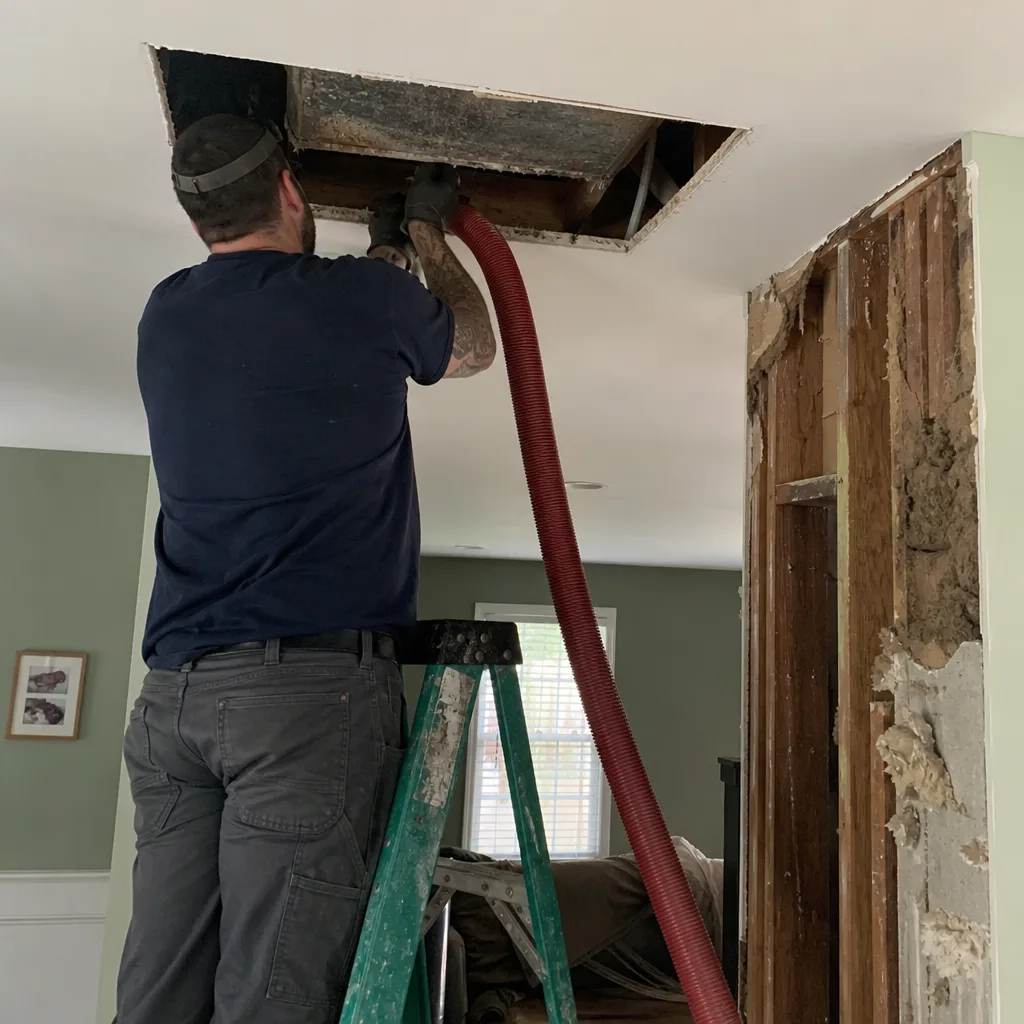 Before
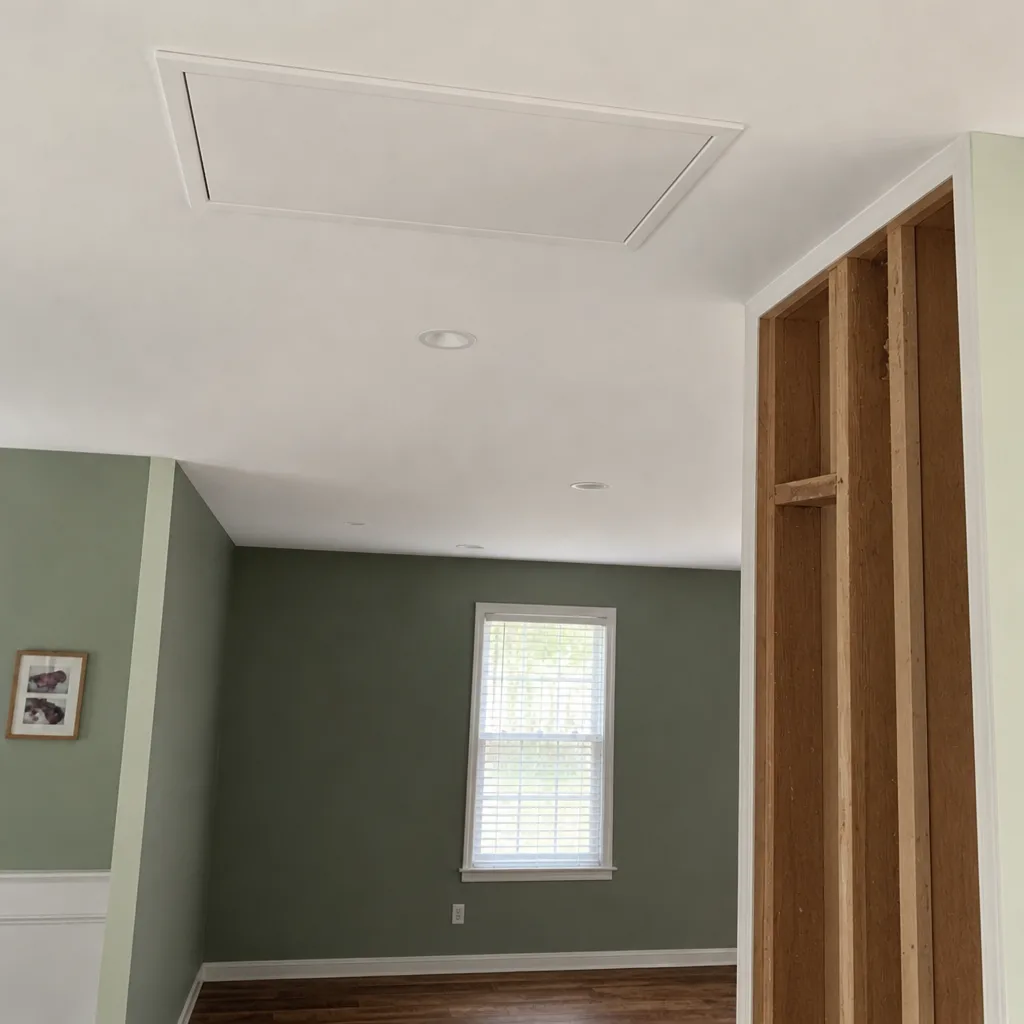 After
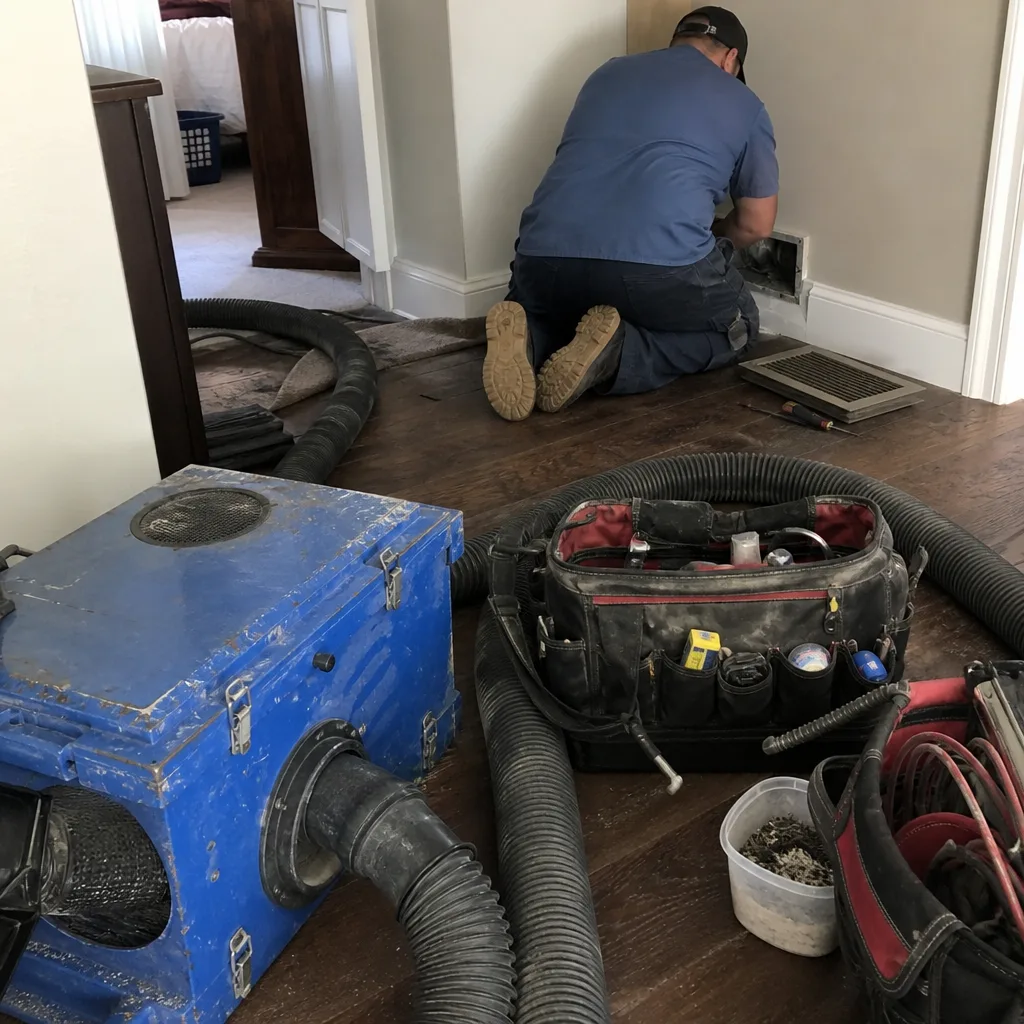 Before
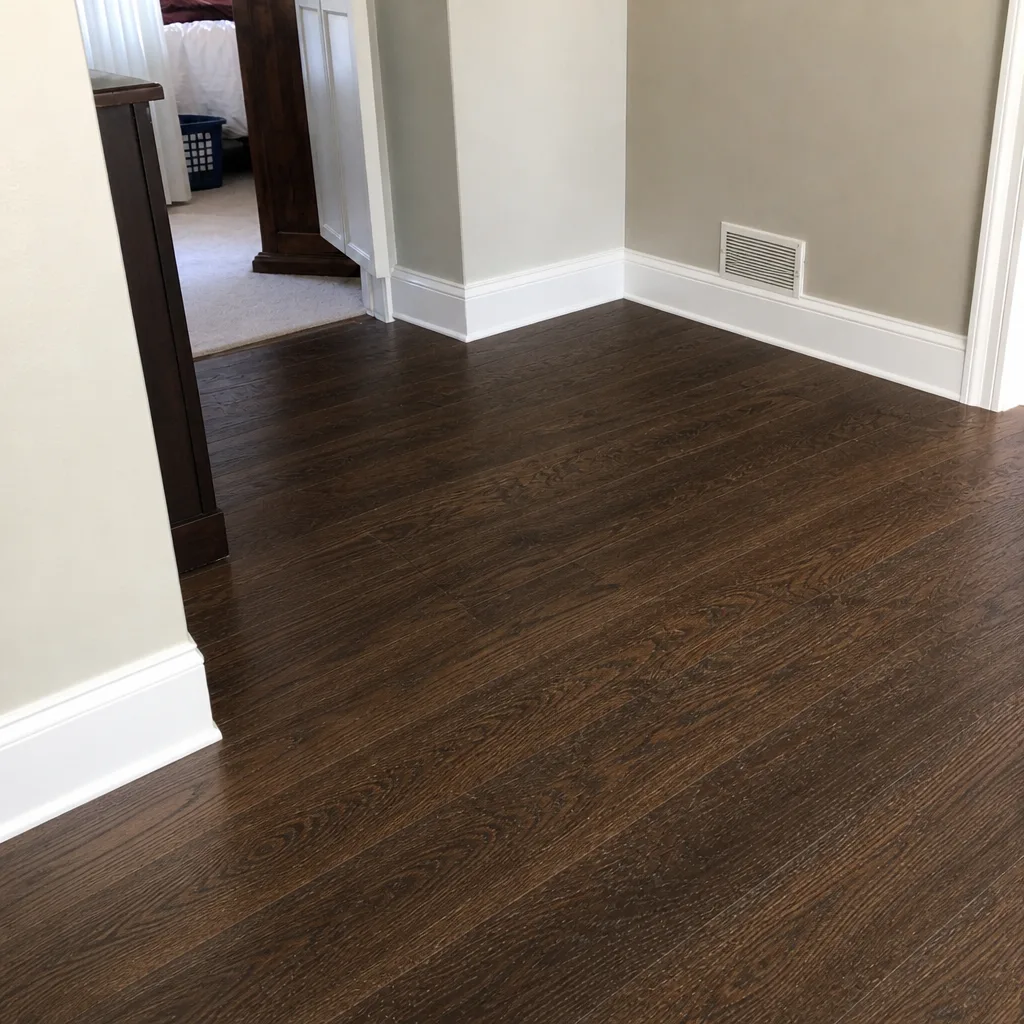 After
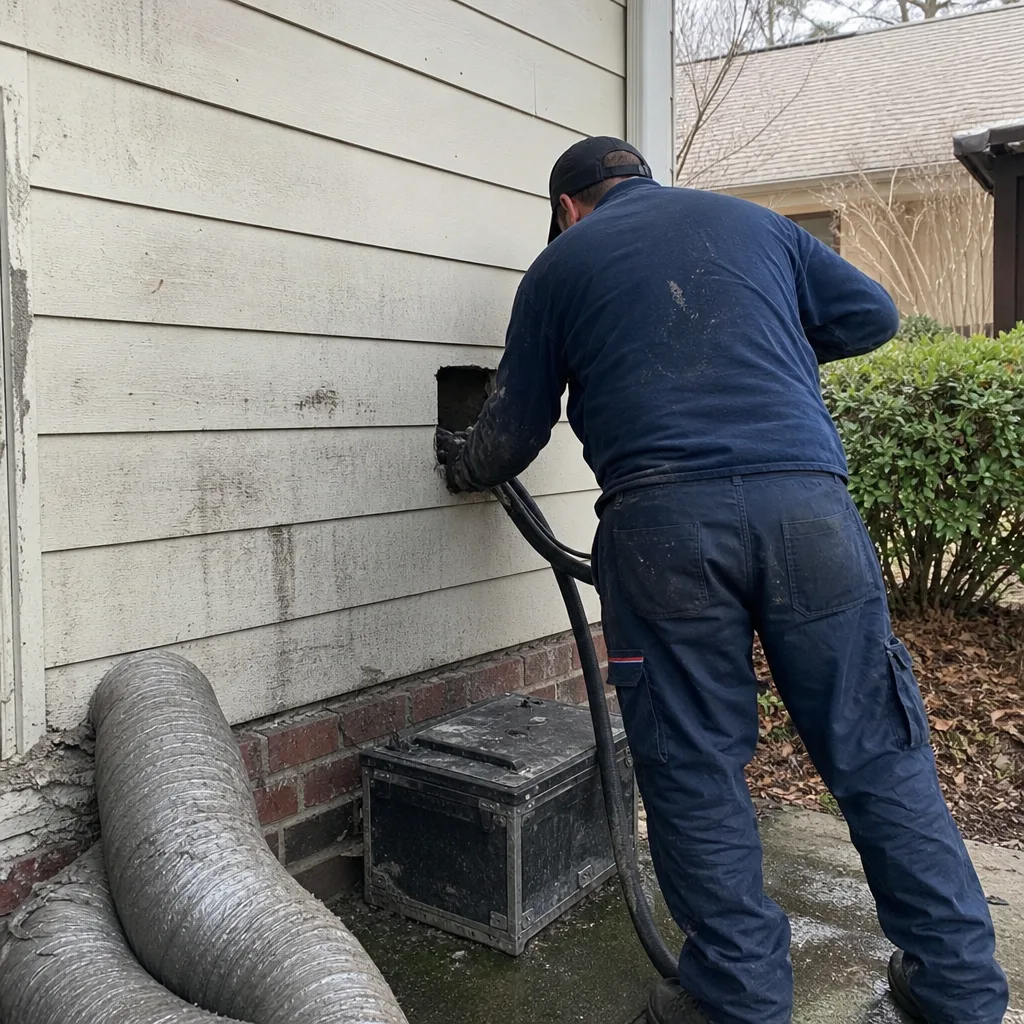 Before
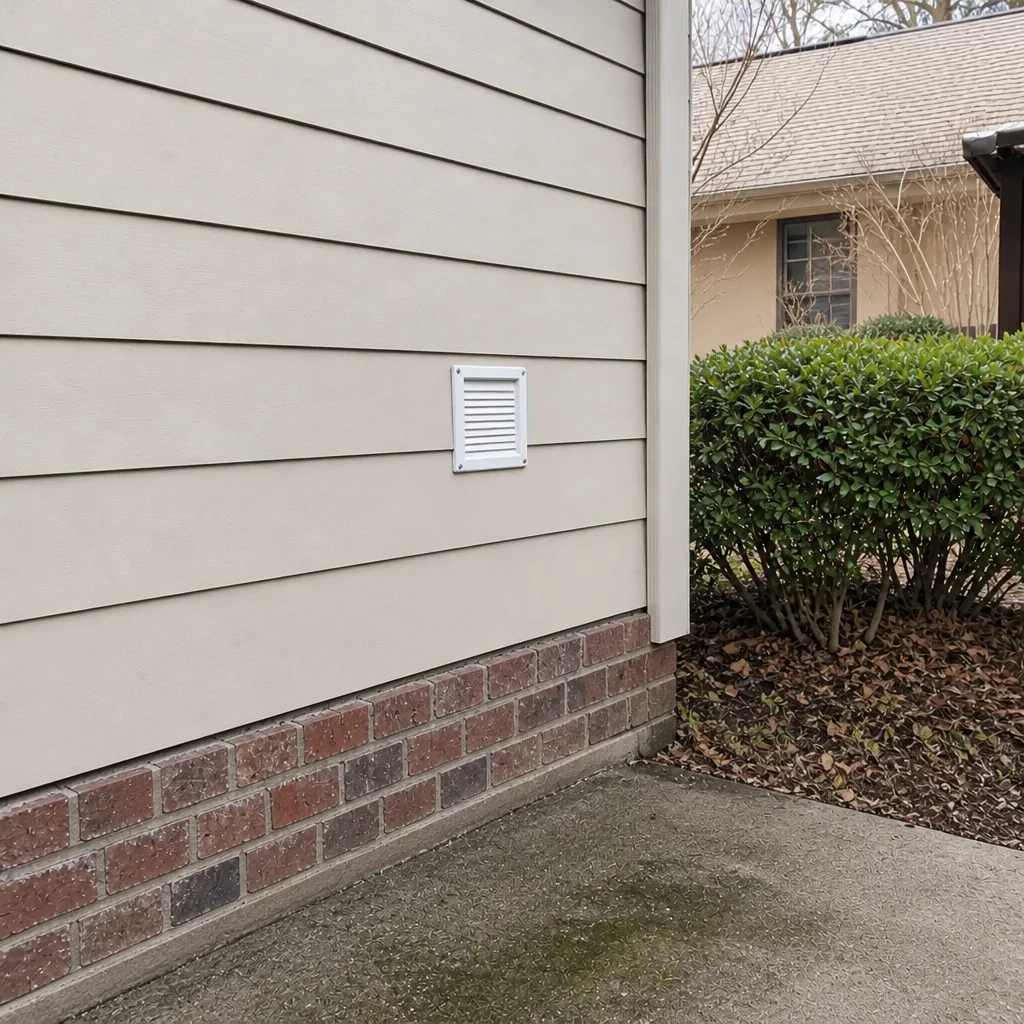 After