
Last updated November 25, 2026
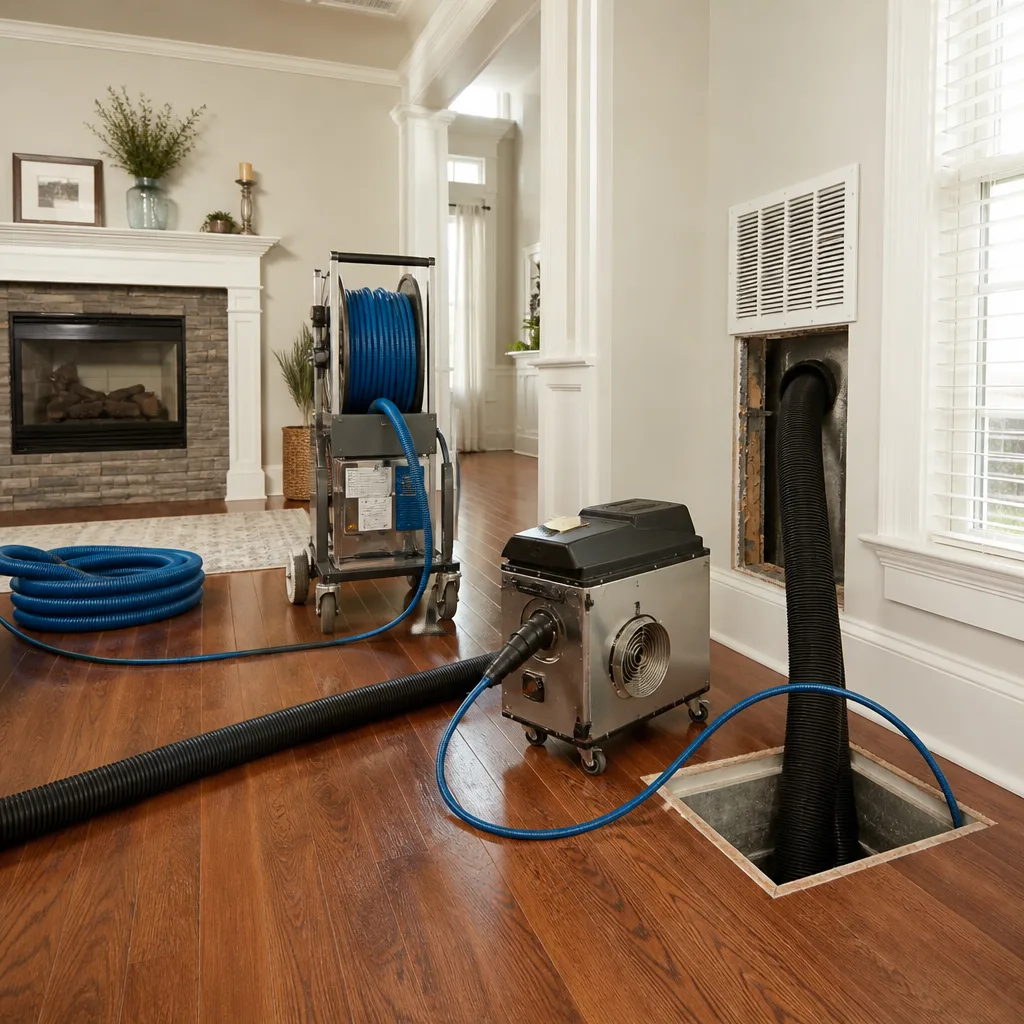 Whole-home duct cleaning
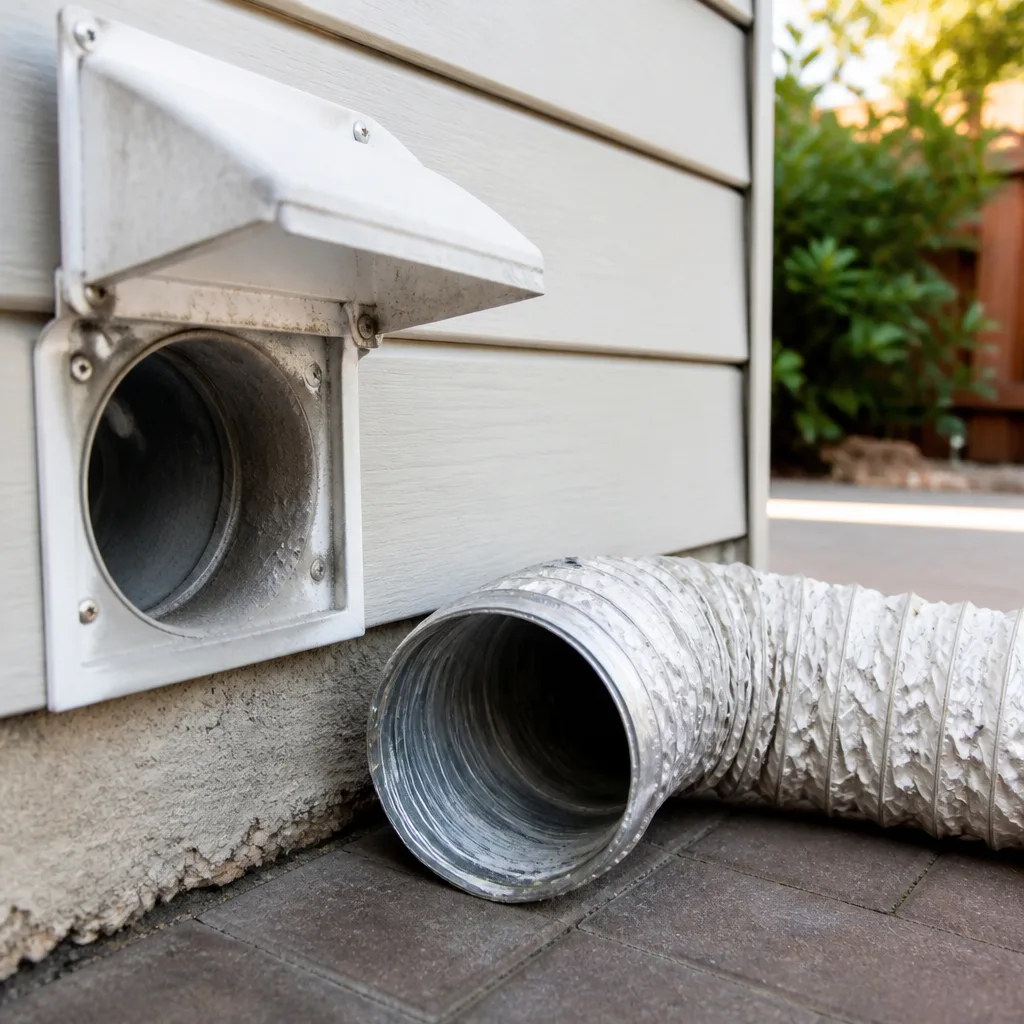 Dryer vent cleaning
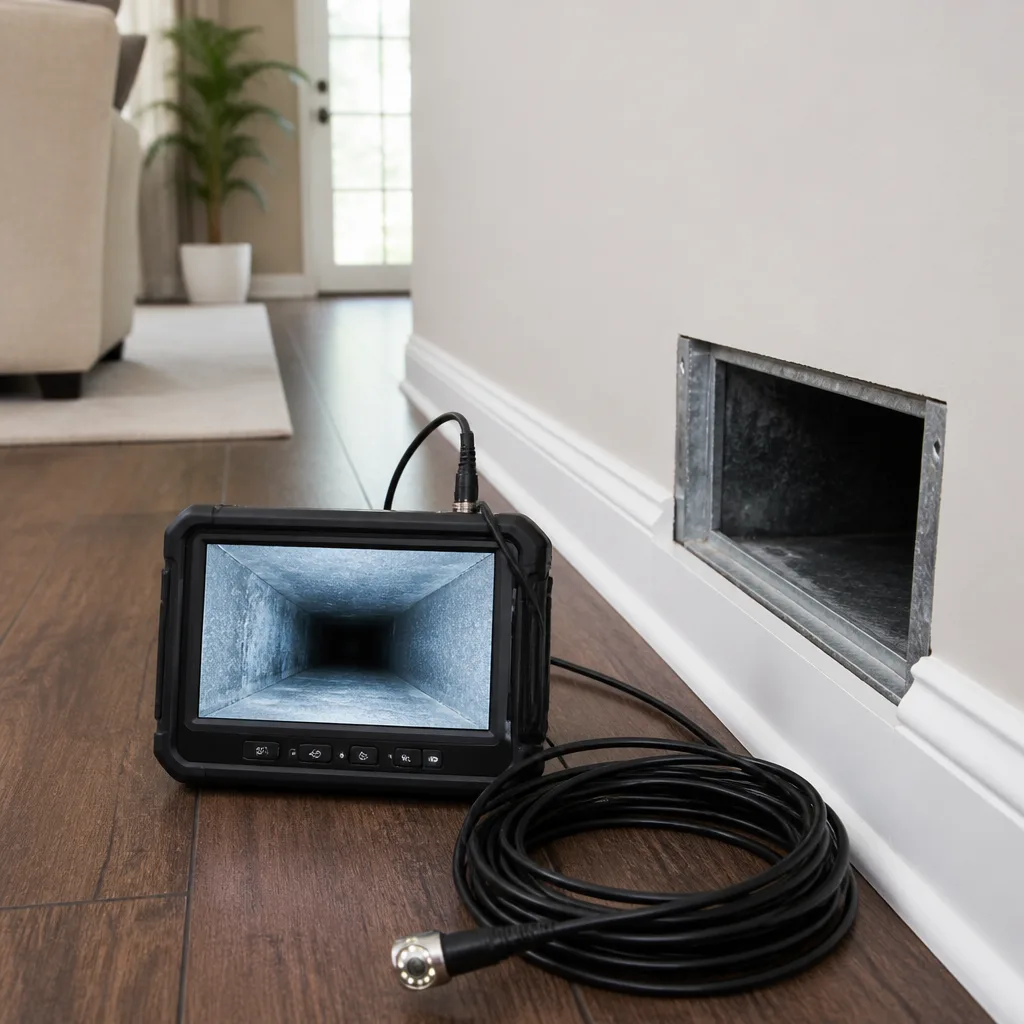 Camera inspection
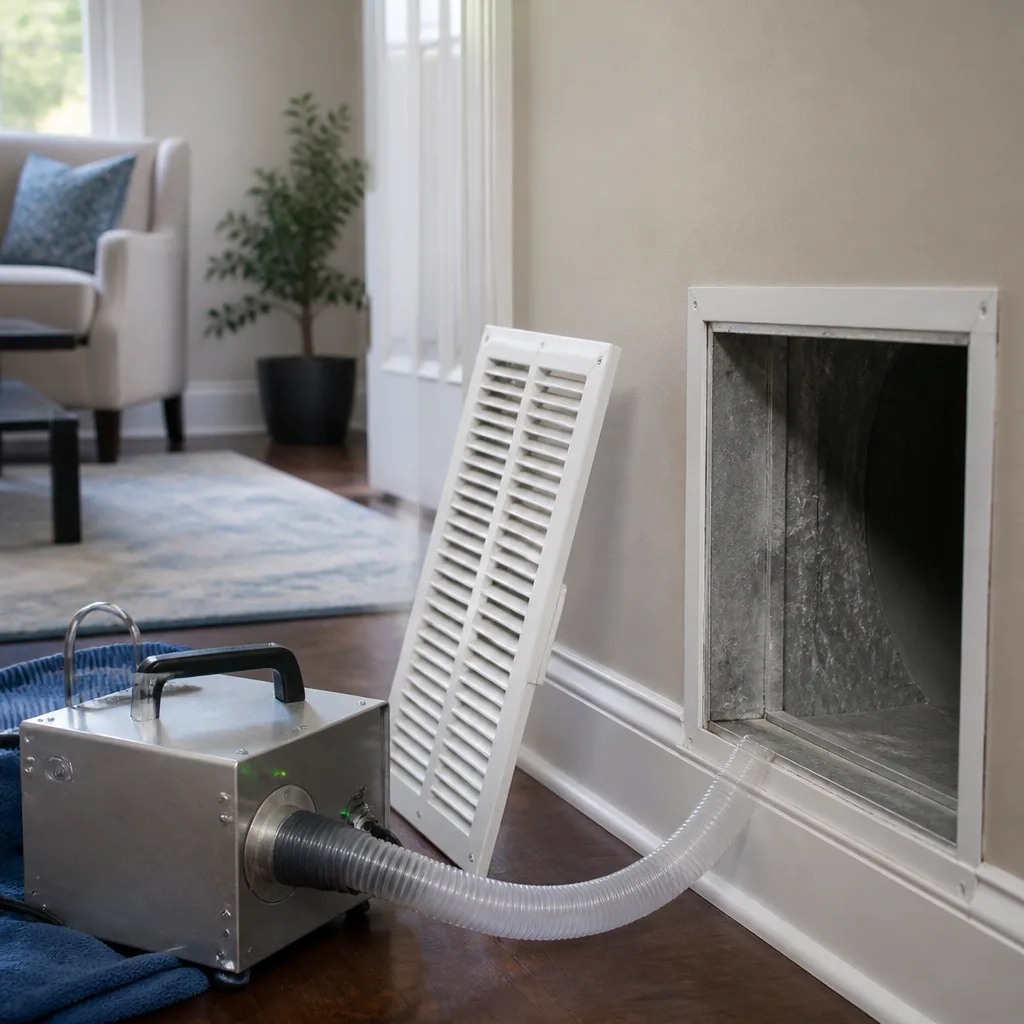 Sanitizing & deodorizing
Whole-system duct and dryer vent check with before-and-after photos - you see exactly what came out of your vents
That "$99 whole-house special" is a bait ad - the real number appears once they are in your hallway, or the "clean" is a shop-vac at the register. We photograph the inside of your ducts before and after instead.
Air Duct Cleaning Permits, Codes & Inspections in Dilworth, NC: What You Need to Know
Most people assume the answer to “do I need a permit for air duct cleaning?” is a flat no. That’s half right. Cleaning the inside of your ducts is maintenance, and maintenance doesn’t require a permit. But the moment a contractor cuts open a duct, patches a collapsed section, replaces a run, or reseals your plenum, the job crosses a line into HVAC modification, and that’s when the North Carolina Mechanical Code and Mecklenburg County permitting enter the picture. A contractor who seals a leaky plenum without a permit isn’t saving you paperwork. They’re leaving you with an unpermitted modification that can surface at resale, in a home inspection, or in a homeowner’s insurance review. This guide walks you through where that line sits in Dilworth, what to ask before work starts, and how to verify a permit was pulled.
Quick Answer
Air duct cleaning by itself generally does not require a permit in North Carolina because it’s classified as maintenance. Duct repair, replacement, or modification of the duct system, such as cutting in a new run, replacing a section, or sealing a plenum, usually does require a mechanical permit through Mecklenburg County before work begins. If you’re unsure whether your project crosses that threshold, call the county code office and ask before anyone touches the system.
Styles & brands we work with
- Whole-home duct cleaning
- Dryer vent cleaning
- Camera inspection
- Sanitizing & deodorizing
Table of Contents
- Where the line sits: cleaning versus modification
- What the NC Mechanical Code says about duct work
- How the Mecklenburg County permit process works
- Duct sealing with Aeroseal or mastic: does it need a permit?
- How to verify a contractor pulled a permit
- How unpermitted work affects resale and inspections in Dilworth
- What to ask the city or county before work starts
- Common mistakes and when to call a professional
Where the line sits: cleaning versus modification
Picture two jobs side by side. In the first, a technician runs a rotary brush through the existing duct trunk and branches, vacuums the debris out, and leaves the duct system exactly as it was built. In the second, a technician cuts out a crushed section of flex duct, replaces it, tapes and mastic-seals the new joints, and reconnects the register boot. The first is cleaning. The second is repair, and repair touches the mechanical system in a way that requires a permit in most North Carolina jurisdictions.
That distinction matters in Dilworth because the housing stock is a mix of 1920s bungalows, mid-century ranches, and newer infill construction along the edges of the neighborhood. Older homes often have original sheet metal ductwork with failing joints, and newer homes often have flex runs in tight attic spaces that sag or crush over time. When a walk-through turns up damaged duct, the conversation shifts from cleaning to modification, and that’s the moment to check the permit question.
Here’s the working rule we use:
- No permit typically needed: cleaning the interior of existing ducts, removing debris, sanitizing the system, cleaning the blower and coil as part of routine HVAC maintenance.
- Permit usually needed: replacing a duct run, adding a new supply or return, cutting into a trunk line, modifying the plenum, changing the size of a duct.
- Case-by-case: sealing existing joints with mastic or applying a spray sealant to an intact duct system, which depends on scope and how the county interprets the work.
If you want a clean starting point on what full-system cleaning involves, our air duct cleaning page walks through the equipment and process step by step.
What the NC Mechanical Code says about duct work
The North Carolina Mechanical Code governs the design, installation, and alteration of mechanical systems in the state, including duct systems. The code is built on the International Mechanical Code with North Carolina amendments, and it treats duct modification the same way it treats any other alteration to a permitted system. If a contractor installs, replaces, or substantially modifies ductwork, that work needs to comply with the code, and in most cases the code compliance is verified through the permit and inspection process.
A few sections come up repeatedly on duct jobs:
- Duct construction and material standards: the code specifies minimum material, sealing, and support requirements for ducts. A patched-in section of duct has to meet those standards, not just fit.
- Duct sealing requirements: joints, seams, and connections are required to be sealed. This is one reason duct repair and sealing often gets folded into a permit, because the seal has to be inspected.
- Clearances to combustibles: ducts passing near a furnace, water heater flue, or other heat source must maintain the clearance the code requires. A repair that shifts a duct closer than allowed is a code violation whether or not a permit was pulled.
- Return and supply sizing: if you’re adding or enlarging a run, the sizing has to keep the system balanced. An undersized return is a common cause of pressure problems after a duct modification.
We handle HVAC cleaning and duct work under a full-system scope, and we’ve seen enough duct jobs to know the code language reads dry but matters in plain terms. A tech who doesn’t respect the clearance rule, or who tapes a joint instead of mastic-sealing it, leaves a system that circulates conditioned air through a duct that isn’t sealed to code. That shows up as higher energy bills, dust in the house, and a note from an inspector down the road.
How the Mecklenburg County permit process works
Mecklenburg County issues mechanical permits through its code enforcement department, and the process for a residential duct job follows a predictable shape. You or your contractor submits a permit application, pays a permit fee, has the work performed, and then schedules an inspection. The inspector verifies the work meets code, and the permit is closed out. In a residential setting, the permit and the final inspection record become part of the property’s permit history, which is searchable through the county’s online permit portal.
Here’s the typical sequence for a duct repair or replacement that crosses the permit threshold:
- The scope is defined in writing. What’s being replaced, added, sealed, or modified, and why. A vague scope is the easiest way for a job to slip past permitting.
- The contractor pulls the permit. In North Carolina, the licensed contractor performing the work typically pulls the permit. Ask for the permit number in writing before work begins.
- The work is performed to code. Material, sealing, support, and clearance all have to meet the NC Mechanical Code standard.
- The inspection is scheduled. The county inspector reviews the work. If it fails, corrections are made and reinspection is scheduled.
- The permit is closed. The closed permit is your documentation that the work was done to code, and it matters at resale.
The permit portal also lets you look up whether a permit exists on a property or a contractor’s license. We tell Dilworth homeowners to check the portal before work begins, not after. It takes a few minutes and it verifies the contractor actually pulled a permit rather than promising to.
Duct sealing with Aeroseal or mastic: does it need a permit?
Sealing existing duct joints from the inside or the outside sits in a gray zone. Brushing mastic onto accessible joints at a plenum or a register boot is generally treated as maintenance. Injecting a spray sealant like Aeroseal into an intact duct system, which coats the interior of the ducts to close small leaks without cutting in, is often treated the same way when the duct layout isn’t changed. The permit question comes up when sealing accompanies a repair, because a contractor who replaces a duct section and then seals it has performed a modification, and the modification is what triggers the permit.
Our position is simple: if the sealing job doesn’t cut, replace, or resize any duct, we treat it as a maintenance scope. If it does, we flag the permit question before we start. The homeowner should never learn after the fact that the job needed a permit. That’s why our process includes a written scope up front and a walk-through of the duct system before any work begins, so the homeowner knows exactly what’s being sealed and why.
Mastic sealing is the more common path in Dilworth because many older homes have accessible sheet metal joints at the plenum and trunk. Aeroseal-style interior sealing is more often used when the ducts are mostly hidden in walls or soffits and access is limited. Both have a place, and both can improve air quality when they’re done alongside cleaning. Our dryer vent cleaning service follows the same principle – inspect the full pathway first, then clean, then verify, rather than going straight to a quick pass.
How to verify a contractor pulled a permit
Verifying a permit takes three things: the permit number, the contractor’s license, and the county portal. North Carolina requires mechanical contractors to hold a state mechanical license, and that license number can be looked up through the state licensing board. Mecklenburg County’s permit portal shows open and closed permits by address. Between the two, a homeowner can confirm that the contractor is licensed and that a permit exists on their property before the work begins.
Here’s the checklist we hand homeowners before a job that crosses the permit threshold:
- Ask for the license number in writing. A licensed mechanical contractor in North Carolina can provide it. If they can’t, that’s a warning sign.
- Ask for the permit number before work starts. The permit should name the address and the contractor.
- Look up the permit in the Mecklenburg County portal. Confirm it’s open and matches the scope of work.
- Ask who schedules the inspection. The contractor should handle the inspection scheduling as part of the job.
- Get the closed permit in your records. After the final inspection, keep the closed permit with your home documents.
Our technicians have up to 9 years of experience with residential and light-commercial duct work, and we’ve learned that the permit conversation is easier when it happens before the job, not after. We’ll tell you up front whether the scope crosses the line.
How unpermitted work affects resale and inspections in Dilworth
Dilworth is a resale-sensitive neighborhood. Buyers who move into the historic district and the surrounding streets tend to hire thorough inspectors, and those inspectors look at the HVAC system. An unpermitted duct modification shows up in a few ways: an open permit that hasn’t been closed out, duct work that doesn’t match what’s documented on the permit, or duct material and sealing that doesn’t meet the NC Mechanical Code. Any of those can turn into a negotiation point or a repair request during due diligence.
The other consequence is insurance. Most homeowner policies cover the home as built, and unpermitted work that causes a loss can complicate a claim. We tell homeowners it’s less about the inspector’s report and more about knowing the system in your house is documented. A closed permit is a record. An unofficial patch is a question mark.
Dilworth’s older homes make this more likely to matter. Original sheet metal ductwork frequently has failing joints and crushed trunk sections, and it’s exactly those spots a contractor is tempted to patch without a permit. The five minutes it takes to check whether a permit applies are worth more than the shortcut.
What to ask the city or county before work starts
If you’re not sure whether your project crosses the permit line, call Mecklenburg County code enforcement and ask. The county staff are used to questions like these, and a two-minute call can save a resale headache later. Come prepared with a plain-language description of the work and the address, and ask whether a mechanical permit is required.
Here’s what to ask:
- Does replacing a section of existing duct require a mechanical permit?
- Does sealing accessible joints at the plenum require a permit?
- Does adding a new supply or return register require a permit?
- Does changing the duct size or rerouting a run require a permit?
- What inspection steps are required, and who schedules them?
- Is there a permit history on this address I should be aware of?
If you’d rather not make the call yourself, ask the contractor to make it. A contractor who’s used to duct work in Mecklenburg County knows the answer and can tell you in plain terms whether a permit applies. We make that call for homeowners whenever a scope is unclear. It’s part of operating a full air-pathway service, not just a cleaning pass.
Common mistakes to avoid
- Assuming cleaning and repair fall under the same rule. Cleaning is maintenance; repair is modification. Treat them separately when you’re deciding whether a permit applies.
- Letting a contractor “just patch it” without a scope in writing. A verbal patch is the most common way an unpermitted duct modification happens. Get the scope in writing before anyone opens the duct.
- Confusing a license with a permit. A licensed contractor can still fail to pull the permit for a job. Verify both.
- Skipping the permit look-up at resale. Dilworth buyers and inspectors check permit history. An open or missing permit can cost you at the closing table.
- Assuming sealing is always exempt. Sealing existing joints is usually fine. Sealing after a repair is a modification and usually needs a permit.
- Waiting until work is done to ask about inspections. The inspection is part of the job and should be scheduled by the contractor before work starts.
- Hiring a low-bid contractor who won’t put anything in writing. The job is only as documented as the paperwork. A written scope and a permit number are your leverage.
See the difference
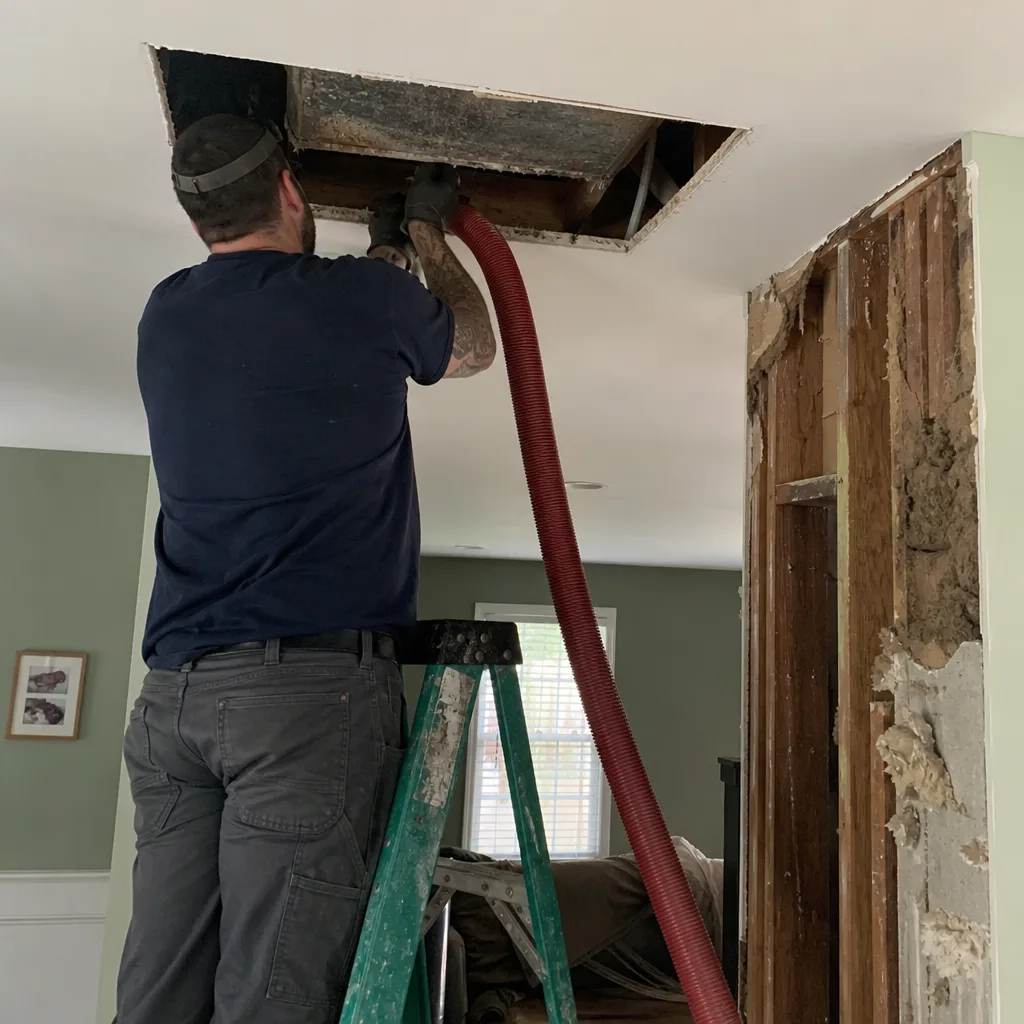 Before
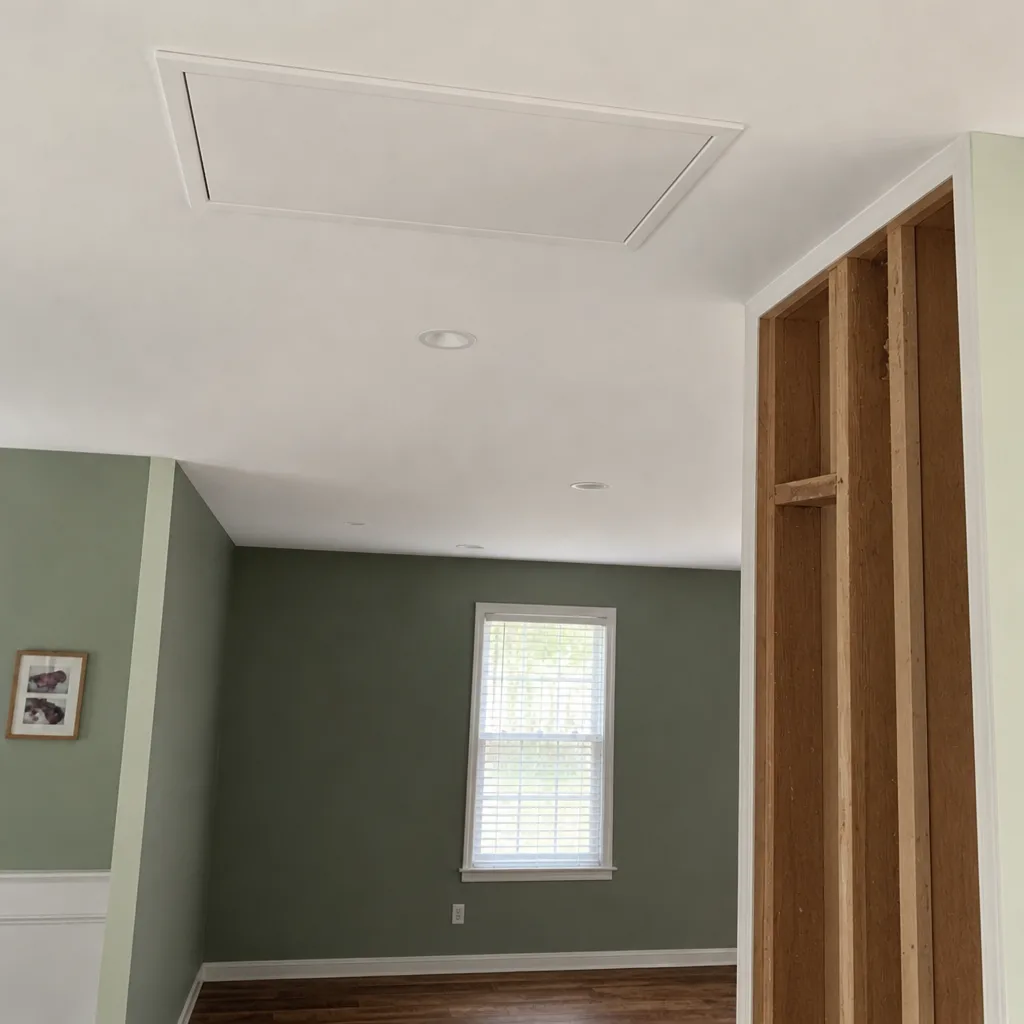 After
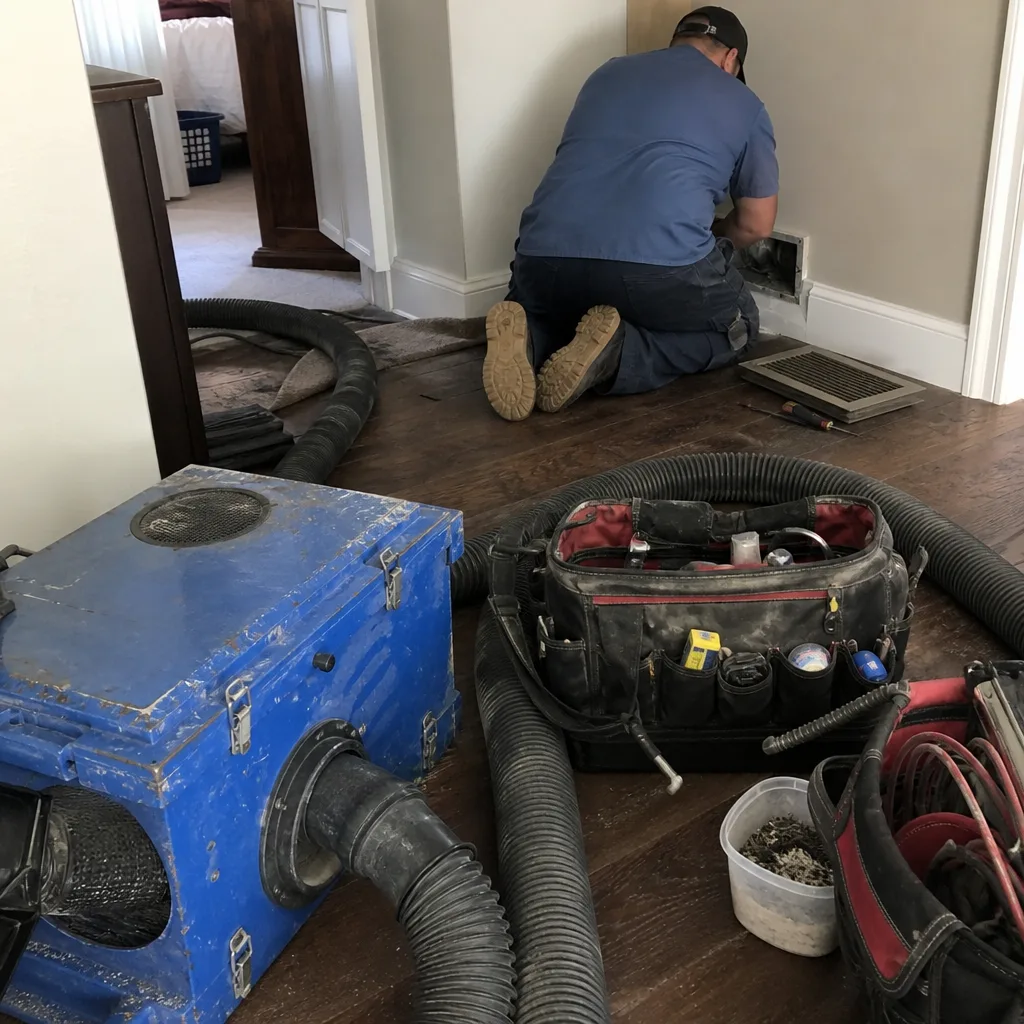 Before
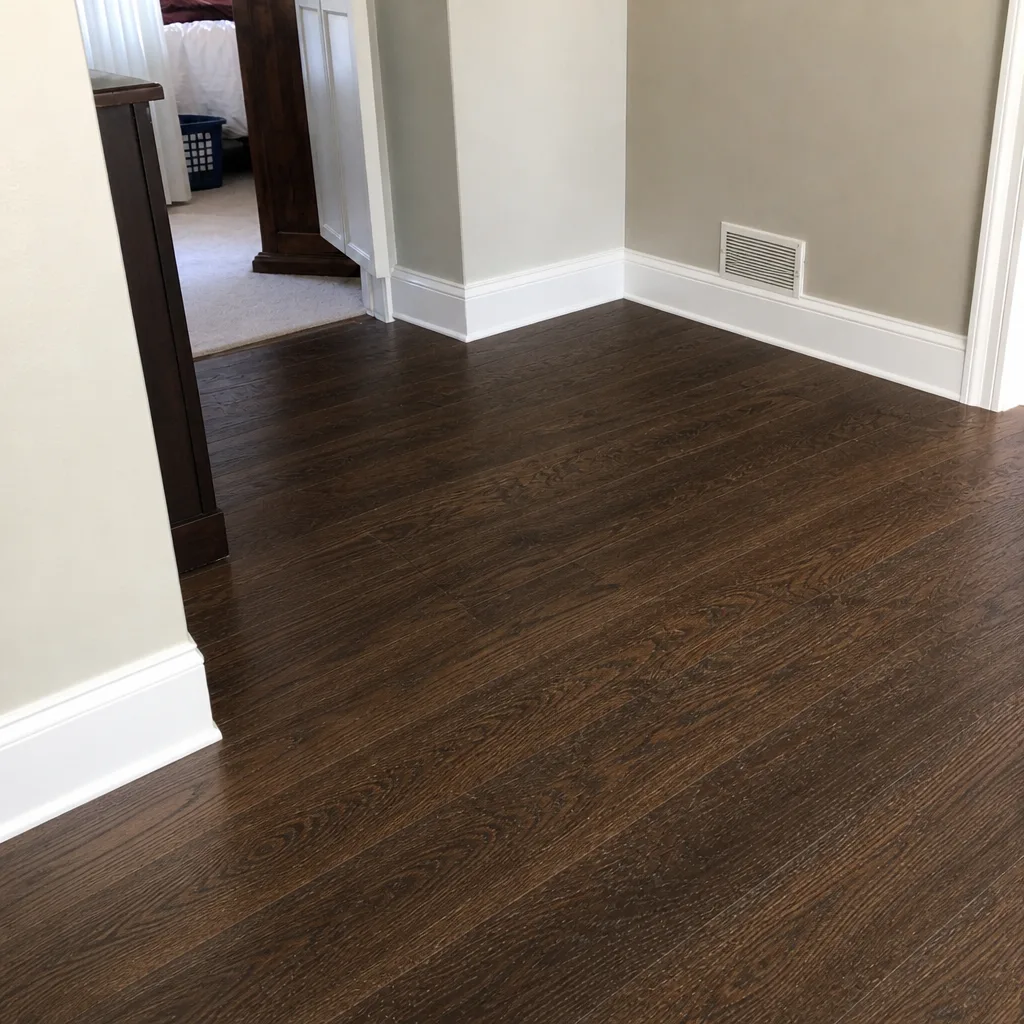 After
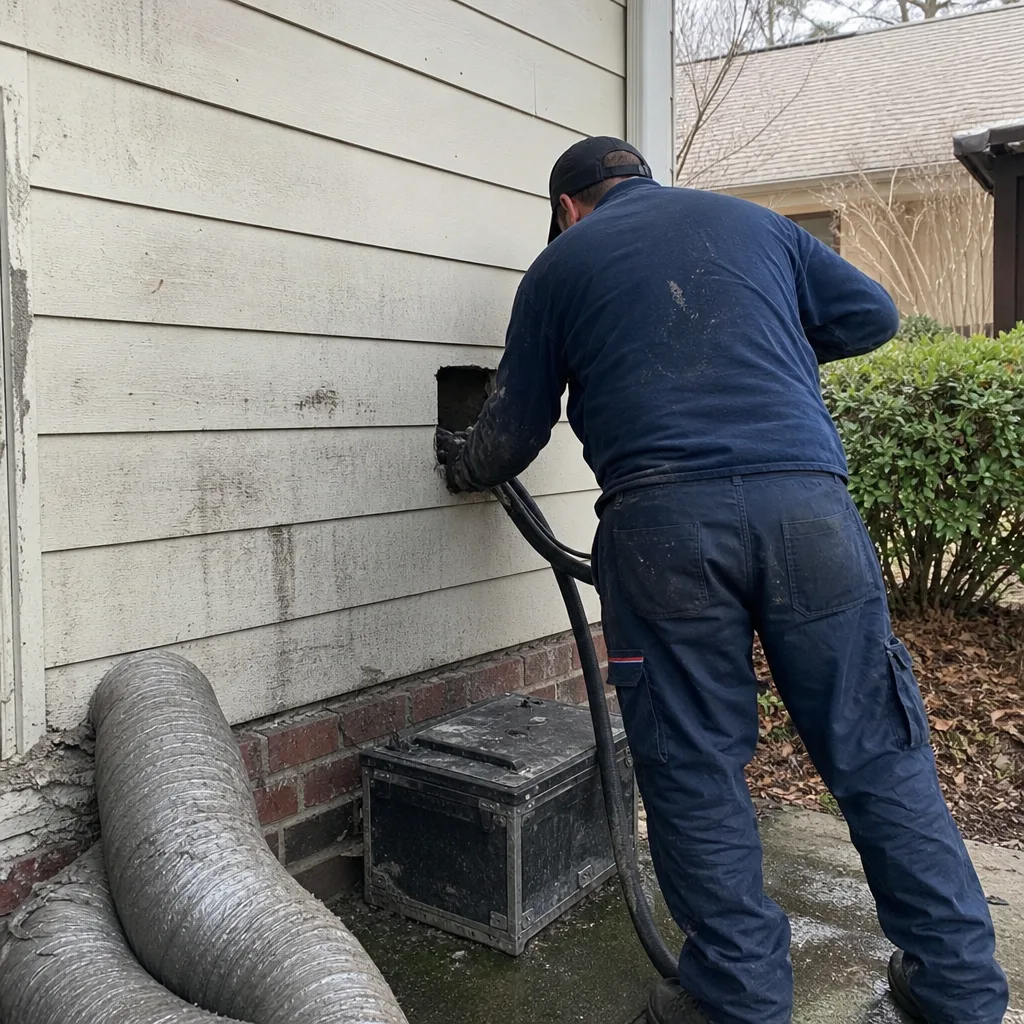 Before
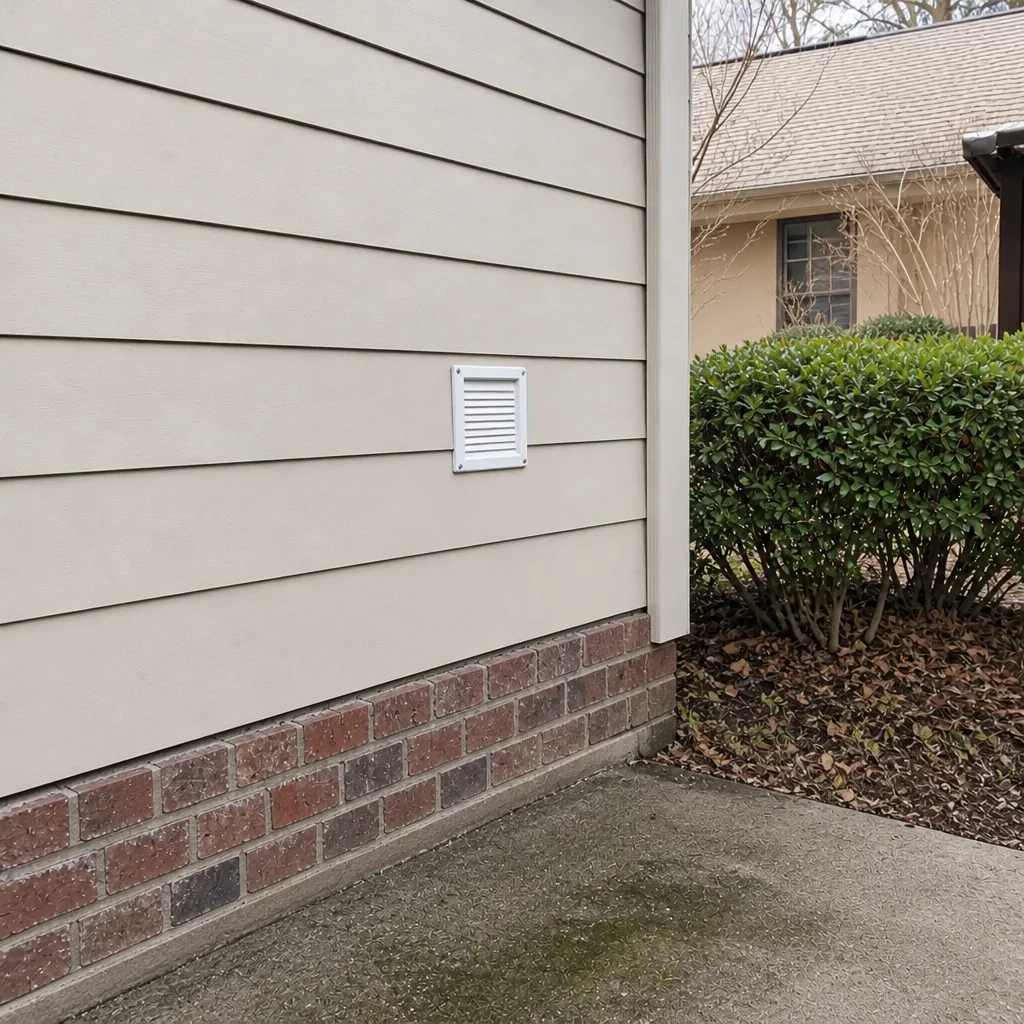 After
When to Call a Professional
If your ducts have visible damage, crushed flex runs, disconnected joints, sagging trunk lines, or debris blowing out of the registers, a cleaning alone won’t fix it. That’s repair territory, and it’s where the permit question usually comes up. The same is true if you’ve had a recent renovation and the duct system was exposed, or if you’re noticing uneven airflow between rooms. A technician can tell you whether the scope is maintenance, repair, or modification, and what the county requires. Air Duct Cleaning Dilworth offers free estimates in Dilworth – call (855) 337-2086. We answer 24/7. Fast dispatch from 7am to 7pm, Sunday through Friday.
Frequently Asked Questions
No. Air duct cleaning by itself is treated as maintenance in North Carolina and doesn’t require a mechanical permit. If the work extends to duct repair, replacement, or modification of the duct system, a permit through Mecklenburg County is typically required before work begins. Call (855) 337-2086 for an exact quote – estimates are free.
Duct cleaning removes debris from existing ducts without changing how the system is built. Duct modification changes the system: replacing a run, adding a register, cutting into a trunk, or resealing a plenum after a repair. Cleaning is usually permit-exempt; modification usually isn’t.
It depends on scope. Sealing accessible joints on an intact system is generally treated as maintenance. When sealing accompanies a duct repair or replacement, the job is a modification and generally needs a permit. Ask the county before work starts if you’re unsure. Call (855) 337-2086 for a free estimate on the sealing scope itself.
Ask for the permit number in writing before work starts, then look it up in the Mecklenburg County permit portal. Confirm the contractor’s name and the work scope match. The North Carolina licensing board also lets you look up the contractor’s mechanical license. Both checks take a few minutes.
Sometimes, yes. Inspectors in a resale-sensitive neighborhood like Dilworth check the HVAC system and the permit history, and an open or missing permit can become a negotiation point. Unpermitted work can also complicate a homeowner’s insurance claim. A closed permit is the cleanest record.
No. Under the NC Mechanical Code, the trigger isn’t the size of the repair, it’s whether the work modifies the duct system. A small replacement is still a modification and should be permitted if the county requires it. Call (855) 337-2086 for a scope review – estimates are free.
The Bottom Line
Cleaning your air ducts doesn’t need a permit in Dilworth, but repairing or modifying them usually does. That’s the whole guide in one line. Before any duct work starts, get the scope in writing, ask whether a Mecklenburg County mechanical permit applies, verify the permit number and the contractor’s license, and keep the closed permit in your home records. The difference between a maintenance job and an unpermitted modification is mostly paperwork, and the paperwork is what protects you at resale and with your insurer. Air Duct Cleaning Dilworth is here to walk you through that boundary before work begins.
Have a duct scope you’re not sure about? Call (855) 337-2086 for a free estimate. We answer 24/7. Fast dispatch from 7am to 7pm, Sunday through Friday. Our technicians have up to 9 years of experience and use professional-grade Rotobrush and Nikro equipment, so you can see exactly what’s inside your ducts before and after the work.
Written by the team at Air Duct Cleaning Dilworth.