
Last updated November 25, 2026
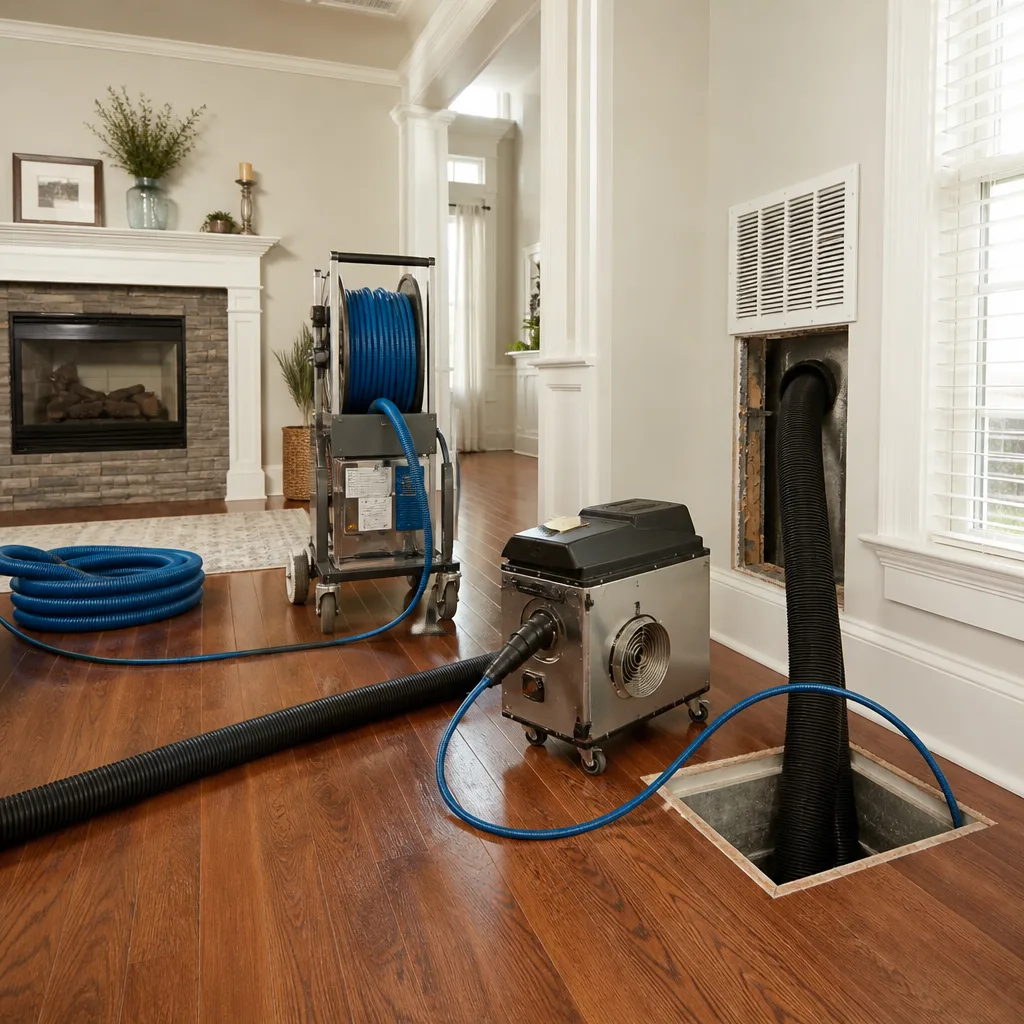 Whole-home duct cleaning
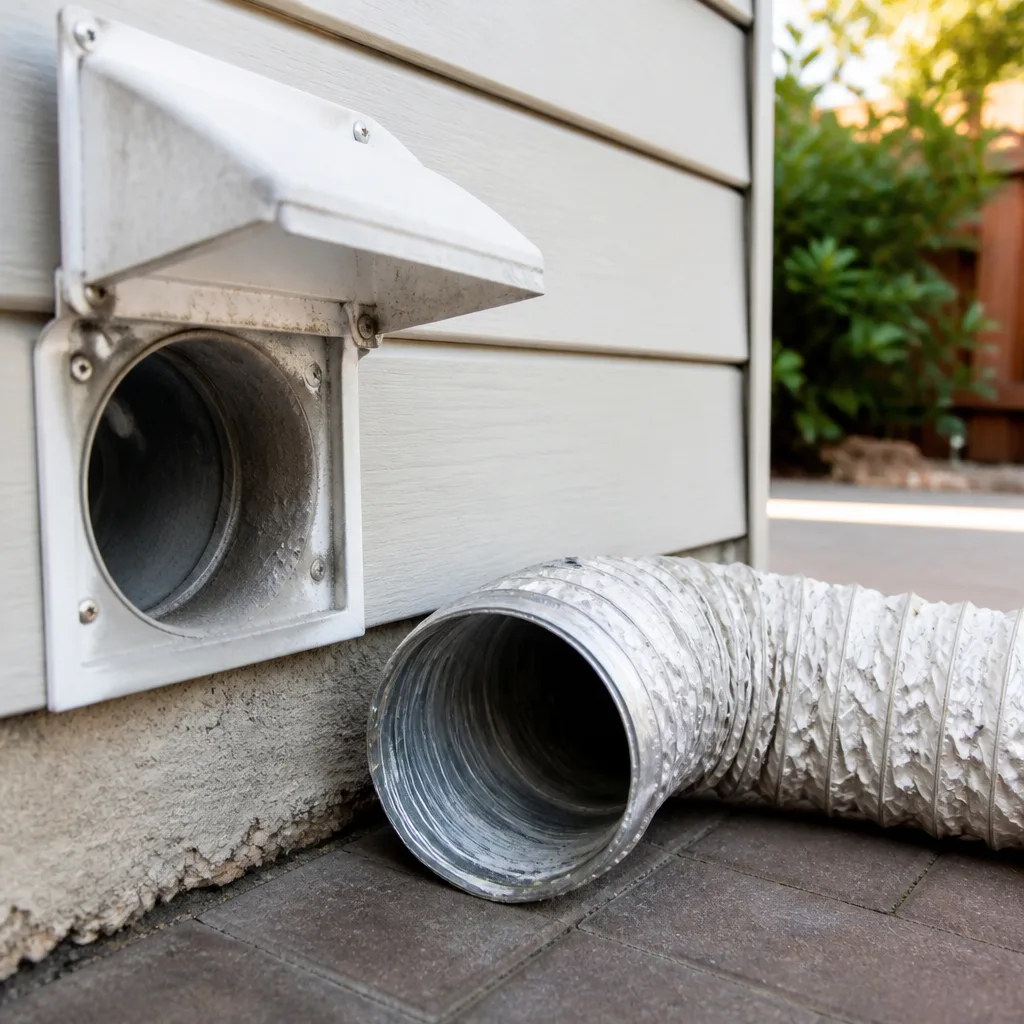 Dryer vent cleaning
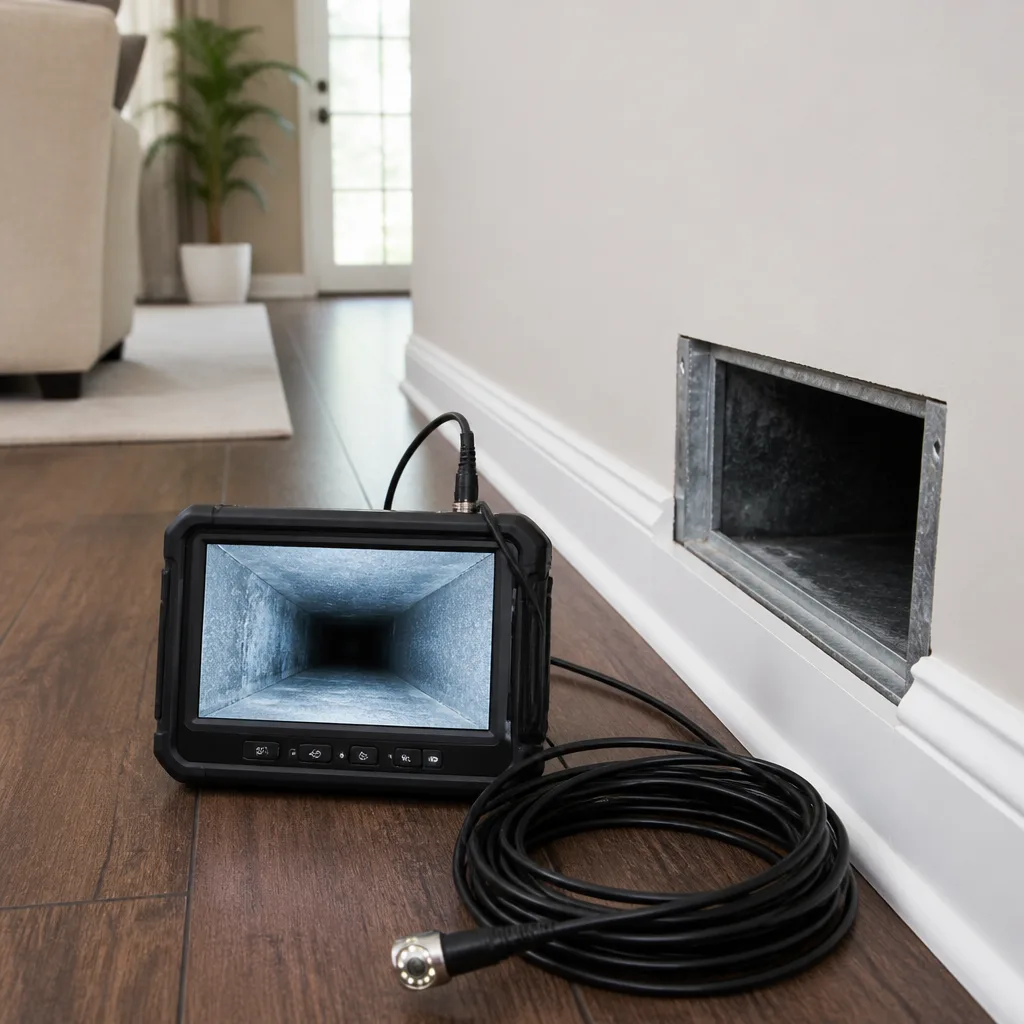 Camera inspection
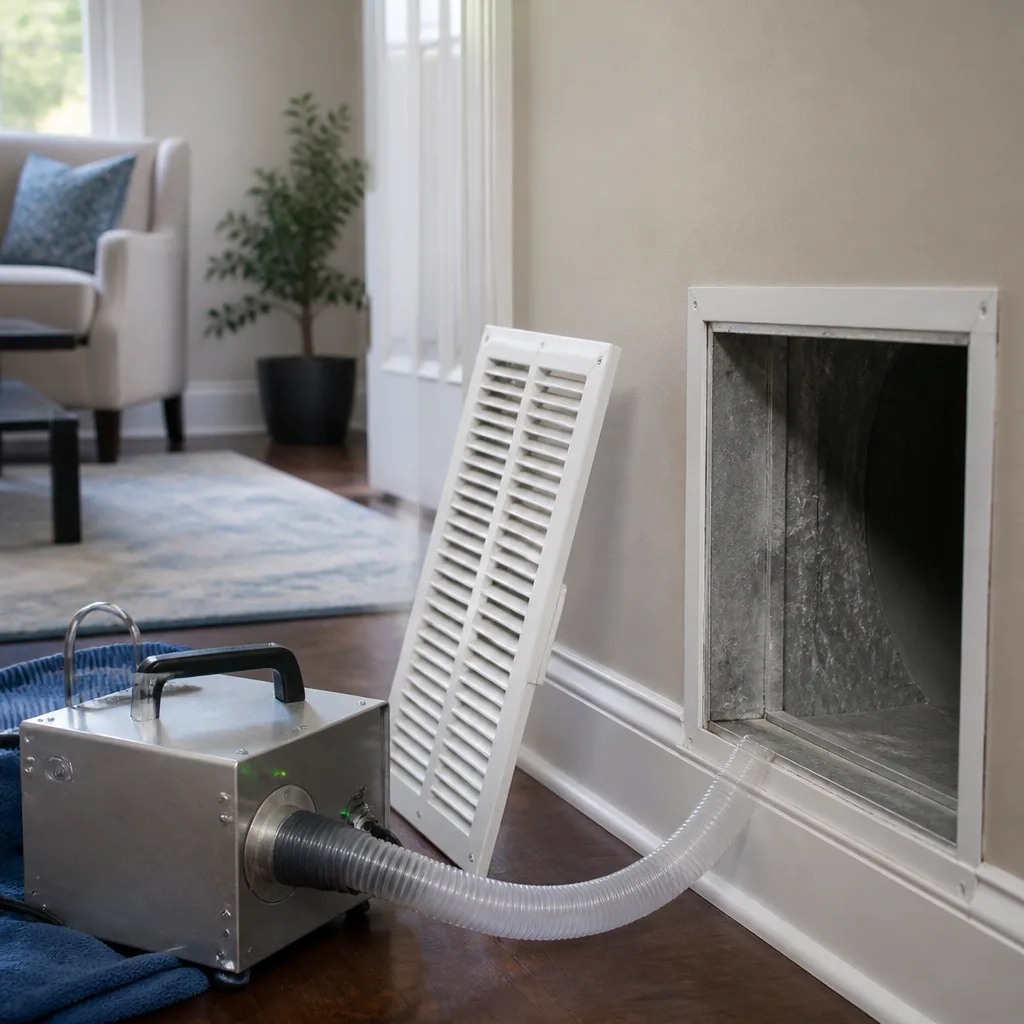 Sanitizing & deodorizing
Whole-system duct and dryer vent check with before-and-after photos - you see exactly what came out of your vents
That "$99 whole-house special" is a bait ad - the real number appears once they are in your hallway, or the "clean" is a shop-vac at the register. We photograph the inside of your ducts before and after instead.
How to Hire an Air Duct Cleaning Contractor in Dilworth: A Step-by-Step Guide
The $99 duct cleaning postcard that lands in your mailbox isn’t a bargain. It’s a sales call. What shows up is usually a shop vac rig and a person whose job is to find something to upsell once they’re standing in your hallway. If that sounds familiar, you’re not being cynical – you’re being accurate about a big part of this market. Our technicians have up to 9 years of experience, and the single most common thing we hear from homeowners in Dilworth is that they didn’t know the right questions to ask until after a disappointing job. This guide gives you those questions up front: the equipment specs to request, how to verify credentials, what a real walk-through looks like, and how to write a scope of work that protects you. We’ll talk about why we use professional-grade Rotobrush and Nikro equipment rather than big-box tools, and what that difference actually means in your ducts.
Quick Answer
To hire an air duct cleaning contractor in Dilworth, request the equipment spec in writing (collection unit, CFM rating, agitation method, HEPA filtration), verify NADCA membership directly rather than trusting a website logo, insist on a walk-through assessment before any price is quoted, and get the scope of work, equipment used, and verification method documented before work begins. The right questions asked in advance save far more than comparison shopping on price. Skip the interview and you’ll be comparing two quotes that look identical but describe completely different jobs. Start by asking what equipment goes into the system, not what the job costs.
Styles & brands we work with
- Whole-home duct cleaning
- Dryer vent cleaning
- Camera inspection
- Sanitizing & deodorizing
Table of Contents
- The Equipment Questions to Ask Before You Book
- How to Verify NADCA Membership and What It Actually Requires
- What a Legitimate Walk-Through Assessment Looks Like
- Red Flags Specific to the Charlotte-Area Contractor Market
- How to Structure the Contract Before Work Begins
- What Dilworth Homes Demand From a Duct Cleaning Job
- Step-by-Step: Interviewing and Booking a Contractor
- Scope of Work: Cleaning, Repair, and Sealing as One Job
The Equipment Questions to Ask Before You Book
The equipment is the job. Everything else a contractor tells you about “experience” or “quality” means nothing if the tools can’t actually remove and contain the debris inside your ductwork. When you call an air duct cleaning company in Dilworth, the first questions should be technical, not financial. A contractor who can answer them confidently will; one working with consumer-grade equipment will talk around them.
Ask for these specifics, in writing:
- What collection unit will you use? A proper collection unit is a dedicated vacuum designed for duct systems, not a shop vac or a leaf blower rigged to the register. Ours are HEPA-rated Nikro units built to hold extracted debris for the whole job.
- What CFM rating does the collection unit hold? CFM (cubic feet per minute) is the airflow the unit pulls from the system. It’s the number that determines whether the contractor can actually extract dislodged debris or just stir it up. Any contractor who can’t tell you their CFM rating doesn’t have the equipment to answer the question.
- What is your agitation method? Agitation is what loosens material from the duct walls. A proper rotary brush system like Rotobrush uses mechanical brushes that travel the length of the duct and physically lift the debris. Ask what brush heads they use and how they handle flexible versus rigid duct material.
- Do you use HEPA filtration? HEPA filtration keeps fine particulate from recirculating into your home during the job. It’s a containment measure, not a cleaning method. If the contractor can’t explain what their filtration system captures, ask again.
- Did you bring a camera inspection tool? A camera on a line into the ducts before and after work shows you what was actually in there and what came out. No camera, no verification.
When you’re ready to walk through your own system, we can have a technician on site with that equipment. We answer 24/7 and dispatch Sunday through Friday, from 7am to 7pm. Call (855) 337-2086 for a free estimate.
How to Verify NADCA Membership and What It Actually Requires
NADCA – the National Air Duct Cleaners Association – sets the standard contractors should be measured against. A logo on a website proves nothing; you have to check. The distinction matters because NADCA membership requires ongoing training, adherence to an industry code of ethics, and assessment of a contractor’s equipment and procedures. Any contractor can copy a logo. Fewer back it with the credential.
Here’s how to verify what you’ve been told:
- Look up the company directly through NADCA’s public member directory rather than asking a contractor to email you a certificate. A legitimate member appears there. A contractor who says they’re “NADCA-certified” but doesn’t appear is not.
- Ask specifically what credential their technicians hold. ASCS (Air Systems Cleaning Specialist) is the technician credential most worth verifying. Ask which of the technicians coming to your home hold it.
- Request a sample scope of work from a previous job. A legitimate contractor can show you the document structure and the equipment listed. It will tell you more about their professionalism than any brochure.
- Ask how they handle the NADCA standard of care for verification. NADCA’s published procedure requires post-cleaning verification. A contractor unfamiliar with that word hasn’t followed the standard.
In our experience, the NADCA conversation filters candidates faster than anything else. Contractors in or near Dilworth who skip it are rarely the ones to call back.
What a Legitimate Walk-Through Assessment Looks Like
A real assessment happens before a price is mentioned, and it takes more than five minutes. If you call an air duct cleaning service in Dilworth and get a phone quote without anyone looking at your system, you’re being sold a number, not a service. The in-person assessment is where the contractor learns what’s actually involved and where you learn whether they’re properly equipped for it. Here’s what a serious walk-through includes.
Duct material identification. Rigid metal, flexible, fiberglass board, and ductboard all require different brush heads and different handling. The contractor should run a hand along your ducting and note the material before talking about equipment. A brush that works on rigid metal will tear through flexible duct.
Square footage estimate. They should measure or closely estimate the total conditioned square footage. A 1,200-square-foot home in Dilworth and a 2,800-square-foot home with a two-zone system are not the same job. Vague square footage is a sign of a one-price-fits-all pitch.
Access point inventory. Registers, return air grilles, and plenum access. The contractor needs to know how many openings they’re working through and whether any access panels need to be cut and sealed afterward. Ask them to point out where they’ll enter the duct system.
System age and condition. Older systems may have degraded duct seals, visible gaps at joints, or disconnected segments. A walk-through should catch those and note them in the scope. You should ask what they found and why it matters.
Camera inspection before work begins. You should be able to see the inside of your ducts on the screen. Ask to see it. Before-and-after photos are how we verify our work, and you should expect the same from any company you hire.
Walk-through, then equipment questions, then price. That’s the order. A contractor who quotes first and looks second is selling from a truck.
Red Flags Specific to the Charlotte-Area Contractor Market
The Charlotte-area duct cleaning market has more than its share of one-van operations riding through town with a coupon book. Some are legitimate independent contractors; others are upsell outfits with no equipment worth the name. Knowing what to watch for is half the hiring decision. These aren’t hypothetical – they’re the patterns we hear about from Dilworth homeowners who’ve already paid once and aren’t satisfied.
- Vague scope of work. A quote that says “air duct cleaning” without listing what’s being cleaned, how, and with what equipment is not a scope. If the contractor won’t put the system scope on paper, the job is undefined by design.
- No camera inspection offered. If they don’t show you before-and-after footage, you have no way to know what actually happened. “We cleaned it” isn’t verification.
- Pressure to add sanitizer before assessment. Sanitizing is a legitimate service when contamination is present. It’s an upsell when you’re asked to add it before the contractor has even looked at the system. The order should be assess first, then decide whether sanitizing is warranted.
- Door-to-door with a “while we’re in the neighborhood” pitch. No legitimate duct cleaning contractor books a Dilworth job off a doorstep. A good company takes scheduled appointments, walks your system, and sends a written scope.
- Quotes that don’t mention the collection unit. If the quote never names CFM, HEPA filtration, agitation method, or collection equipment, the equipment doesn’t exist or they don’t want you to know what it is.
- No post-cleaning verification. A scope that ends at “we clean” without a verification step isn’t the industry standard.
None of these rules out a small independent contractor. A two-person operation with a Rotobrush machine, a HEPA vacuum, and a camera is more legitimate than a big marketing brand with a shop vac. Ask about equipment, not company size.
How to Structure the Contract Before Work Begins
The contract should protect you in four areas: scope, equipment, verification, and what happens if the job exceeds the estimate. Four pages is not required, but four sentences is not enough. Before you sign anything, the written scope should specify the following. Ask for all of it in writing, and if the contractor resists, call someone else. A professional-grade contractor will put their process down in detail and welcome the comparison.
- Scope of work: Number of registers and return grilles serviced, total linear feet of duct cleaned, system zones addressed, and whether dryer vent work is included. Each item should be a line, not a sentence.
- Equipment list: Name the collection unit manufacturer and model, the CFM rating, the agitation method and brush system, and whether HEPA filtration is used. Ours lists Rotobrush rotary brush equipment and Nikro HEPA collection as standards.
- Verification method: What will the contractor show you when work is finished? Before-and-after photos, camera footage, or a post-cleaning written summary signed by the technician. All three are ideal.
- Price terms: One flat price per system, agreed before work begins. Not a per-vent rate. Not a teaser price with add-ons described verbally once the technician is on site. The written estimate sets the final price. That’s the only line that matters.
- Sanitizing and repair: Whether sanitizing, duct repair, or sealing are in scope from the start or offered as additions after assessment. If they’re additions, what triggers them – a visual finding after camera inspection, not an on-the-spot sales conversation.
One flat price per system, settled before work begins, is the single most important clause. Everything else is negotiable. That clause is not.
What Dilworth Homes Demand From a Duct Cleaning Job
Dilworth’s housing stock shapes what a duct cleaning job actually involves in this neighborhood. The original bungalows and Craftsman homes along East Boulevard and the streets that branch off from it were built when systems were added later, often retrofitted into closets and shallow chases not designed for ductwork. That retrofit reality matters for air duct cleaning in Dilworth in ways it doesn’t in neighborhoods built around modern HVAC packages.
Original Dilworth homes were built for window units and radiators, so a lot of ductwork here was retrofitted into spaces that don’t have standard access points or consistent chase dimensions. When duct runs are squeezed into attic assemblies or shallow wall cavities, the contractor has to cut and properly seal access panels to reach the full length of the duct. That’s part of the scope, not an extra. Ask any Dilworth contractor how they handle retrofit access and whether sealing the panels back is included.
Charlotte’s humid summers keep the system running six months of the year, which means particulate buildup in return ducts and drip trays accumulates faster than a homeowner in a four-season climate might expect. The system is also coming on strong in shoulder seasons when pollen counts climb. That combination creates the conditions where debris and biological growth matter more.
Old-house ductwork also tends to have leak points at joints and connections that a cleaning job alone won’t fix. That’s why duct repair and sealing have to be part of the conversation rather than an optional add-on. Cleaning a duct system with gaping joints is a temporary solution. The right scope for a Dilworth home cleans the full system and assesses where it’s losing the most air.
Step-by-Step: Interviewing and Booking a Contractor
The interview process has a clear sequence. Follow it in order and you’ll filter out unsuitable candidates before you’ve paid anyone a dime. Here is the sequence we’d recommend to a neighbor.
- Make the first call about equipment. Ask the collection unit brand, CFM rating, agitation method, and whether HEPA filtration is used. If the person on the phone can’t answer, ask for someone who can. The answers should be specific and consistent.
- Ask for NADCA verification. Look up the company in the public member directory. Ask which technicians hold ASCS credentials. Ask for a sample scope of work from a previous job.
- Schedule a walk-through. The appointment should include duct material identification, square footage confirmation, access point inventory, system age assessment, and a camera inspection. No price should be quoted before the walk-through is complete.
- Review the written scope. Verify it lists the specific equipment, the register count, the linear feet, the verification method, and the flat price per system. Every line should be there. If anything is verbal, ask for it in writing.
- Confirm what happens after work. Before-and-after photos or camera footage. Ask whether a written summary follows the job. Confirm whether duct repair, sealing, or sanitizing are part of the scope from the start.
- Book with confidence. The right contractor is easy to spot by the third step. They answer equipment questions directly, they commit scope to paper, and they welcome your comparison shopping.
We answer 24/7 and dispatch Sunday through Friday, from 7am to 7pm. If you’re ready for a walk-through, call (855) 337-2086 for a free estimate.
Scope of Work: Cleaning, Repair, and Sealing as One Job
Here’s the thing most homeowners miss until after they’ve paid once: cleaning is only part of the job. A real air duct cleaning scope for a Dilworth home includes cleaning the full air pathway, repairing duct integrity, sealing leaks, and, where contamination warrants it, sanitizing. HVAC cleaning should include the coils, drain pan, and blower assembly. If the contractor stops at the registers, they’ve cleaned a fraction of the system. Split those services across three vendors and you’ll pay for each trip and lose the continuity of a single assessment.
The verification method matters as much as the scope. Before-and-after photos of your own ducts, taken by the technician during the job, show you what was actually there and what changed. A written summary should name the equipment used and the findings from the camera inspection. If the contractor can’t show you the footage, they can’t verify the work.
Duct repair and sealing aren’t cosmetic. Disconnected segments, gaps at plenum connections, and unsealed access panels waste a significant share of conditioned air and pull unfiltered air into the system from attics and crawlspaces. Cleaning without sealing returns the system to the same leaky condition within a season. Repair and seal, not just clean – that’s the standard the scope of work should reflect.
Sanitizing is a meaningful service when the assessment finds biological growth or contamination from a renovation. It’s not meaningful when pitched before anyone has seen the ducts. Whether sanitizing or Guardsman-grade protective treatments are appropriate comes after inspection, not before it.
For more on how the full system gets addressed, watch how Air Duct Cleaning Dilworth approaches the end-to-end scope – especially if you have allergies, a recent renovation, or a system you suspect has never been cleaned.
Common Mistakes to Avoid
These are the mistakes that cost the most – in money, in time, and in the second job you have to pay for after the first one underdelivers. Each is avoidable with the right questions asked in advance.
- Booking on price before asking about equipment. The cheapest quote and the most expensive quote often come from companies with identical equipment. Price without equipment spec tells you nothing about which job you’re buying. Ask first, compare second.
- Trusting a website logo for NADCA membership. Verify directly through the NADCA directory. A logo is a graphic; a directory entry is a verification.
- Accepting a phone quote without a walk-through. If the contractor will quote without seeing your system, they are not quoting your system. They’re quoting a generic job.
- Confusing “we clean the vents” with cleaning the full system. Vents are the grilles. The system is duct runs, plenums, and the air handler. A contractor who only addresses the grilles is doing a small fraction of the work.
- Letting sanitizer get pitched before assessment. Sanitizing should follow a finding, not a sales prompt. Ask what the camera showed before saying yes to any additional treatment.
- Signing a per-vent priced quote. Per-vent pricing creates an incentive to count vents differently. Ask for a flat price per system based on the walk-through findings.
- Not requesting before-and-after photos and a post-cleaning summary. You’re owed a verification record. If the contractor doesn’t provide one as a standard deliverable, ask why.
See the difference
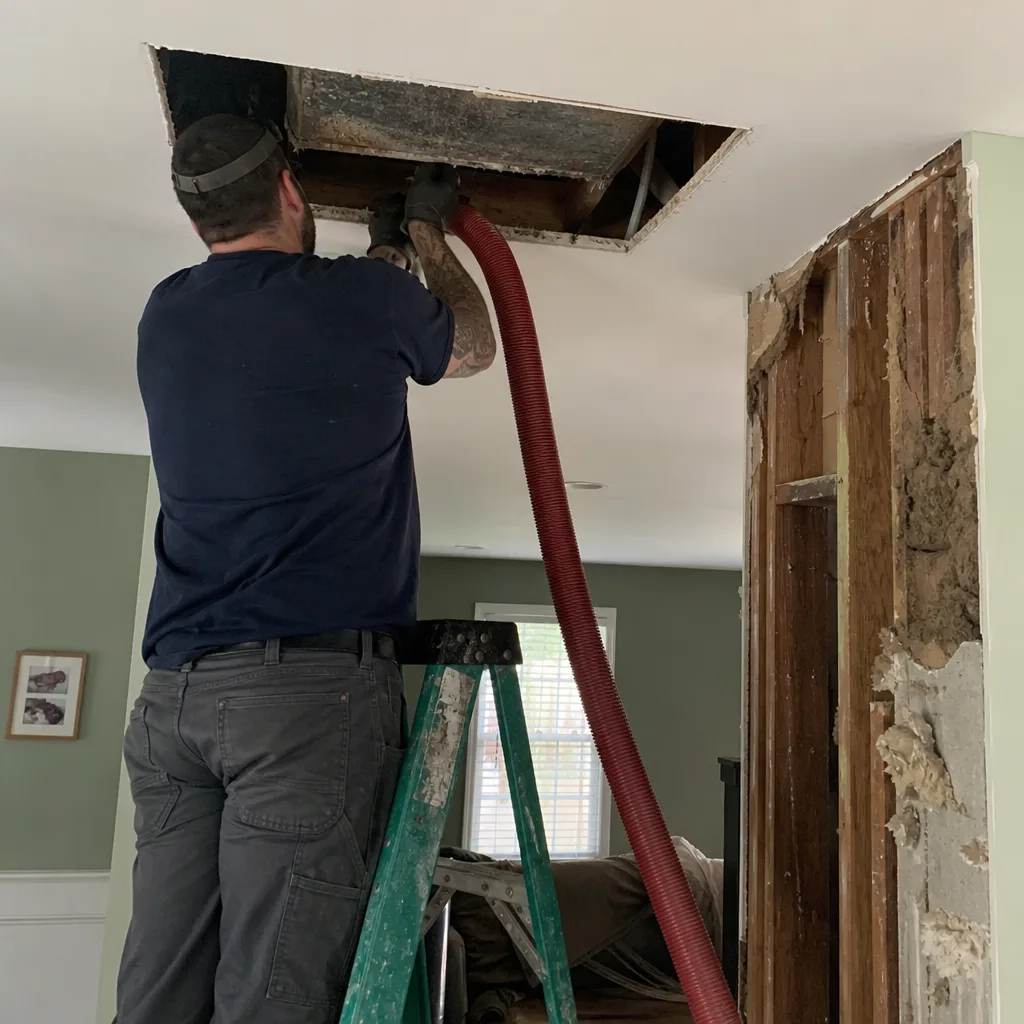 Before
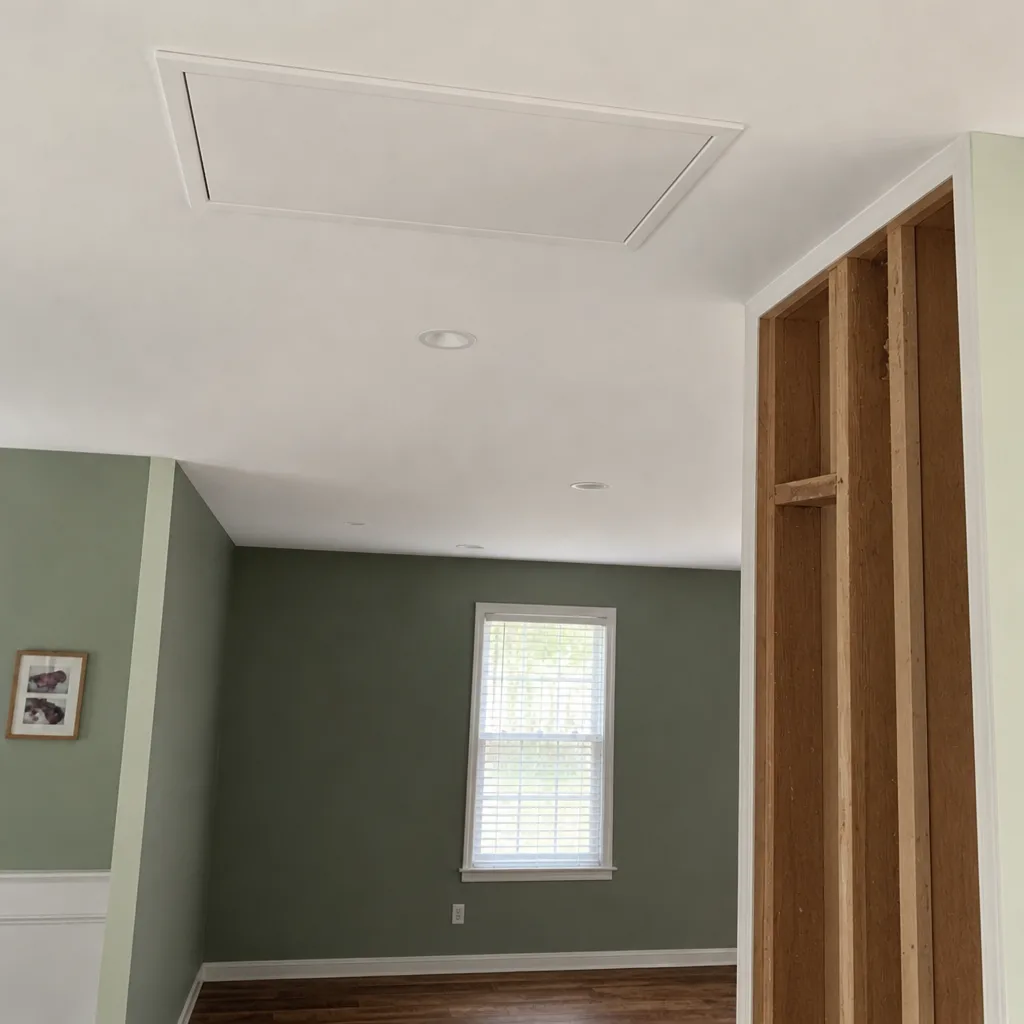 After
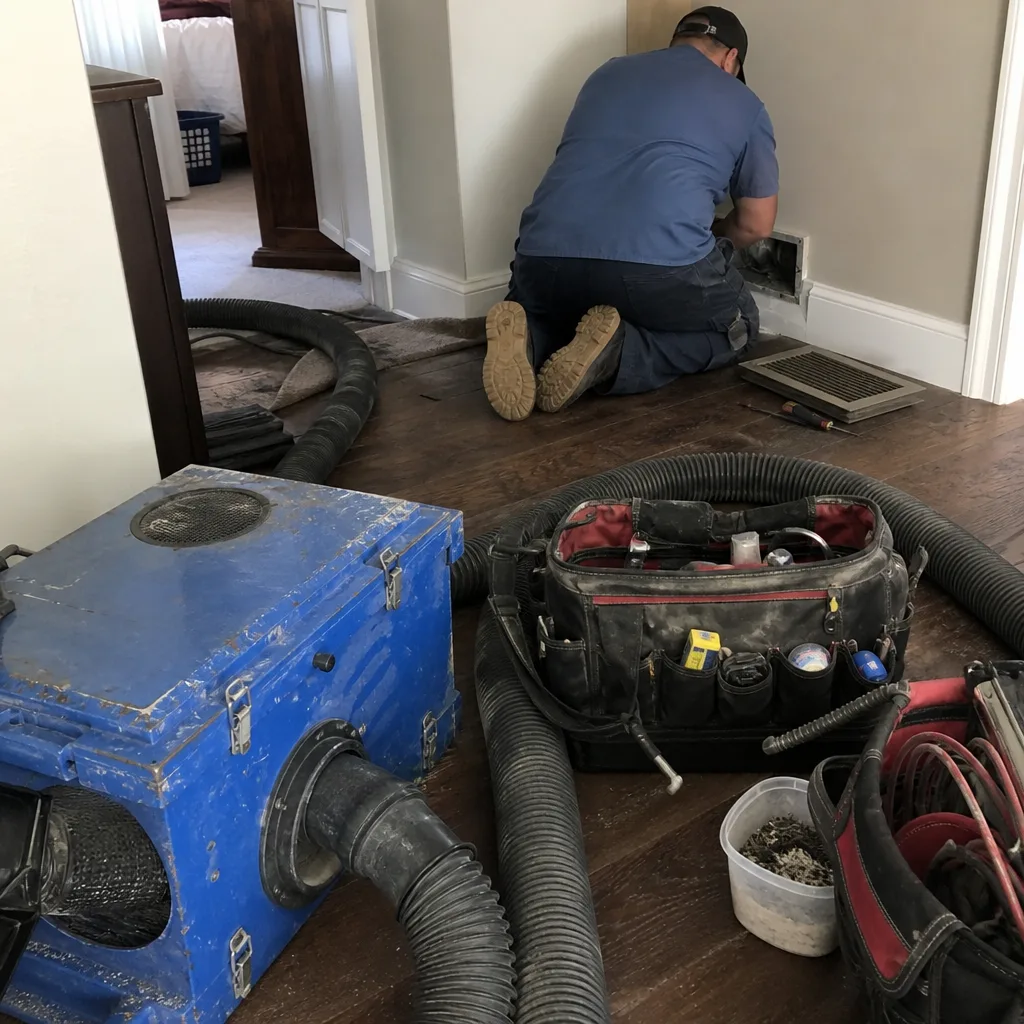 Before
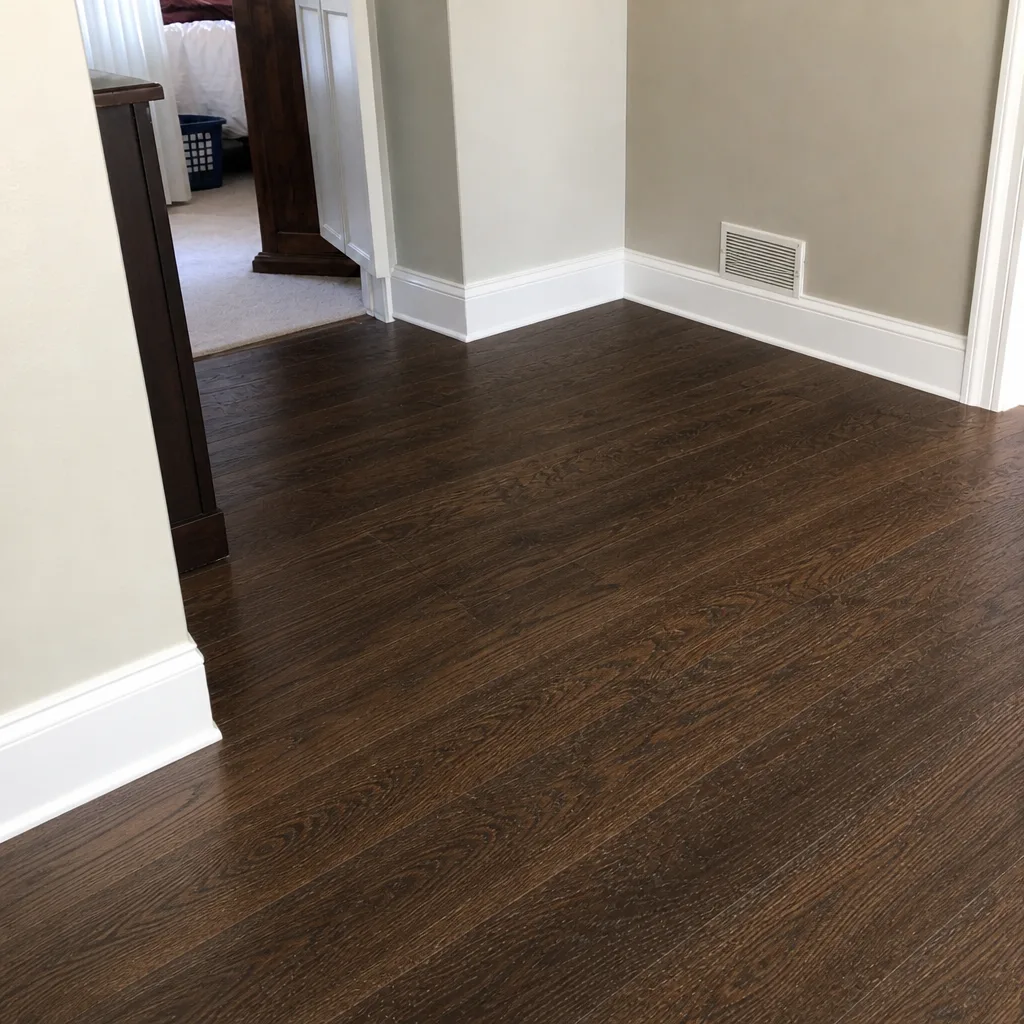 After
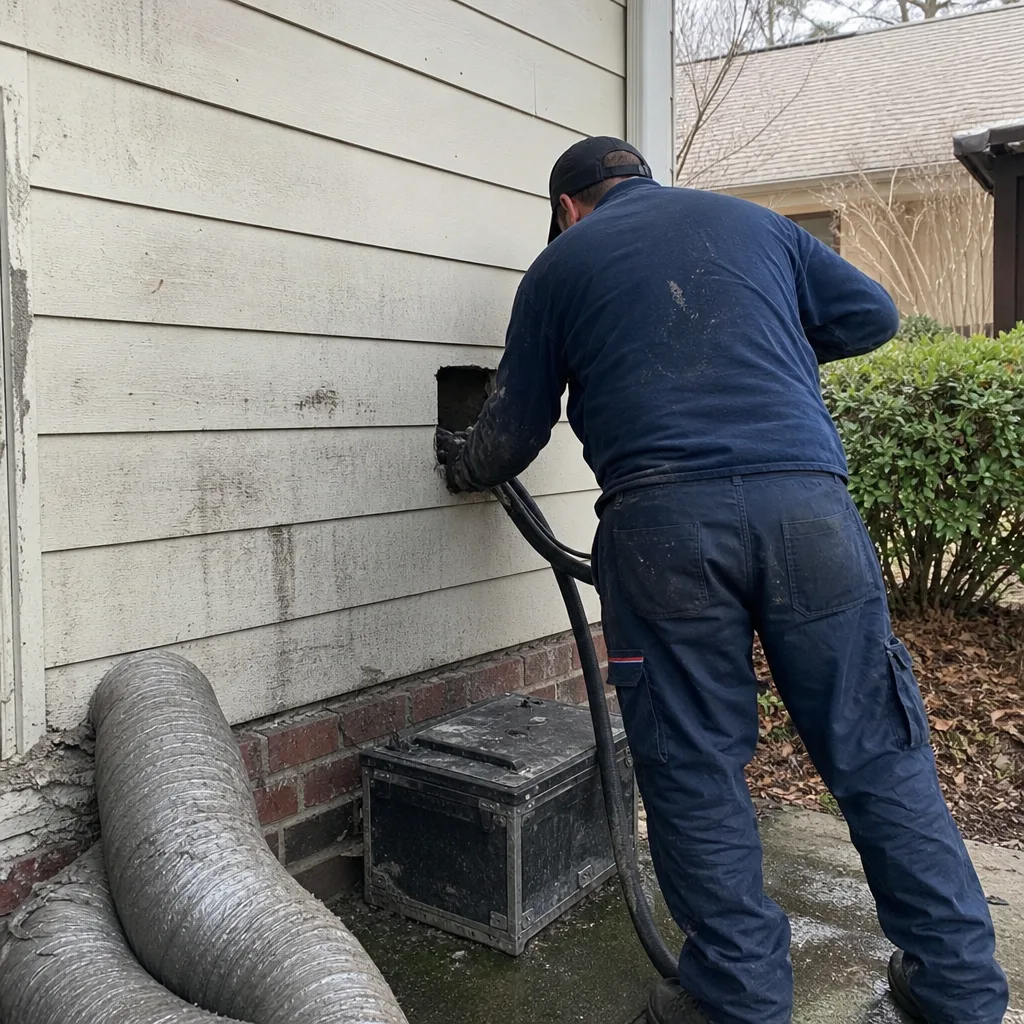 Before
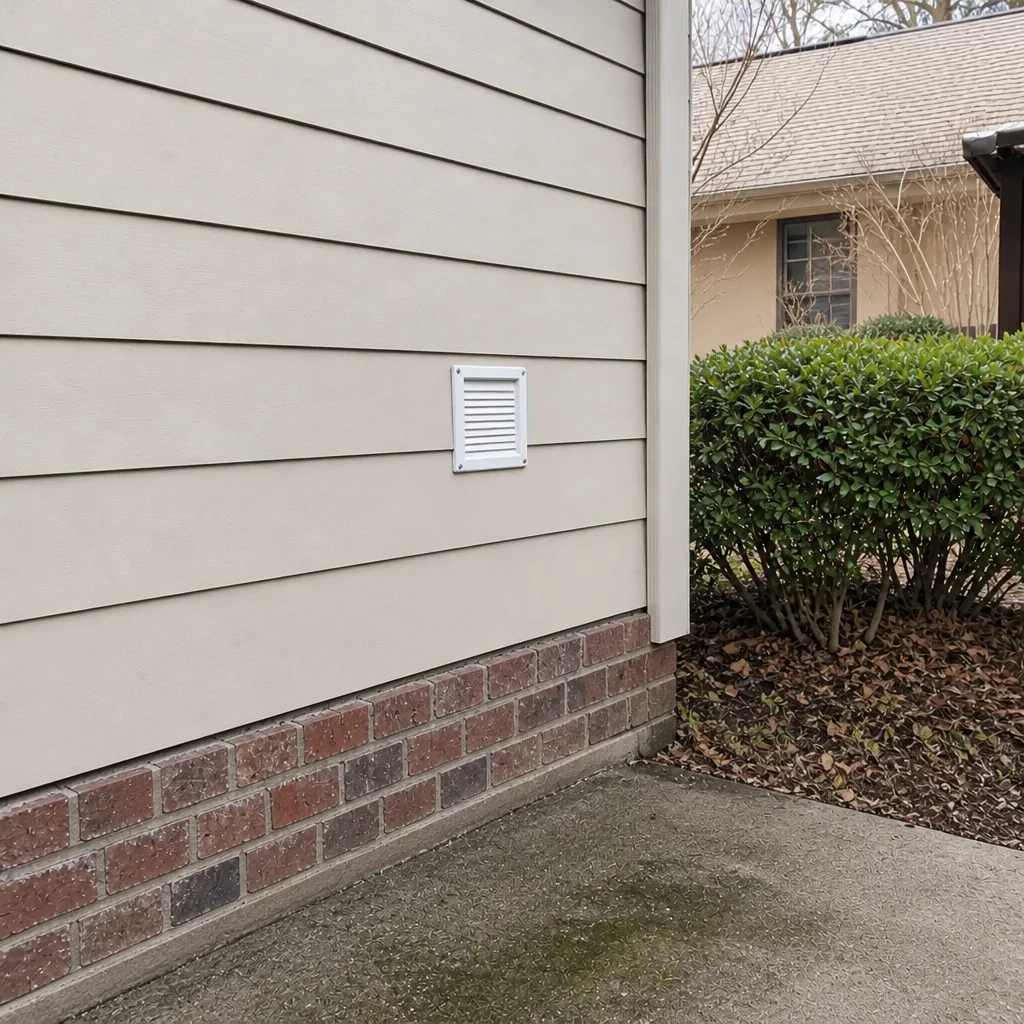 After
When to Call a Professional
If you’re seeing visible dust blowing from registers right after a filter change, if you’ve recently renovated and the system was left running through the demolition phase, or if you’re dealing with new allergy symptoms indoors, it’s time for a professional assessment. A system that has never been cleaned and is more than five years old is due for a walk-through. A system that has had duct work patched or modified deserves a camera inspection to confirm the repair is actually sealed. A dryer vent that takes more than one cycle to dry a load needs immediate attention. A dryer vent clogged with lint is a fire risk, and it should be addressed by a trained professional rather than with a consumer kit.
For dryer vent cleaning specifically, the equipment question matters here too: a HEPA-rated collection unit and a proper rotary brush make a real difference in the depth of cleaning achieved through a long vent run.
Air Duct Cleaning Dilworth offers free estimates in Dilworth – call (855) 337-2086.
Frequently Asked Questions
Plan on a whole-system estimate that’s based on the walk-through findings – register and return grille count, linear feet of ductwork, system zones, and any repair or sealing scope – rather than a per-vent price. A single teaser price is not a real quote for a Dilworth home, because duct layouts vary too much between original bungalows and newer construction. The written estimate sets the final price. Call (855) 337-2086 for an exact quote on your system – estimates are free.
Cheap quotes usually reflect a smaller scope, not a better deal. A low teaser price typically covers only a surface pass on the grilles with a shop vac rig, not a full-system cleaning with rotary agitation, HEPA collection, and camera verification. When the technician arrives and the real scope is identified, the price usually grows. Ask any contractor to put their equipment list and scope in writing before comparing prices. Then compare like to like. Call (855) 337-2086 for an honest estimate.
Before-and-after photos of your own ducts, taken during the job, plus camera footage from the post-cleaning inspection. A legitimate contractor provides both as a standard deliverable, not as a favor. Ask for the verification method to be written into the scope of work. If you don’t get a written summary, ask why. Call (855) 337-2086 to see how we verify each job.
Most homes in Dilworth don’t need annual cleaning. A typical interval is three to five years depending on the system age, whether pets are in the home, whether anyone has allergies, and whether a renovation has happened since the last cleaning. A home that has just been renovated or has had a water event should be assessed sooner. When in doubt, a camera inspection answers the question. Call (855) 337-2086 for a free assessment.
Yes, and it’s worth verifying directly rather than trusting a website logo. NADCA membership requires adherence to a code of ethics, ongoing training, and assessment of the contractor’s equipment and procedures. The individual technician credential to look for is ASCS. Look the company up in the public NADCA directory before booking. For questions about our own process and credentials, call (855) 337-2086.
Duct cleaning addresses the duct runs, plenums, registers, and return grilles – the air pathway. HVAC cleaning addresses the air handler components, including coils, blower, and drain pan – the equipment that moves and conditions the air. Both matter because a clean duct system connected to a soiled air handler still delivers poor air quality. For a full picture of what HVAC cleaning covers, that’s the scope to review alongside duct cleaning. Call (855) 337-2086 for a combined estimate.
The Bottom Line
Hiring an air duct cleaning contractor in Dilworth is an equipment interview first and a price comparison second. Ask for the collection unit and CFM rating, the agitation method, and whether HEPA filtration is used. Verify NADCA membership in the public directory rather than trusting a logo. Schedule a walk-through before any price is quoted. Get the scope, equipment list, verification method, and one flat price per system in writing before anyone starts work. Do those four things and the cheap-truck operators filter themselves out. Our technicians have up to 9 years of experience, and we’ll answer every one of these questions before you commit. For more on our air duct cleaning scope or to book a walk-through, call (855) 337-2086. We answer 24/7. Fast dispatch from 7am to 7pm, Sunday through Friday. Estimates are free, and the written estimate sets the final price.
Written by the team at Air Duct Cleaning Dilworth.