
Last updated November 25, 2026
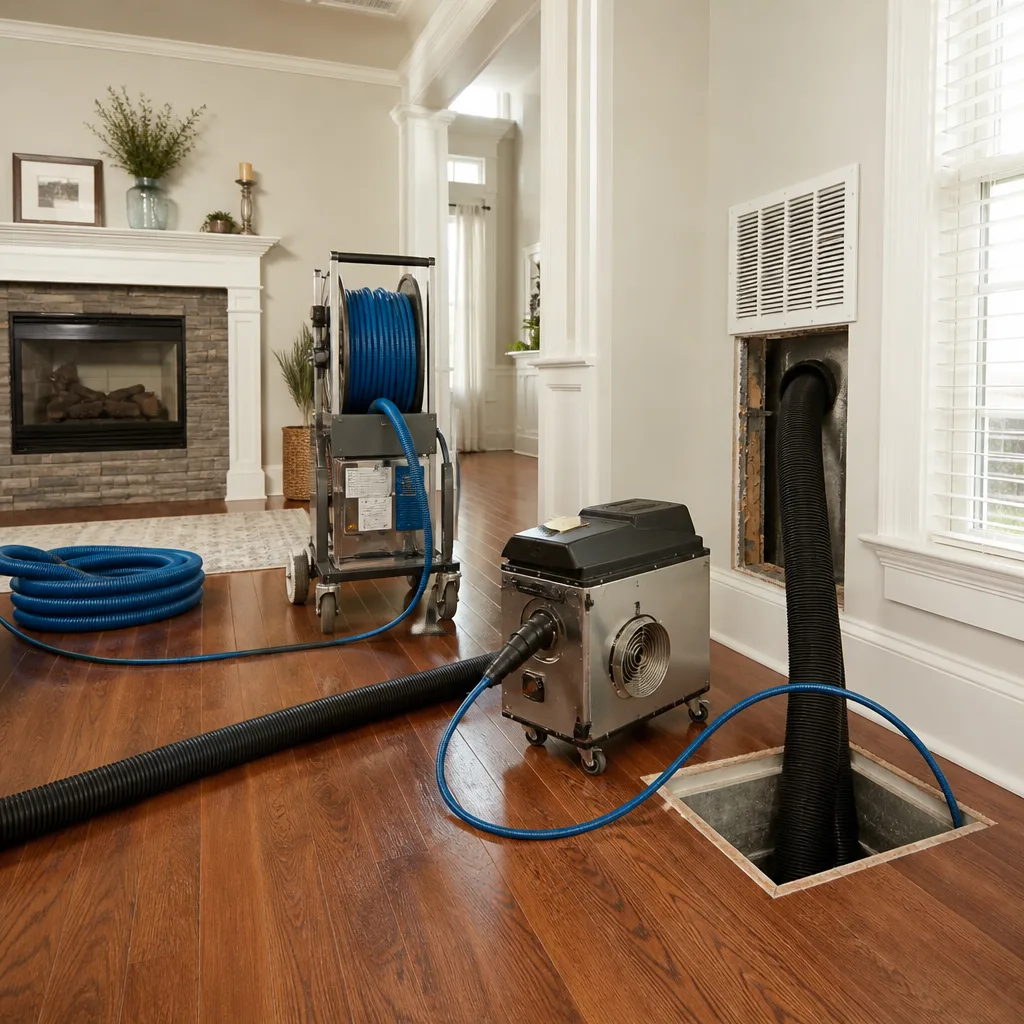 Whole-home duct cleaning
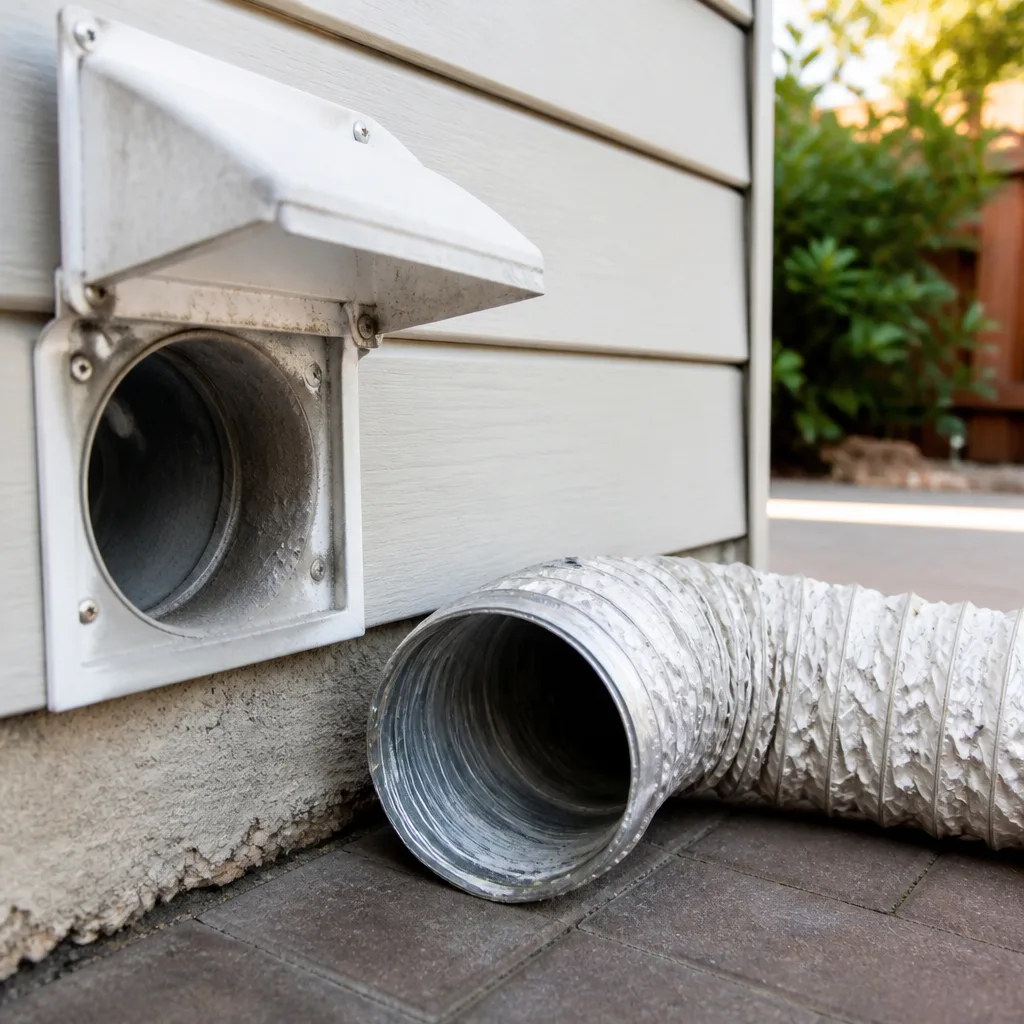 Dryer vent cleaning
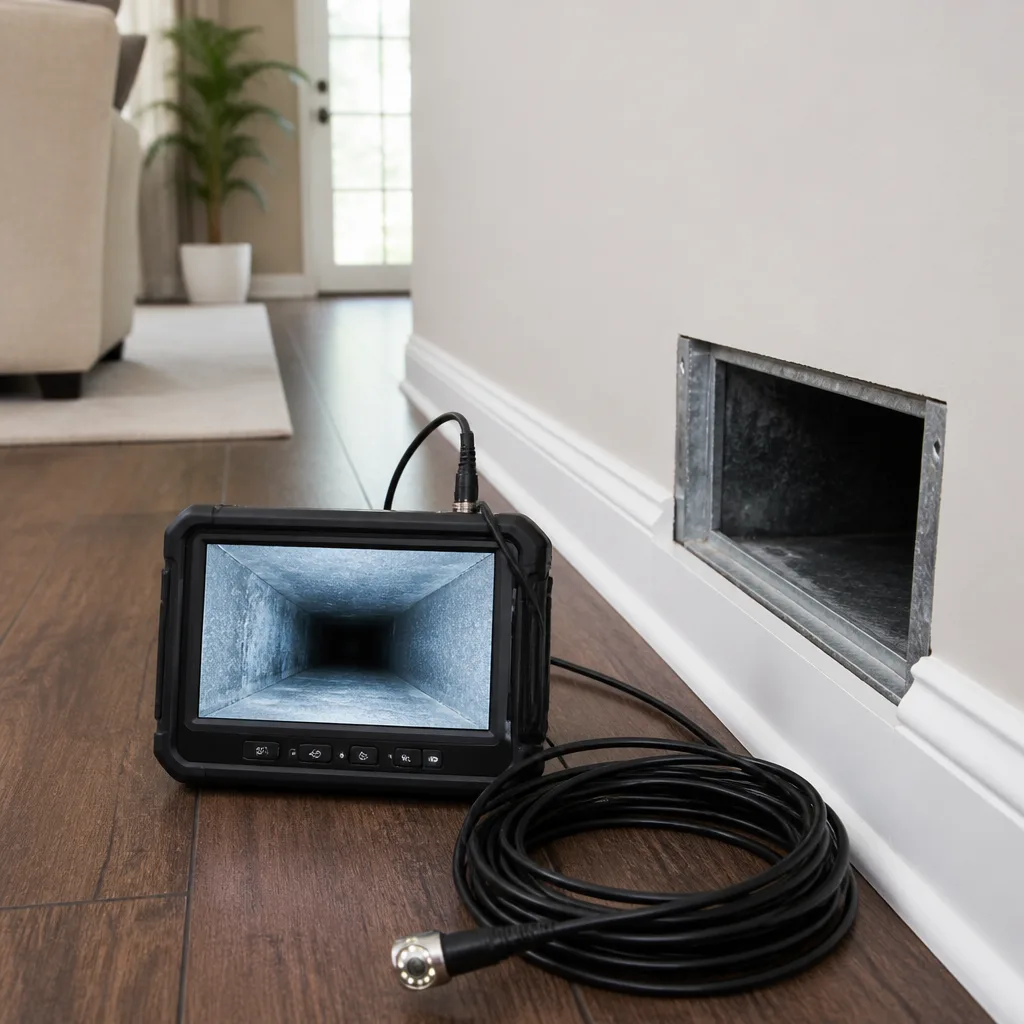 Camera inspection
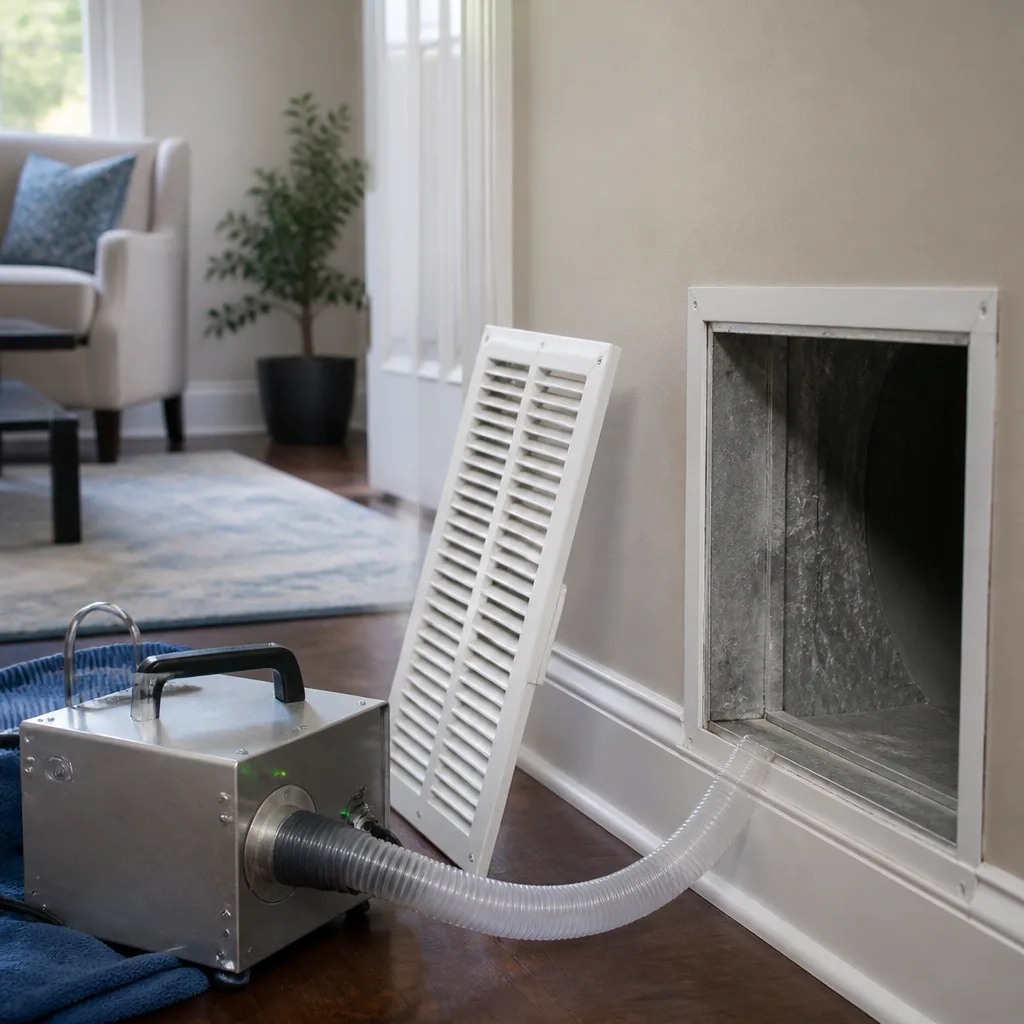 Sanitizing & deodorizing
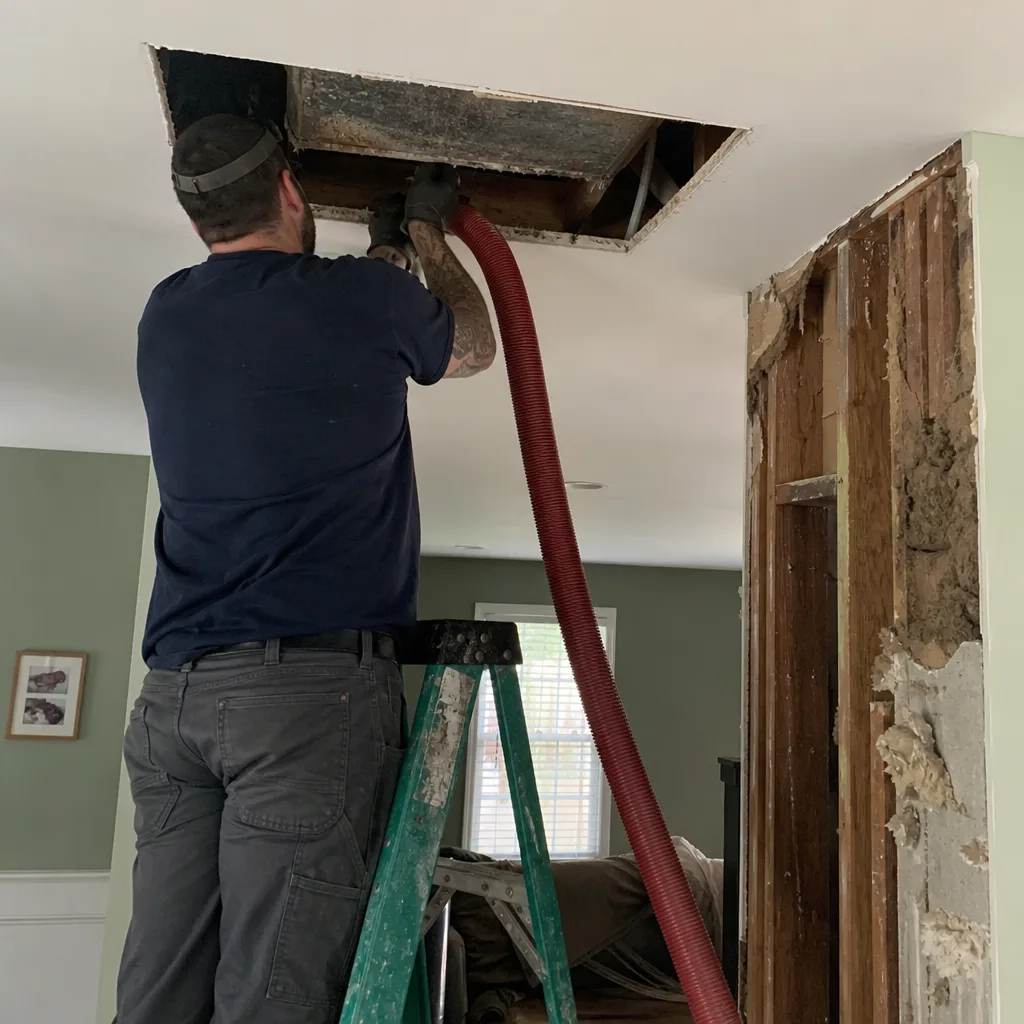
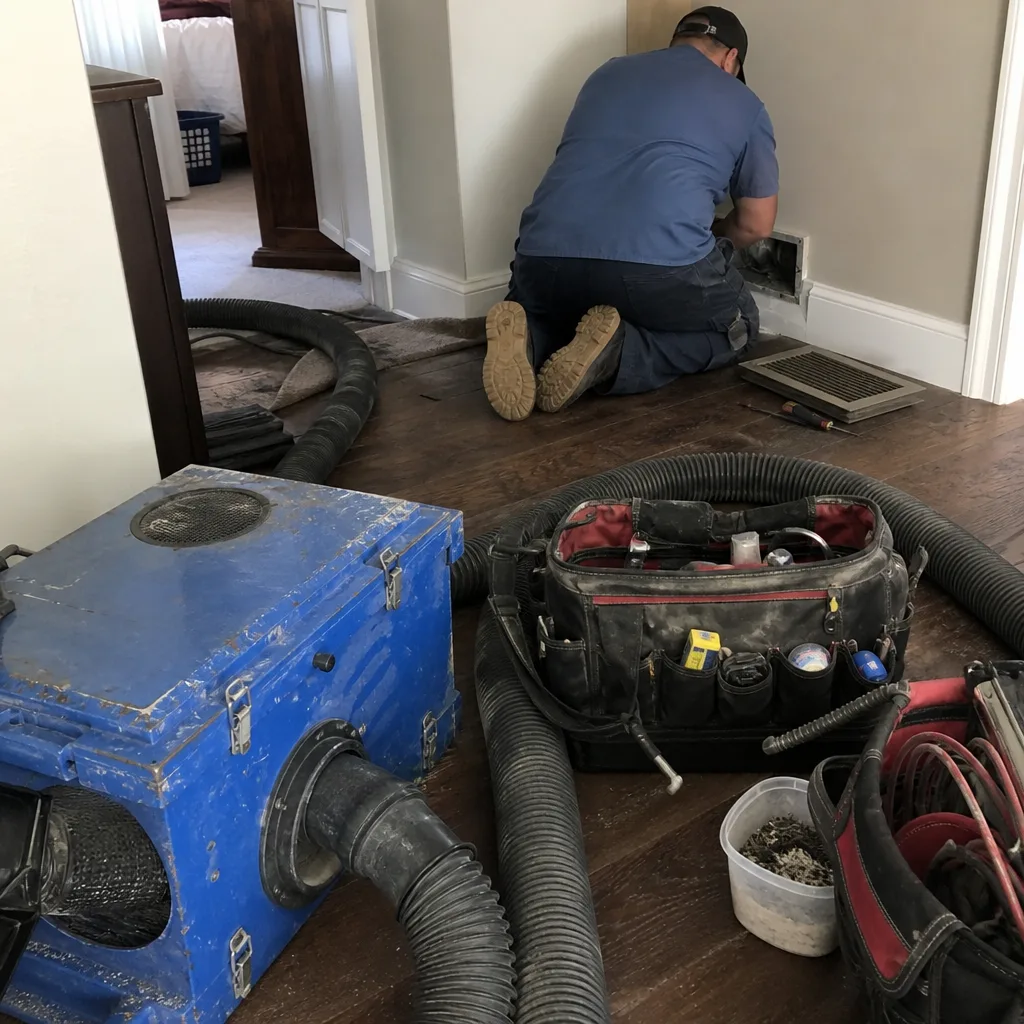
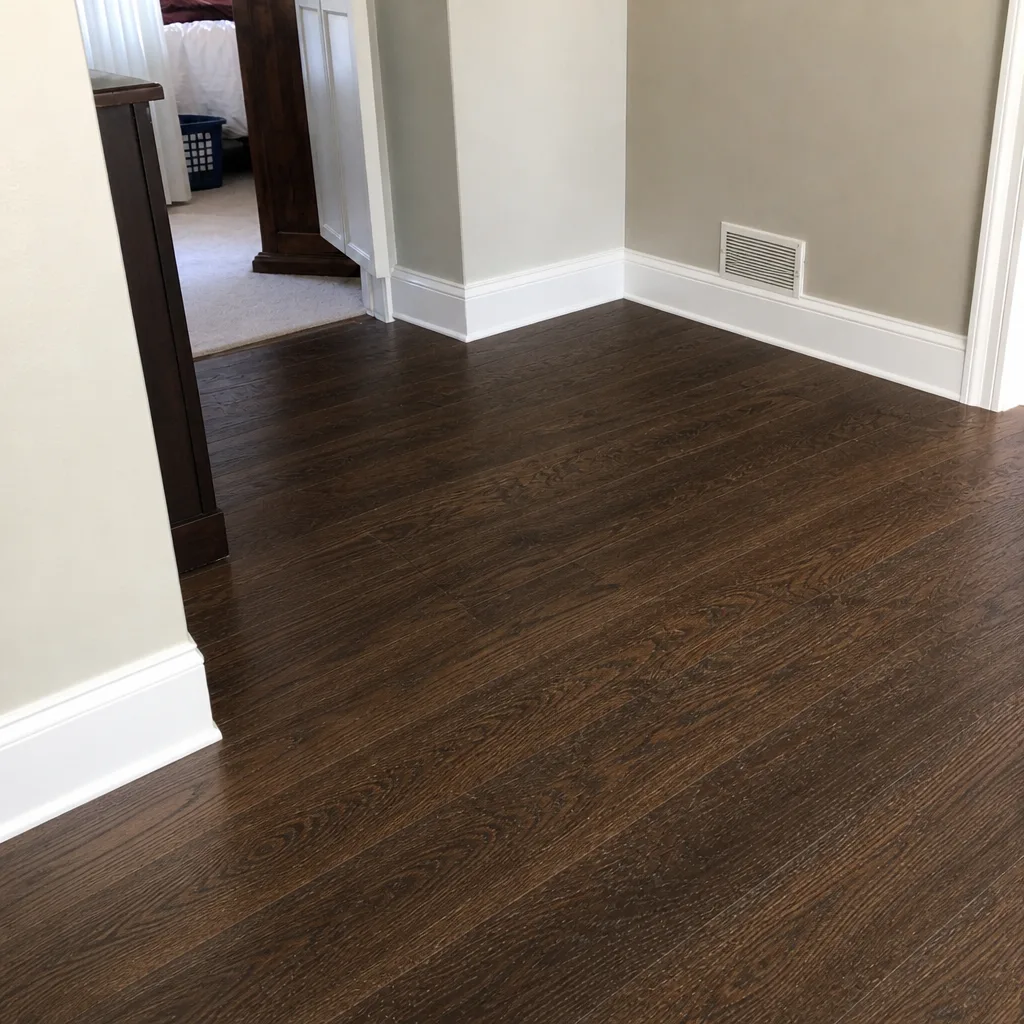
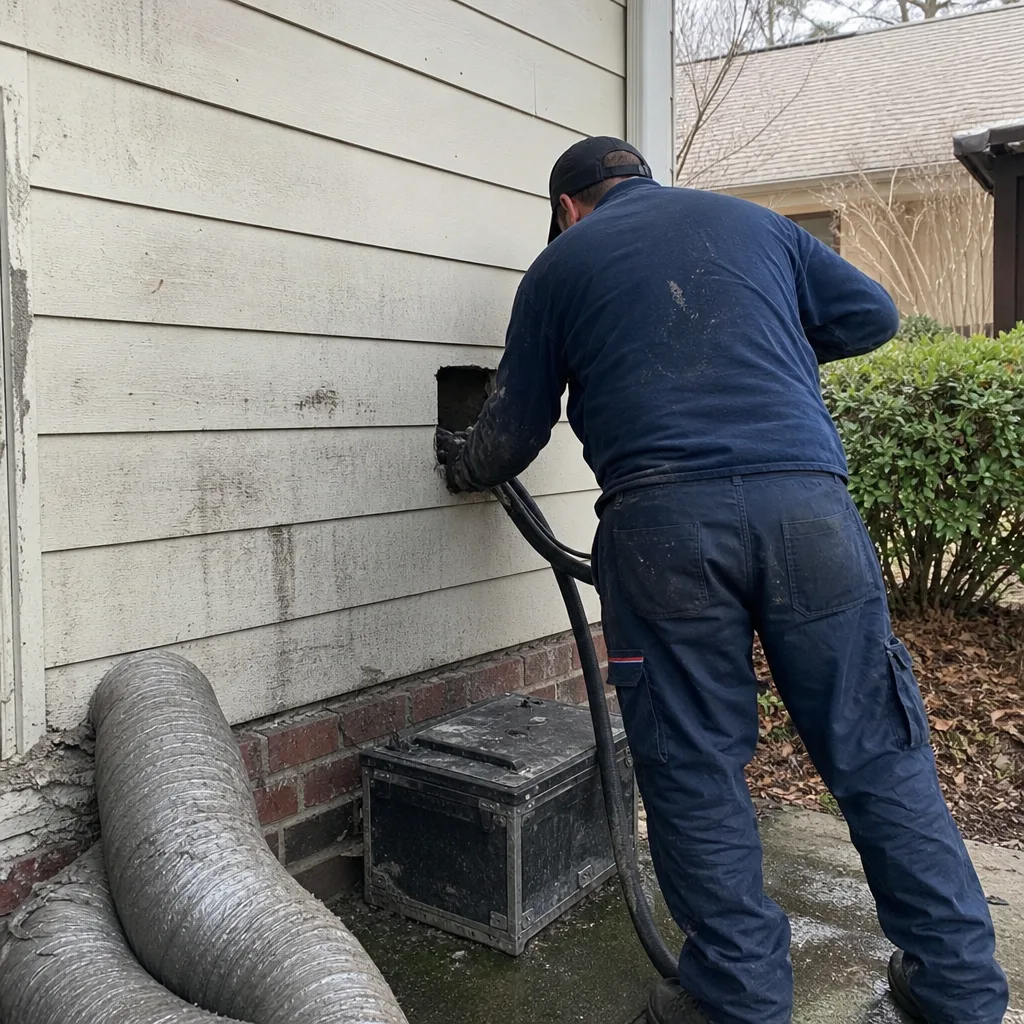
Whole-system duct and dryer vent check with before-and-after photos - you see exactly what came out of your vents
That "$99 whole-house special" is a bait ad - the real number appears once they are in your hallway, or the "clean" is a shop-vac at the register. We photograph the inside of your ducts before and after instead.
Seasonal Air Duct Cleaning Care for Dilworth: Year-Round Homeowner’s Guide
Scheduling your duct cleaning every October because that’s what you’ve always done ignores the fact that Dilworth’s pollen season, humidity peaks, and heating startup each create their own contamination event inside your system. The calendar on your wall says fall. The ductwork in your ceiling is reacting to something else entirely – oak pollen in April, condensation in July, the first furnace cycle in November. Treating all four seasons the same means you’re cleaning at the wrong time and missing the conditions that actually load your ducts. This guide walks through what happens inside a Dilworth home’s air pathway month by month, and how to build a maintenance rhythm around the real load your system carries, not around an arbitrary annual date.
Quick Answer
Air duct cleaning in Dilworth is best scheduled around actual system events, not the calendar: a post-pollen cleaning in late spring, a coil inspection before continuous AC runtime begins, a pre-heating inspection in early fall, and filter changes sequenced to heating and cooling load. Most Dilworth homes do well with one full professional cleaning every two to three years plus seasonal inspections and consistent filter swaps, though homes near heavy oak canopy, recent renovations, or with pets may need a tighter interval. The point is to match the work to what the system is actually dealing with each season.
Styles & brands we work with
- Whole-home duct cleaning
- Dryer vent cleaning
- Camera inspection
- Sanitizing & deodorizing
Table of Contents
- Why Seasons Matter More Than the Calendar in Dilworth
- Spring: Post-Pollen Cleaning and Coil Inspection
- Summer: Humidity, Condensation, and Continuous AC Runtime
- Fall: Pre-Heating Season Inspection Checklist
- Winter: Dry Heat and Fine Particulate Redistribution
- Building Your Seasonal Duct Calendar
- Common Mistakes to Avoid
- When to Call a Professional
- Frequently Asked Questions
Why Seasons Matter More Than the Calendar in Dilworth
Dilworth sits in a four-season climate where each season loads the air pathway differently. Spring brings a heavy pollen dump from the oak canopy that shades many of the neighborhood’s older streets and yards. Summer runs the air conditioner almost continuously for weeks, which keeps the coil wet and the return side pulling humid air through flex duct. Fall flips the system into heating mode after months of cooling. Winter runs dry forced-air heat that lifts the fine dust that settled during the milder months. Each phase deposits something different in your ducts, and each calls for a different response.
An annual cleaning scheduled by habit can land in the wrong window. Clean in March and you’ll spend the rest of spring pulling pollen into a freshly cleaned system. Clean in December and you’ve missed the chance to catch microbial growth that had all summer to settle in the return ducts. The useful question isn’t “when did I last clean?” but “what has my system been through since then?”
Three variables drive how fast a Dilworth system loads up:
- Outdoor particulate load. Pollen, road dust, and construction dust from renovation work around the neighborhood all enter through returns and outdoor air intakes.
- Runtime hours. The more hours the blower runs, the more air cycles through the ducts and the faster filters load.
- Moisture. A wet coil and humid return air create the conditions for biological growth on duct surfaces, especially in flex duct with poor insulation.
We’ve seen Dilworth homes where those three factors combine – heavy tree cover, a system that runs nearly year-round, and a return duct with a condensation problem – and the ductwork loads up in a single season. We’ve also seen homes on more open lots that stay clean for years. The schedule has to match the house, not the neighborhood average.
If you’re starting from scratch and don’t know the condition of your system, a baseline full-system cleaning gives you a reset point to build the seasonal rhythm from. That’s what Air Duct Cleaning Dilworth is set up to do, and it’s the cleanest starting line for a year-round plan.
Spring: Post-Pollen Cleaning and Coil Inspection
Spring cleaning should happen after the pollen peak, not before it. In Dilworth, the oak and grass pollen months dump a heavy load of fine particulate into the outdoor air, and every time the system pulls in outdoor air or draws through a return near an open window, some of that pollen ends up in the ducts. Cleaning in early March means the system re-loads within weeks. Waiting until the pollen settles means you clean once and stay clean longer.
The air handler coil deserves a close look in spring because it’s spent the winter picking up whatever the heating season pushed through the return. Pollen that bypassed the filter can settle on the coil fins and start to mat. A matted coil restricts airflow, which raises static pressure, which pushes more dust past the filter. The cycle compounds.
A spring inspection should cover:
- Filter condition and fit. Check whether the filter seated properly through winter and whether the MERV rating matches the system’s design.
- Coil face inspection. Look for visible matting, dust film, or biological growth on the evaporator coil.
- Return duct interior. A camera inspection shows whether pollen and debris have settled in the return trunk.
- Supply register dust patterns. Streaking around registers signals dust being pushed out under pressure.
- Blower wheel condition. A dirty blower wheel throws the whole system out of balance.
If the inspection turns up accumulated debris, a mechanical cleaning with a rotary brush system is the right tool. The air duct cleaning service we run uses Rotobrush rotary brush equipment to agitate debris off duct walls while a HEPA-rated vacuum captures it at the source. That’s the difference between cleaning and redistributing – the debris leaves the system rather than getting pushed into the living space on the next cycle.
Spring is also the right time to schedule a full-system cleaning if it’s been more than two years. Doing it after pollen season, with the AC about to start its heavy run, gets the system into the humid months as clean as it’s going to be.
Summer: Humidity, Condensation, and Continuous AC Runtime
Summer is the season that quietly does the most damage to Dilworth ductwork. The air conditioner runs for long stretches, the evaporator coil stays wet, and the return side pulls humid indoor air through duct runs that may be insulated poorly or routed through unconditioned attic space. Where that humid air meets a cold duct surface, condensation forms. Where condensation persists, dust that settled on the duct wall turns into a damp substrate, and biological growth follows.
Flex duct is the usual suspect. It’s common in Dilworth homes, and where the outer vapor barrier is torn, compressed, or pulled loose at a fitting, the insulation loses its ability to keep the duct surface above the dew point. You won’t see the problem from the register. You’ll notice it as a musty smell when the system first starts, or as rising humidity indoors even with the AC running.
What to monitor during the summer months:
- Musty odor at startup. A smell that appears in the first few minutes of a cooling cycle often points to growth on the coil or in the return duct.
- Condensate line function. A slow drain keeps the coil box humid and feeds microbial growth.
- Duct insulation integrity. Visible tears, sagging, or disconnected sections in accessible attic or crawlspace runs.
- Indoor humidity readings. Persistently high indoor humidity with the AC running points to duct or envelope issues.
- Filter loading speed. A filter that loads in weeks instead of months means something upstream is shedding debris.
If a summer inspection finds growth in the return ducts or on the coil, cleaning alone isn’t the full answer. Sanitizing the air pathway after mechanical cleaning addresses the biological load, and repairing damaged duct insulation prevents the condensation from returning. That’s why a full-scope provider handles repair and sealing alongside cleaning rather than treating them as separate jobs.
The HVAC cleaning service we offer covers the coil and air handler along with the ductwork, which matters in summer because the coil is where the moisture problem usually starts. Cleaning the ducts without addressing a fouled coil leaves the source in place.
Fall: Pre-Heating Season Inspection Checklist
The weeks before the first heating cycle are the most useful inspection window of the year in Dilworth. The system has just come off months of cooling, the ducts have had all summer to accumulate whatever the humid season deposited, and the furnace or heat pump is about to start pushing warm air through the same pathway. What you find in the ducts now is what gets circulated through the house all winter.
The fall inspection has two jobs: confirm the summer didn’t leave microbial growth in the return ducts, and confirm the heating side is ready for the season. Both require looking at the system rather than guessing at it.
A fall pre-heating inspection checklist:
- Inspect the return duct interior for visible growth, damp debris, or musty odor. Summer condensation often leaves its mark here first.
- Check the evaporator coil and drain pan for standing water or biofilm before the system switches modes.
- Verify heat exchanger access. Confirm the access panel and inspection points are clear so a technician can look at the heat exchanger for cracks or corrosion before heating season.
- Inspect duct connections and seams for gaps that leak conditioned air into unconditioned space.
- Check the filter and swap it to a fresh one sized and rated for the system before the heating load begins.
- Look at supply registers for dust streaking or debris that would blow into rooms once the blower starts cycling warm air.
- Confirm the thermostat changeover and test the heating cycle before you need it.
Step three is the one that matters most for safety. The heat exchanger is the component that separates combustion gases from the supply air in a gas furnace, and a cracked heat exchanger is a serious hazard. That’s not a check to run yourself – a trained technician should inspect it with the right tools, and any sign of cracking or corrosion should be treated as a stop-use condition until a licensed HVAC professional evaluates it. Duct cleaning and inspection can flag the access point and the surrounding conditions, but the heat exchanger inspection belongs to a qualified technician.
Fall is also a common season for the pre-winter dryer vent cleaning appointment, since lint buildup in the vent line is a fire risk year-round and the cooler months are a natural time to check it before the house closes up for winter.
Winter: Dry Heat and Fine Particulate Redistribution
Winter is the season when settled dust becomes airborne dust. Dry forced-air heating pulls relative humidity indoors down, and dry air lets fine particulate stay suspended longer. Every heating cycle lifts the dust that settled in the ducts and on the register faces during the milder months and pushes it into the rooms. Homes with pets, recent renovation dust, or older ductwork notice it as more frequent dusting and a heavier filter load.
Filter loading is the clearest winter signal. A filter that used to last three months may load in six weeks once heating load starts, because dry air carries more fine particulate and the blower runs more hours. Watching filter pressure and change interval is the cheapest diagnostic a Dilworth homeowner has. If filter life drops sharply in winter, the system is telling you something upstream needs attention.
Winter air quality also interacts with any humidity control you have. Dry indoor air doesn’t cause duct contamination by itself, but it makes contamination more noticeable and more irritating. If you’ve added a humidifier or are running a whole-home system like an Aprilaire or Honeywell unit, winter is when its performance shows up in how the house feels and how much dust settles on surfaces.
What winter maintenance should look like:
- Change filters on the heating-season schedule, not the cooling-season one. Track the interval and shorten it if filter life drops.
- Wipe register faces and check for dust streaking; heavy streaking means supply air is carrying more particulate than it should.
- Watch for musty or dusty odors at heat startup, which can point to debris that settled in the supply trunk during the cooling season.
- Keep an eye on indoor relative humidity and adjust humidification if the house is running very dry.
- Schedule the next full cleaning if it’s due, so it lands in the spring window when it does the most good.
Dry air alone doesn’t justify a cleaning. What justifies a cleaning is the load the system is carrying – debris, settled particulate, and any biological growth left from summer. Winter is when that load becomes visible.
Building Your Seasonal Duct Calendar
The calendar should be built backward from your system’s actual behavior, not from an industry template. Start with a base interval – two to three years is a reasonable default for a Dilworth home with average load – then adjust it based on the signals you see each season. A home under heavy oak canopy, with pets, or near ongoing renovation work may need a shorter interval. A newer home with tight ductwork and a well-sealed return may stretch longer.
A seasonal sequence that works well for most Dilworth homes:
- Late spring (after pollen peak): Full-system cleaning if due, coil inspection, fresh filter, camera check of the return trunk.
- Early summer (before heavy AC runtime): Confirm condensate drainage and duct insulation integrity; address any condensation risks before the humid weeks.
- Mid-summer: Watch for musty odor, filter loading speed, and indoor humidity; schedule sanitizing if growth is found.
- Early fall (before heating season): Pre-heating inspection checklist, heat exchanger access check, return duct interior inspection, filter change.
- Mid-winter: Shorter filter intervals, register dust watch, humidity monitoring.
- Annually: Review what the year’s signals told you and adjust the interval and the timing for the next cycle.
The filtering rule that ties this together: if you can’t remember the last time you saw the inside of your ducts, you don’t have a baseline yet. A camera inspection gives you one, and it lets you make the cleaning-versus-wait decision on evidence rather than on a schedule someone else set. We clean the full system when we do the work: the supply and return trunks, the registers, the coil, and the air handler, so the baseline is complete.
A calendar is only useful if it’s honest about condition. If the spring inspection shows heavy debris, clean in spring. If it shows a light load, wait and re-check in fall. The schedule is a framework, not a mandate.
Common Mistakes to Avoid
- Cleaning before pollen season instead of after. A late-winter cleaning re-loads within weeks once the oak pollen peaks. Wait for the pollen to settle, then clean.
- Skipping the coil inspection in spring. A matted coil restricts airflow and pulls more dust past the filter – the coil condition drives how fast the ducts reload, so it belongs in the same visit.
- Ignoring summer condensation in flex duct. A torn or compressed vapor barrier lets the duct surface drop below the dew point, and growth follows. Insulation integrity is a summer check, not a spring one.
- Waiting until the heat is on to inspect the return ducts. By then the summer’s growth has already been circulated through the house for weeks. Inspect in early fall, before the first heating cycle.
- Running the same filter interval year-round. Winter heating load shortens filter life. Track it by season and adjust.
- Hiring whoever quotes the lowest number. A gimmick price often means a shop vac and a promise. Ask what equipment will be used, whether the vacuum is HEPA-rated, and whether you’ll see before-and-after photos of your own ducts.
- Treating cleaning as the whole job. Debris comes from somewhere – often a leaking duct seam or a fouled coil. If the root cause isn’t addressed, the system reloads and the cleaning doesn’t hold.
When to Call a Professional
Some seasonal tasks are homeowner work: swapping filters, wiping registers, watching for odors and filter loading speed. Others need professional equipment and inspection scope. Call a professional when you find visible growth in the return ducts, when a musty odor shows up at system startup, when filter life drops sharply, when duct insulation is torn or disconnected, when the system has been through a renovation, or when a full cleaning is due and you want a camera inspection first.
Air Duct Cleaning Dilworth offers free estimates in Dilworth – call (855) 337-2086. We answer 24/7. Fast dispatch from 7am to 7pm, Sunday through Friday. Our technicians have up to 9 years of experience, and we run professional-grade Rotobrush and Nikro equipment plus Abatement Technologies HEPA filtration on every job, so the debris leaves the system instead of getting pushed back into it.
Frequently Asked Questions
Most Dilworth homes do well with one full professional cleaning every two to three years, adjusted to actual load. Homes under heavy oak canopy, with pets, near renovation work, or with a fouled coil may need a shorter interval. The right cadence is set by what the seasonal inspections find, not by a fixed calendar.
Late spring, after the oak and grass pollen peak, is the better window for a full cleaning. Fall is the better window for an inspection before the heating season begins. If the fall inspection shows heavy debris, clean then and re-check the following spring.
Dry forced-air heating keeps fine particulate suspended longer and runs the blower more hours, so settled dust becomes airborne and filter loading speeds up. Winter doesn’t create the contamination, it makes it visible. If filter life drops sharply in winter, the system is telling you there’s debris upstream.
It looks like a damp, musty smell at system startup, sometimes with visible water staining at duct fittings in accessible space. It matters because persistent moisture on dust that settled on the duct wall creates the conditions for biological growth. Torn insulation, compressed duct, or a disconnected vapor barrier are the usual causes.
Filter changes and register wiping are reasonable homeowner tasks. Full duct cleaning is not, because the tools that actually remove debris from duct walls and capture it are professional-grade rotary brush and HEPA vacuum systems. Consumer shop vacs and leaf blowers push debris into the living space rather than removing it.
Pricing is set per job by a written estimate after we see the system, so there’s no one flat figure that’s honest across every home. We give one flat price agreed before work starts, no per-vent pricing, and you’ll see before-and-after photos of your own ducts. Call (855) 337-2086 for an exact quote – estimates are free.
The Bottom Line
The seasonal approach beats the calendar approach because it matches the work to the conditions your Dilworth system actually faces. Clean after pollen season, not before it. Inspect the coil before heavy AC runtime. Check the return ducts for summer growth before the heat comes on. Watch filter loading in winter as the signal of upstream debris. Build the interval around the load your house actually carries, and adjust each year based on what the inspections show. Full-scope service – cleaning, repair, sealing, and sanitizing – addresses the root causes rather than the visible symptom.
Written by the team at Air Duct Cleaning Dilworth.
See the difference
 Before
 After
 Before
 After
 Before
 After