
Last updated November 25, 2026
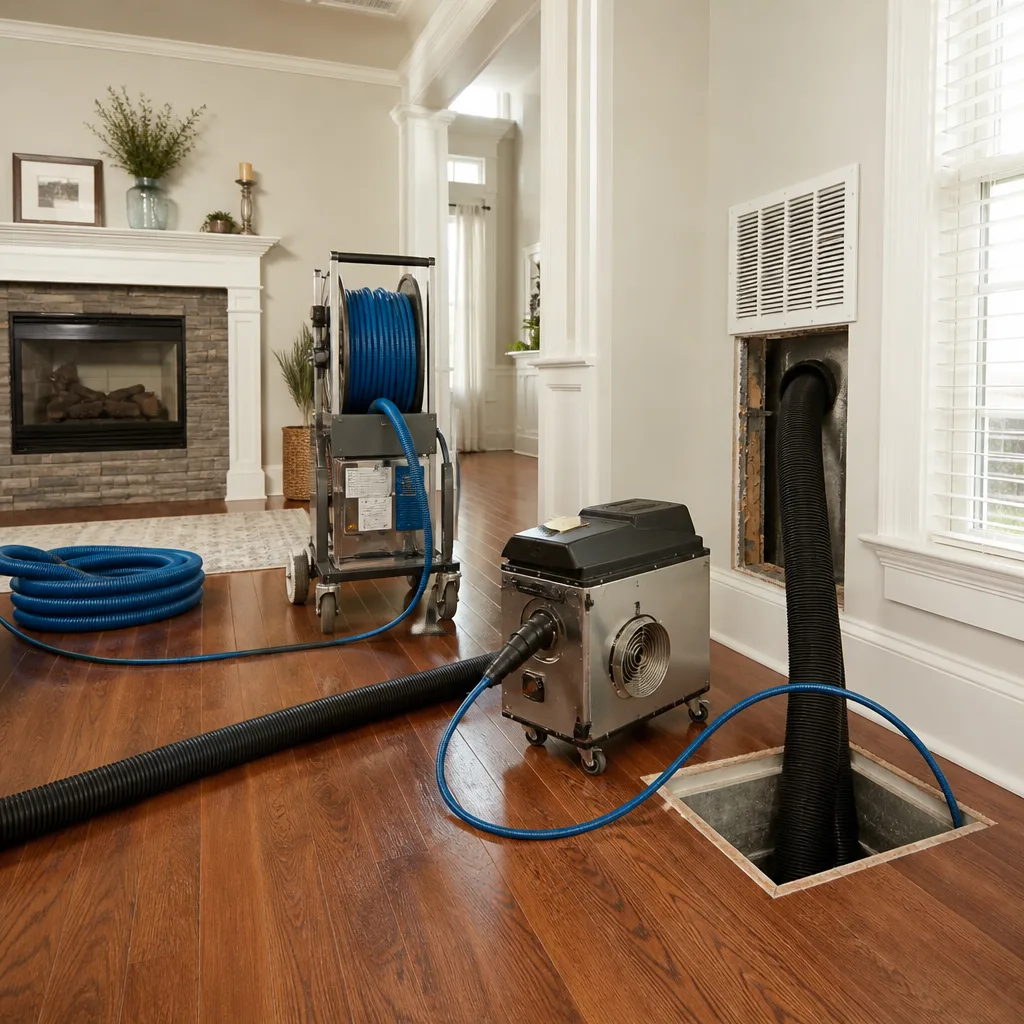 Whole-home duct cleaning
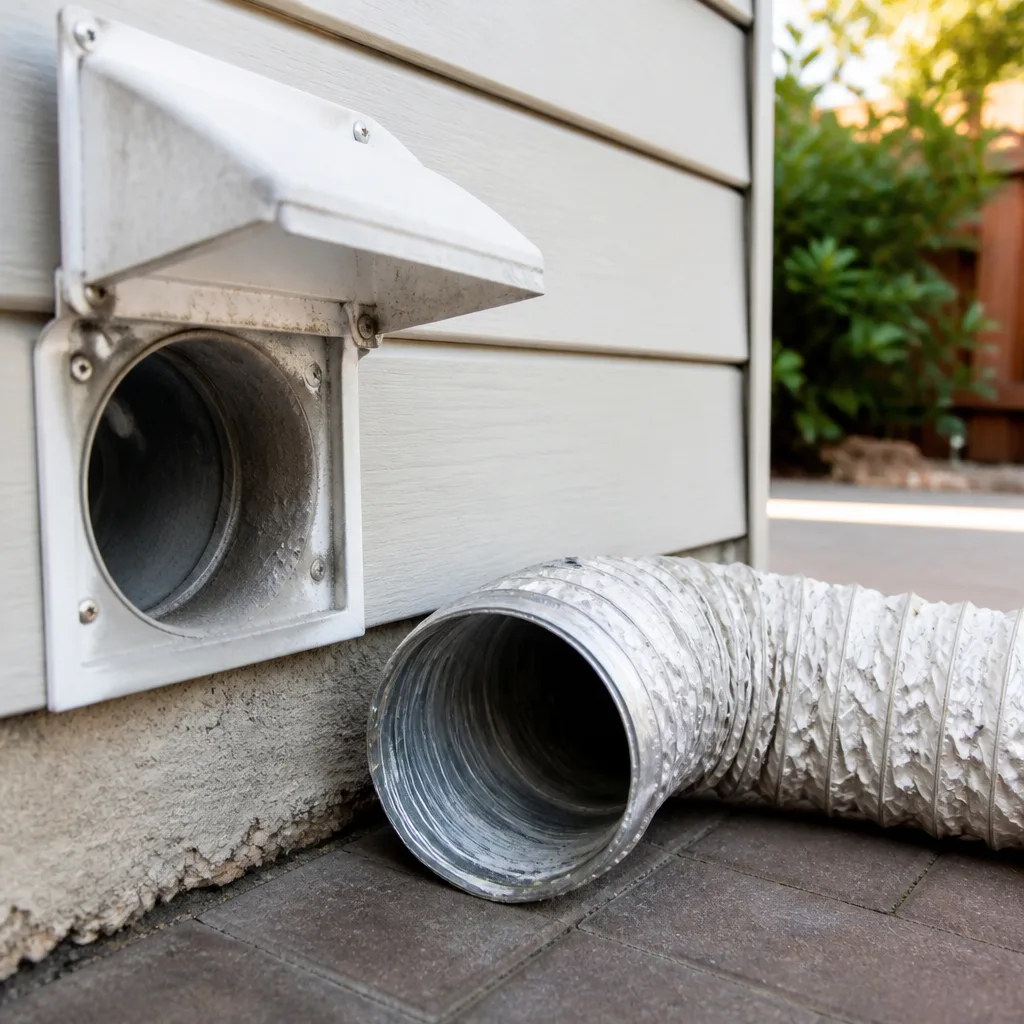 Dryer vent cleaning
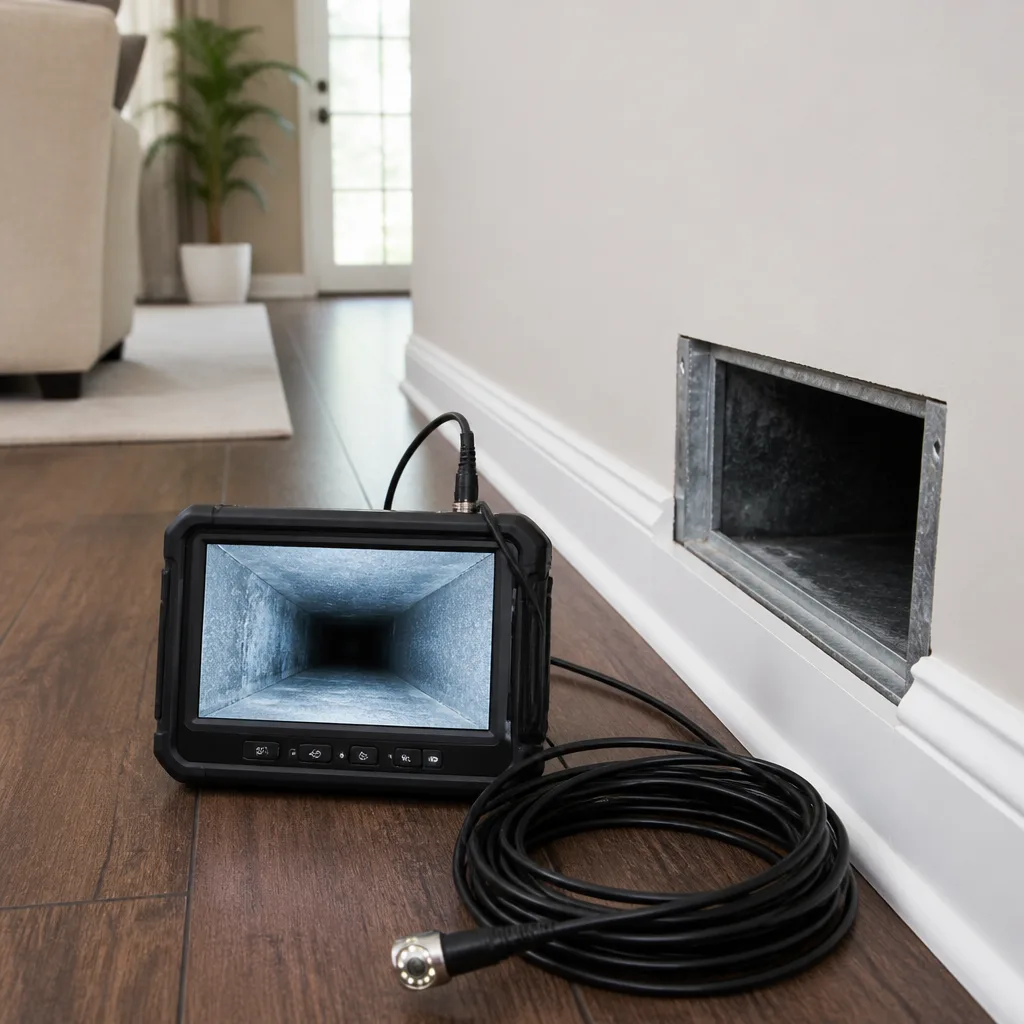 Camera inspection
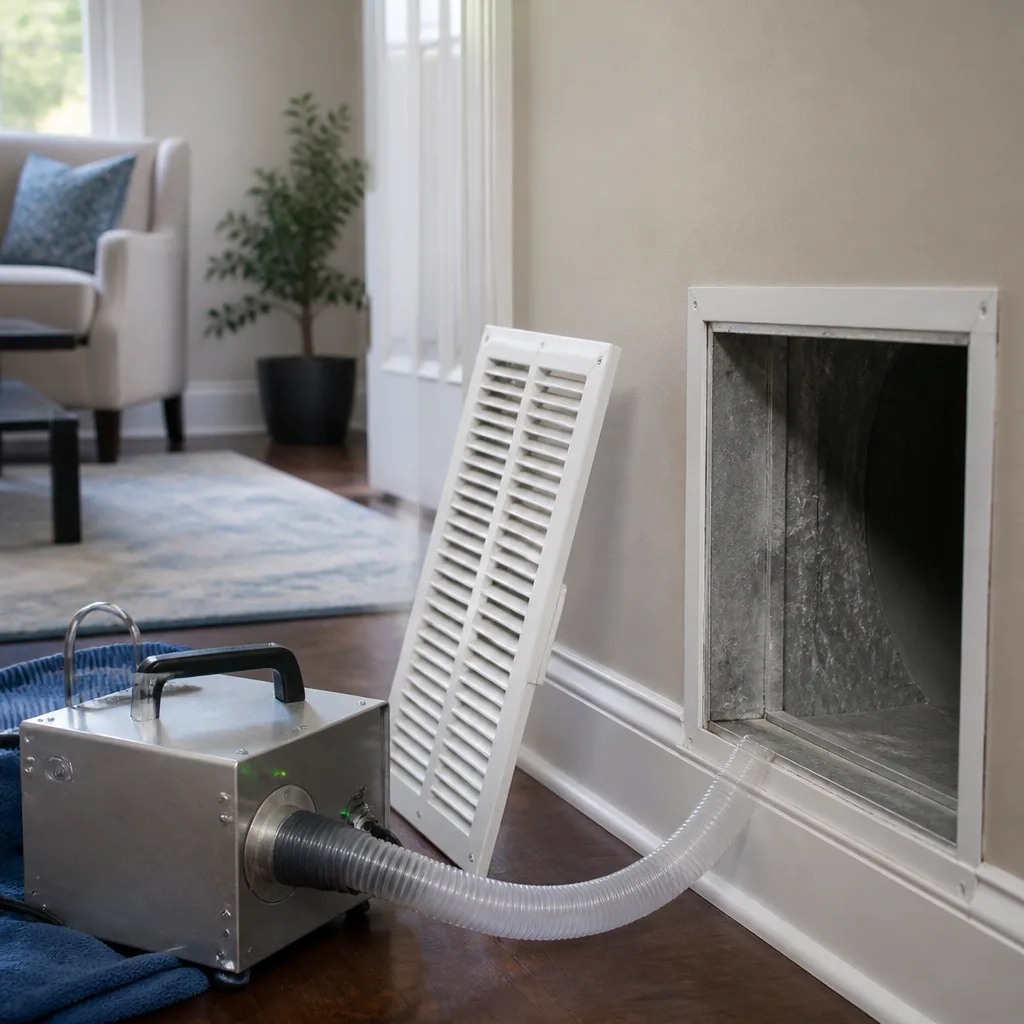 Sanitizing & deodorizing
Whole-system duct and dryer vent check with before-and-after photos - you see exactly what came out of your vents
That "$99 whole-house special" is a bait ad - the real number appears once they are in your hallway, or the "clean" is a shop-vac at the register. We photograph the inside of your ducts before and after instead.
Air Duct Cleaning Maintenance Checklist for Dilworth Homeowners
The filter you change every month tells you almost nothing about what’s happening fifteen feet into the duct run. Most homeowners in Dilworth treat the filter as the whole story: swap it, forget it, repeat. Meanwhile the parts that actually fail – plenum connections, flex duct joints, the cabinet seams around the air handler – sit unexamined behind drywall and insulation for years. A maintenance checklist isn’t just a cleaning schedule. It’s a monitoring routine that catches duct deterioration, filter bypass, and moisture intrusion while they’re still cheap to fix. This guide gives you that routine, month by month and season by season.
Quick Answer
A working air duct maintenance checklist for a Dilworth home covers three rhythms: monthly filter and register checks, quarterly inspection of accessible duct connections and the air handler cabinet, and an annual professional cleaning and full air-pathway assessment. The homeowner’s job is monitoring – spotting loading patterns, condensation, and loose joints early. The professional’s job is mechanical cleaning, sealing, and repair with equipment a flashlight can’t replace.
Styles & brands we work with
- Whole-home duct cleaning
- Dryer vent cleaning
- Camera inspection
- Sanitizing & deodorizing
Table of Contents
- The Monthly Checklist: Filter, Registers, and Airflow
- The Quarterly Checklist: Returns, Plenum, and Air Handler
- What Filter Loading Patterns Reveal About Duct Leakage
- Inspecting Flexible Duct Connections at the Plenum
- Humidity Benchmarks and Duct Condensation Risk in Dilworth
- The Annual Professional Assessment
- When a Checklist Finding Needs Professional Equipment
- Common Mistakes to Avoid
- When to Call a Professional
- Frequently Asked Questions
The Monthly Checklist: Filter, Registers, and Airflow
Monthly tasks take about ten minutes and they’re the highest-value minutes in the whole routine. You’re not cleaning anything yet. You’re reading the system.
- Pull the filter and hold it up to a light. Note where it’s dark and where it’s still clean. Even loading across the whole face is normal. A stripe of heavy loading on one side, or a clean patch in the middle, is a signal – more on that below.
- Replace or wash the filter according to its rated interval. A one-inch fiberglass filter loads fast; a thicker pleated media filter lasts longer. Match the replacement to the slot depth, not to whatever’s on sale.
- Check the filter fit in the slot. Run a finger around the edges. If you can feel air moving past the filter frame, unfiltered air is bypassing the media entirely.
- Walk every supply register with your hand. Feel for consistent airflow and note any room that’s weaker than the others. Weak rooms on the same branch often point to a disconnected or crushed duct run.
- Look at the register face and the ceiling or floor around it. Dust streaking radiating from the grille suggests air is escaping around the boot rather than through it. Dark rings on drywall or carpet are worth photographing.
- Listen at each register for a few seconds. Whistling means restricted flow; rattling means a loose damper or a boot that isn’t secured.
Write down what you find. A short log – date, filter condition, any registers that felt weak – turns a vague sense that “the air feels off” into a pattern you can hand to a technician. That log is also the single most useful thing you can bring to an air duct cleaning assessment, because it tells us which branches to inspect first. In Dilworth’s older homes, where duct systems have been added to and modified over the decades, the log often reveals that one wing of the house runs on a branch that was never properly balanced.
The Quarterly Checklist: Returns, Plenum, and Air Handler
Quarterly checks go one layer deeper. These are the spots homeowners skip, and they’re where most real problems live.
- Return grilles. Remove the grille and look at the return duct behind it. A visible dust mat on the duct walls is normal between cleanings. Standing debris, pet hair clumps, or anything that looks like it fell in and stayed is not.
- The air handler cabinet. With the system off, open the access panel if your unit has a service door designed for homeowner access. Look at the seams, the filter rack, and the bottom of the cabinet. Rust streaks or water staining mean moisture is getting in from somewhere.
- The plenum connection. Where the main trunk meets the air handler, look for tape peeling away, mastic that’s cracked, or a gap you can see daylight through. This is the most common failure point in residential systems, and it’s covered in detail further down.
- Accessible flex duct in the attic or crawlspace. Where runs are visible, check for sagging, kinks, or sections resting on sharp framing. A crushed flex run can lose most of its capacity without any noise or obvious symptom upstairs.
- Condensate line and drain pan. Confirm the pan is dry and the drain line isn’t clogged. A slow overflow wets the surrounding duct insulation, and wet insulation is where mold gets its start.
- Supply boots at the ceiling or floor. Push gently on the boot where it meets the drywall. Movement means the seal has broken, and that gap dumps conditioned air into the wall cavity.
A quarterly pass takes under an hour in most Dilworth houses. Photograph anything that looks off. Side-by-side photos from one quarter to the next are far more useful than a single snapshot, because deterioration is slow and easy to miss without a baseline.
What Filter Loading Patterns Reveal About Duct Leakage
The filter is a diagnostic tool, and most people never read it. Loading patterns point directly at problems in the duct system that a visual inspection of the registers will miss.
An evenly gray filter means air is moving through the media the way the system was designed to move it. Nothing to chase.
A filter that loads heavily on one side and stays clean on the other usually means the return duct feeding that side is leaking or disconnected upstream. Air is entering the return plenum from the attic, garage, or wall cavity instead of from the intended return path, and it’s carrying whatever the cavity holds. That’s a duct integrity problem, and cleaning alone won’t fix it – the leak needs to be sealed first.
A clean ring around the edges of the filter with a dirty center is the classic signature of filter bypass. The filter media itself is doing its job, but unfiltered air is slipping around the frame, past a collapsed gasket, or through a filter rack that’s too large for the filter. The fix is usually a correctly sized filter and a sealed rack, not a more expensive media. Bypass matters because the dust that slips past the filter is the dust that coats the evaporator coil and settles in the duct run.
A filter that loads much faster than its rating suggests points to renovation dust, a return that’s pulling from an unfinished space, or a duct system with a growing accumulation. If you’ve recently finished a basement or had drywall work done in Dilworth, expect a fast-loaded filter for a while. If the fast loading continues for months afterward, the debris has to be coming from somewhere.
Our technicians look at the filter first on every visit, because the pattern sets the agenda for the rest of the inspection. A loading pattern plus a room-by-room airflow note is worth more than an hour of guessing.
Inspecting Flexible Duct Connections at the Plenum
If you check one thing beyond the filter, check this. The connection where flexible duct meets the plenum or the air handler collar is the weakest joint in most residential systems, and it’s the one most likely to fail silently.
Flex duct is held to a metal collar with a zip tie or a clamp, then sealed with mastic or tape. Over years of cycling, vibration works the clamp loose and the seal cracks. The joint doesn’t fall apart; it just opens a little. That opening pulls attic air, crawlspace air, or wall-cavity air into the supply stream every time the blower runs.
- Turn the system off at the thermostat and let the blower stop completely.
- Find the plenum – the sheet-metal box attached to the air handler. The flex runs connect to its sides.
- Follow each visible connection with your eyes. Look for tape curling away from the collar, a zip tie that’s slid back, mastic that’s cracked or missing at the seam, or a gap between the flex and the metal.
- Check for inner-liner collapse. Feel the beginning of each flex run. If the inner liner is bunched up or crushed at the collar, the run is choked at its most important point.
- Look for sagging between supports. A flex run that dips between hangers collects debris at the low point and loses capacity.
- Restore power and listen. A whistle or a rush of air near the plenum that wasn’t there before is a sign the seal isn’t tight.
What you’re looking for is a joint that looks intact from a distance but isn’t sealed when you look closely. In Dilworth’s housing stock, where a lot of duct work was retrofitted into existing attics and crawlspaces, these connections are often the original installation and have never been re-sealed since. When you find one, don’t tape over it yourself and call it solved – a proper repair means re-securing the inner liner, re-clamping the connection, and sealing it with mastic rated for the temperature and location. That’s part of what our air duct cleaning Dilworth visits cover, because cleaning a system with a broken plenum joint just moves conditioned air through a leak.
Humidity Benchmarks and Duct Condensation Risk in Dilworth
Condensation is the quiet destroyer of duct systems, and it’s easy to miss because it happens inside insulation where nobody looks. A homeowner checklist should include a humidity reading, because humidity is the leading indicator of condensation risk.
Keep indoor relative humidity in the range most HVAC systems are designed to maintain – roughly 30% to 50%. Above that, the dew point climbs and any surface cooler than the surrounding air will collect water. Duct surfaces in an unconditioned attic or crawlspace during a Dilworth summer are often cooler than the air around them, which is exactly the condition that produces condensation on the outside of the duct insulation.
- Read humidity with a cheap hygrometer placed in the living space, not in the attic. A reading that stays above 55% for days on end is worth investigating.
- Look for damp insulation on accessible duct runs. Insulation that feels cool and clammy, or that’s discolored, has been wet.
- Check for water staining on the air handler cabinet, the plenum, and the ceiling or framing around supply boots.
- Watch for condensation on registers in the summer. Sweating grilles mean the supply air is very cold and the room air is very humid.
- Check the vapor barrier in a crawlspace. A torn or missing barrier lets ground moisture into the same space as the ducts.
Dilworth summers are humid enough that a duct system with damaged insulation or a compromised vapor barrier will show condensation problems within a season. Wet duct insulation doesn’t just reduce efficiency; it holds moisture against the duct surface, and that’s where microbial growth starts. If you find damp insulation during a quarterly check, don’t just let it dry. Find out why it got wet, because the source will keep feeding it. This is the point where a sanitizing and sealing scope earns its keep, and it’s why we treat moisture findings as a repair problem, not a cleaning problem. A professional assessment with HEPA-rated equipment tells you whether growth has already started inside the duct run.
The Annual Professional Assessment
Once a year, the system needs a full air-pathway assessment that a homeowner checklist can’t produce. This is where the scope extends from the vents into the parts of the system you can’t reach.
The annual visit has four parts. First, mechanical cleaning of the duct run with rotary brush equipment, which loosens and removes the accumulation that has bonded to the duct walls over the year. Second, a full inspection of the air handler, coil, and plenum for the conditions you’ve been logging all year. Third, a duct integrity check – sealing any joints, plenum connections, or boot gaps that have opened since the last assessment. Fourth, a moisture and growth inspection of any areas flagged during humid months.
Homeowners often ask how to know when it’s time. The honest answer is that the checklist answers that for you. If your log shows fast-loading filters, weak registers, or humidity swings across three seasons, the annual visit should happen on schedule. If the log is clean and the system is younger, the interval can stretch. In Dilworth, homes near mature tree cover tend to pull more pollen and organic debris into the returns through the cooling season, which usually argues for keeping the annual assessment on a regular rhythm rather than skipping years.
What the annual visit covers
- Full mechanical cleaning with professional-grade rotary brush and HEPA-rated vacuum equipment
- Inspection of the air handler, evaporator coil, and plenum
- Duct repair and sealing at accessible joints, plenum connections, and supply boots
- Sanitizing of the air pathway where biological growth or odor is present
- Assessment of the return system, including the filter rack and bypass
- A written record of conditions found, so the next year’s comparison has a baseline
Because our scope covers cleaning, sanitizing, dryer vent service, HVAC cleaning, and duct repair under one provider, the annual visit can address everything the checklist turned up without a second appointment. That matters more than it sounds: the most common reason duct problems get worse is that the homeowner had three findings and never scheduled anyone to handle the repair. A full-pathway provider handles the cleaning, the seal, and the repair as one job.
When a Checklist Finding Needs Professional Equipment
There’s a clear line between what a homeowner checklist can catch and what requires professional equipment. Crossing that line isn’t a failure of your inspection – it’s the checklist working as designed.
You’ve reached the threshold when any of these are true:
- The filter loading is uneven or shows bypass, and re-seating a correctly sized filter doesn’t fix it. That points to a duct leak or a compromised filter rack that needs sealing.
- A plenum joint is loose or the flex connection isn’t sealed. Tape and mastic from the hardware store won’t hold on a joint that needs the inner liner re-secured.
- Duct insulation is damp or there’s water staining on the cabinet or plenum. That’s a moisture problem with microbial growth risk, and it needs inspection, not drying.
- Debris is visible inside a return or supply duct, not just a light dust film. Bonded debris needs mechanical agitation to remove.
- A room’s airflow is significantly weaker and no damper adjustment in the supply grille fixes it. A crushed or disconnected run needs to be found, and that often means a camera or a pressure reading.
- Odor persists after a filter change and a register cleaning. Odor from inside the duct run usually means growth or organic matter that needs removal and sanitizing.
Here’s what professional equipment does that a flashlight inspection cannot. Rotary brush systems travel the length of the duct and mechanically break the bond between debris and the duct wall, then the HEPA-rated vacuum captures it instead of redistributing it into the room. The vacuum is the critical half. A shop vac or leaf blower pushes dust out of the registers and back into the air; a HEPA-rated unit holds it. Abatement Technologies filtration adds remediation-level containment to the job, so the air in your home isn’t carrying what the brush just loosened. And when a joint opens, sealing it with the right materials is a repair – the equipment and the repair are one operation, not two.
If you’re evaluating providers, ask what vacuum they run. The answer tells you more than any price quote. A proper HVAC cleaning scope should include duct repair and sealing, not just cleaning, because most systems over five or six years old have a joint or two that needs it.
Common Mistakes to Avoid
- Treating the filter as the whole checklist. A new filter a month does nothing for a disconnected run or a leaking plenum. The filter only tells you something if you actually read the loading pattern.
- Sealing a plenum joint with tape and calling it fixed. Standard tape fails on ductwork that cycles temperature. A joint that needs repair needs the inner liner and clamp redone, not wrapped.
- Ignoring humidity readings in summer. Dilworth’s humid months are exactly when condensation risk peaks, and a reading of 60% for a week is a warning you can act on before the insulation gets wet.
- Skipping the quarterly return and air handler inspection. The return side is where debris accumulates fastest and where filter bypass originates. It’s also the part most homeowners never open.
- Hiring whoever quotes the lowest price. A low teaser quote usually means a van with a shop vac and no HEPA filtration. Ask what vacuum they run and whether they seal joints. One flat price per system, agreed before work starts, is the fair way to buy this service.
- Comparing two-line quotes without knowing the scope. A quote that covers vents only and a quote that covers the full air pathway are not the same job. Ask whether the air handler, coil, and plenum are included.
- Letting a damp insulation finding sit. Wet insulation doesn’t dry out on its own in a crawlspace. It keeps the duct surface wet, and that’s where mold gets a foothold.
When to Call a Professional
Call a professional when the checklist produces a finding that needs equipment or repair: a plenum joint that’s loose, a filter that shows bypass or uneven loading, damp insulation or water staining, visible debris or persistent odor inside the duct run, or a room whose airflow stays weak after a damper adjustment. Also call after major renovation work, after a water intrusion event, or when a system hasn’t had a full assessment in several years. Air Duct Cleaning Dilworth offers free estimates in Dilworth – call (855) 337-2086. We answer 24/7. Fast dispatch from 7am to 7pm, Sunday through Friday. The estimate is free, and the price is set per job by the written estimate, one flat price per system agreed before work starts.
Frequently Asked Questions
Most homes in Dilworth do well with a professional cleaning and assessment every two to three years, with an annual inspection in between. Homes with allergies, recent renovations, pets, or older HVAC systems often need the cleaning on a tighter rhythm. The best guide is your own checklist log: fast-loading filters, weak registers, or humidity issues around three seasons running all point to scheduling sooner.
The filter’s loading pattern reveals duct leakage and bypass. Even gray across the face is normal. Heavy loading on one side, a clean ring at the edges, or loading much faster than the filter’s rating all point to air entering the system from the wrong place. If the pattern is uneven and re-seating a correctly sized filter doesn’t fix it, that’s a sign of a duct leak or compromised filter rack that needs sealing.
The plenum connection, where flex duct meets the air handler or main trunk. The clamp, tape, or mastic at that joint works loose over years of cycling, and the gap it opens pulls attic or crawlspace air directly into the supply stream. A quarterly look at that joint, particularly for curled tape, slid clamps, or cracked mastic, catches it while it’s still a minor repair.
Aim for roughly 30% to 50% indoor relative humidity. Above that, the dew point rises and duct surfaces cooler than the surrounding air start to collect condensation, especially in an attic or crawlspace during Dilworth’s humid months. If your hygrometer reads above 55% for several days, check accessible duct insulation for dampness and look for water staining on the air handler cabinet and plenum.
You can secure a return grille or push a boot back into place, but a plenum or flex connection that’s opened usually needs the inner liner re-secured and the joint re-clamped and sealed with mastic rated for the location. Tape from the hardware store fails on ductwork that cycles temperature. A joint that needs this repair is a job for the same visit as the cleaning, so the leak is fixed and the system is clean at the same time.
Ask for before-and-after photos of the duct interior at the same locations, and ask what vacuum is used. Our technicians photograph the duct run before and after cleaning, and the vacuum units are HEPA-rated so extracted debris is captured rather than recirculated. You’re also entitled to see what the technician sees, so ask for a walk-through of the plenum and air handler on the day of the visit.
Pricing depends on the number of runs, the system size, and whether repair or sealing is needed. We don’t quote by the vent or quote a teaser figure; the price is one flat price per system, set by a written estimate after the assessment. Call (855) 337-2086 for an exact quote – estimates are free.
Cheap quotes usually skip the equipment that makes duct cleaning real: HEPA-rated vacuum filtration, mechanical rotary brush systems, and a scope that includes the air handler and plenum. A low figure that grows once the technician is on site is the bait-and-switch pattern to watch for. One flat price per system, agreed before work starts, is the fair way to buy this service. Call (855) 337-2086 for an exact quote – estimates are free.
The Bottom Line
A maintenance checklist is the earliest warning system your duct system has. The monthly filter and register check catches bypass and weak branches. The quarterly return, plenum, and air handler inspection catches joint failures and moisture before they spread. Humidity readings flag the condensation risk that Dilworth summers make real. And the annual professional assessment handles what a flashlight can’t – mechanical cleaning with rotary brush systems, HEPA-rated capture, and repair and sealing at every joint that needs it. Log what you find, act on the patterns, and call us when a finding crosses the line into professional equipment.
Call (855) 337-2086 for a free estimate. We answer 24/7. Fast dispatch from 7am to 7pm, Sunday through Friday.
Written by the team at Air Duct Cleaning Dilworth.
See the difference
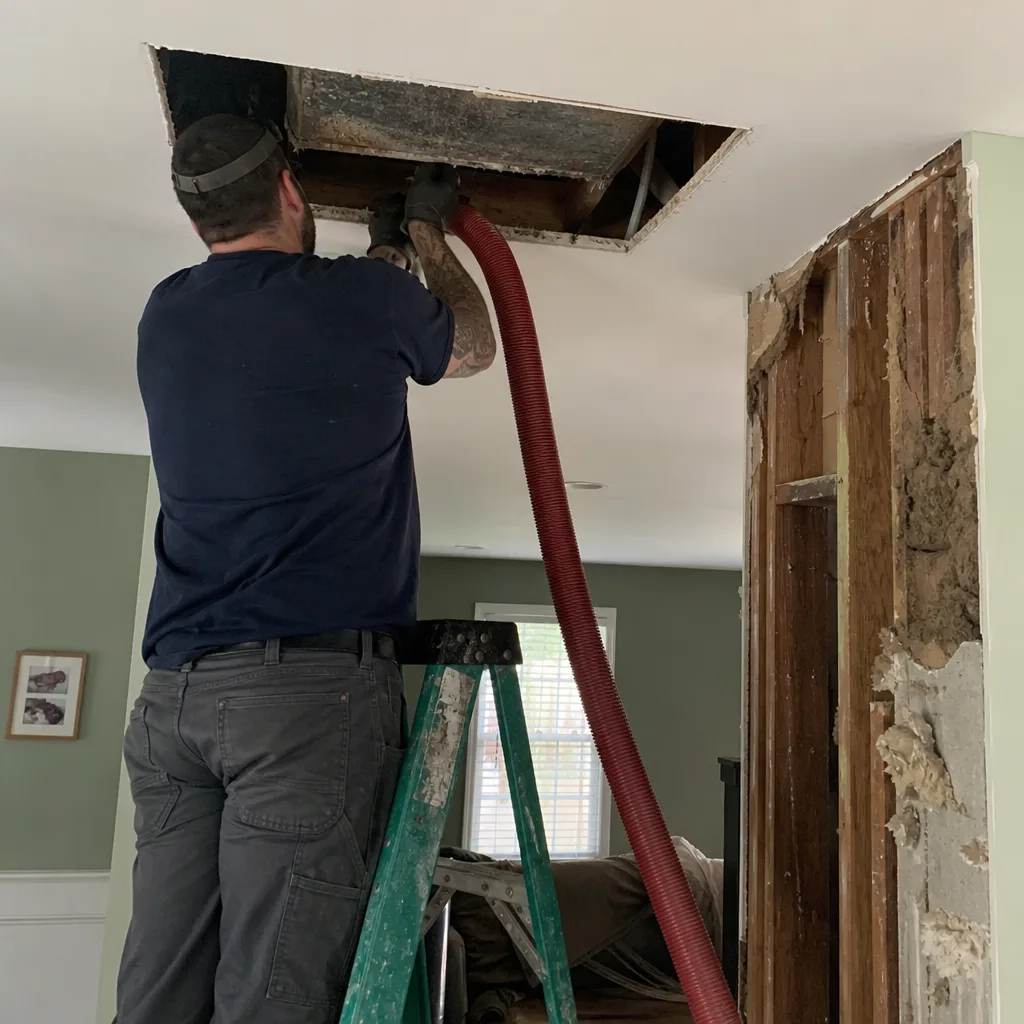 Before
 After
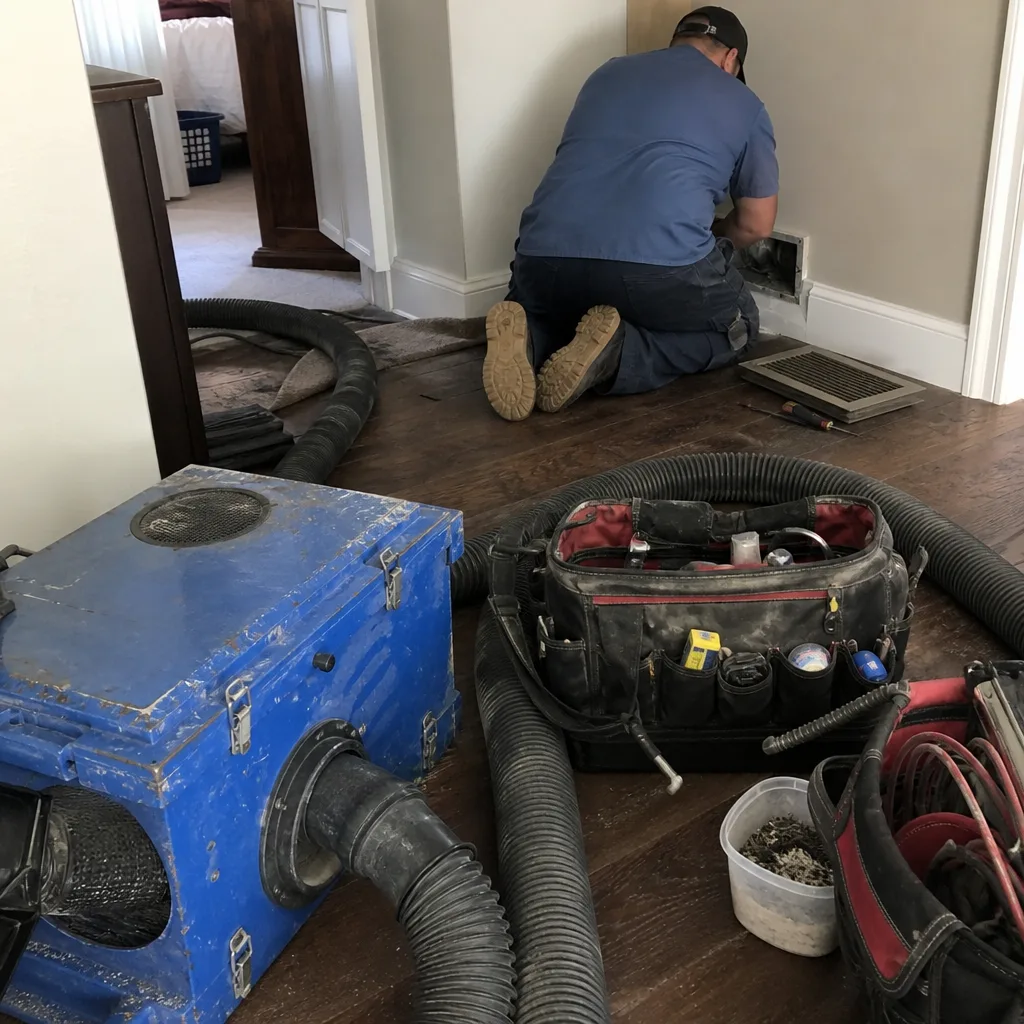 Before
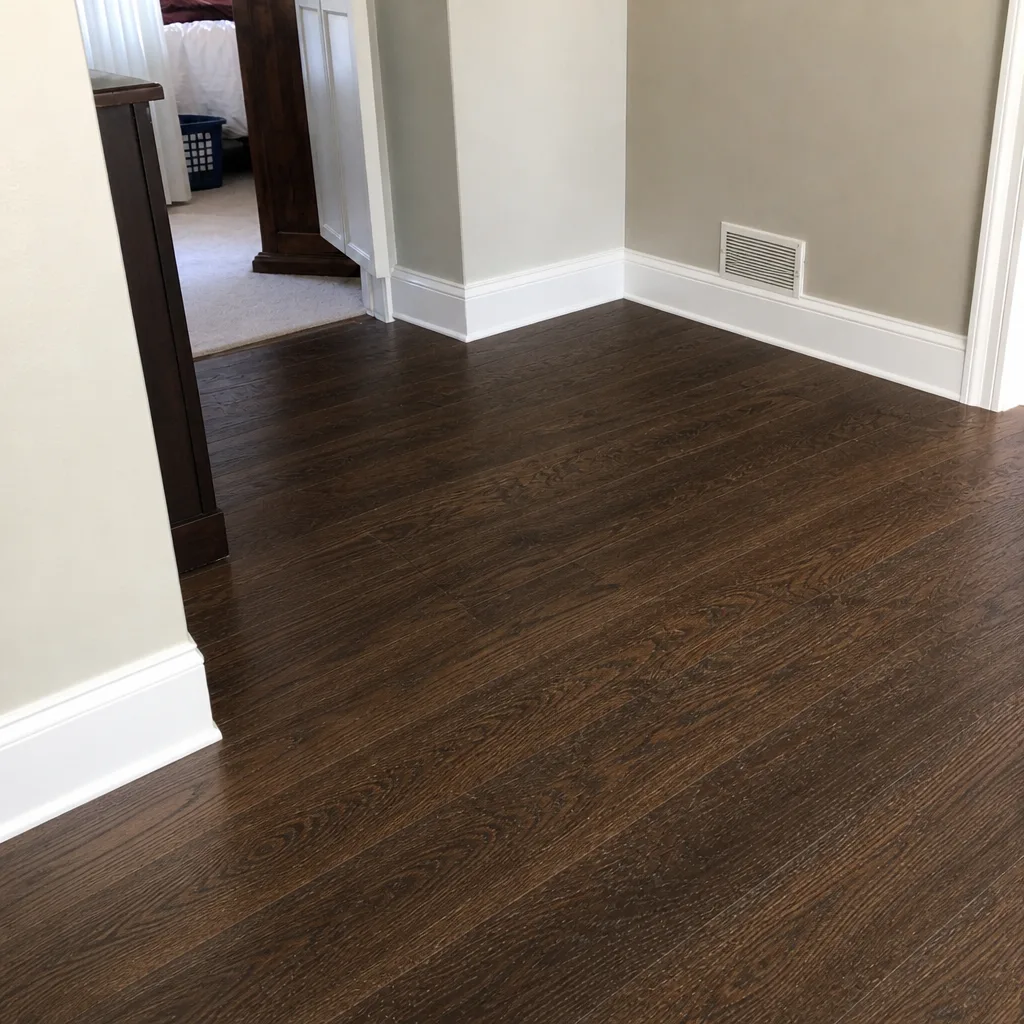 After
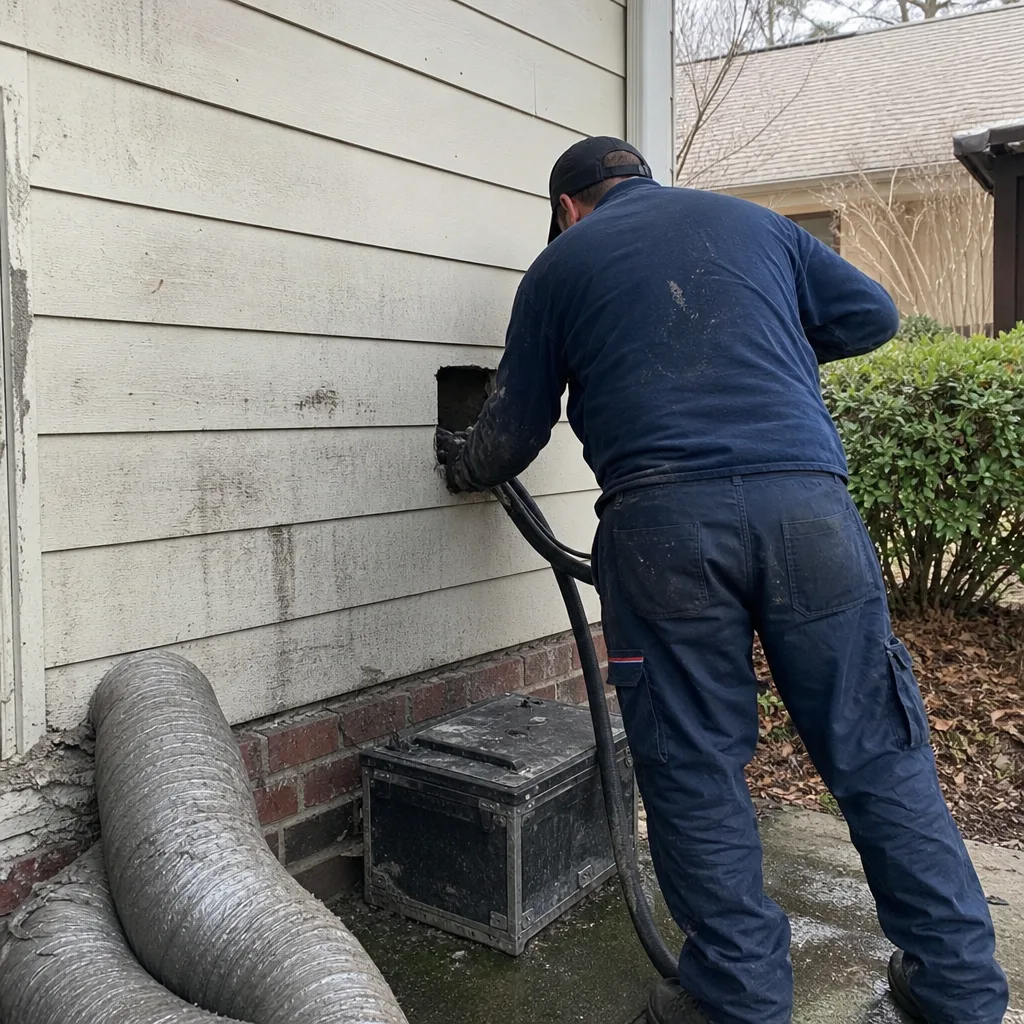 Before
 After