
Last updated November 25, 2026
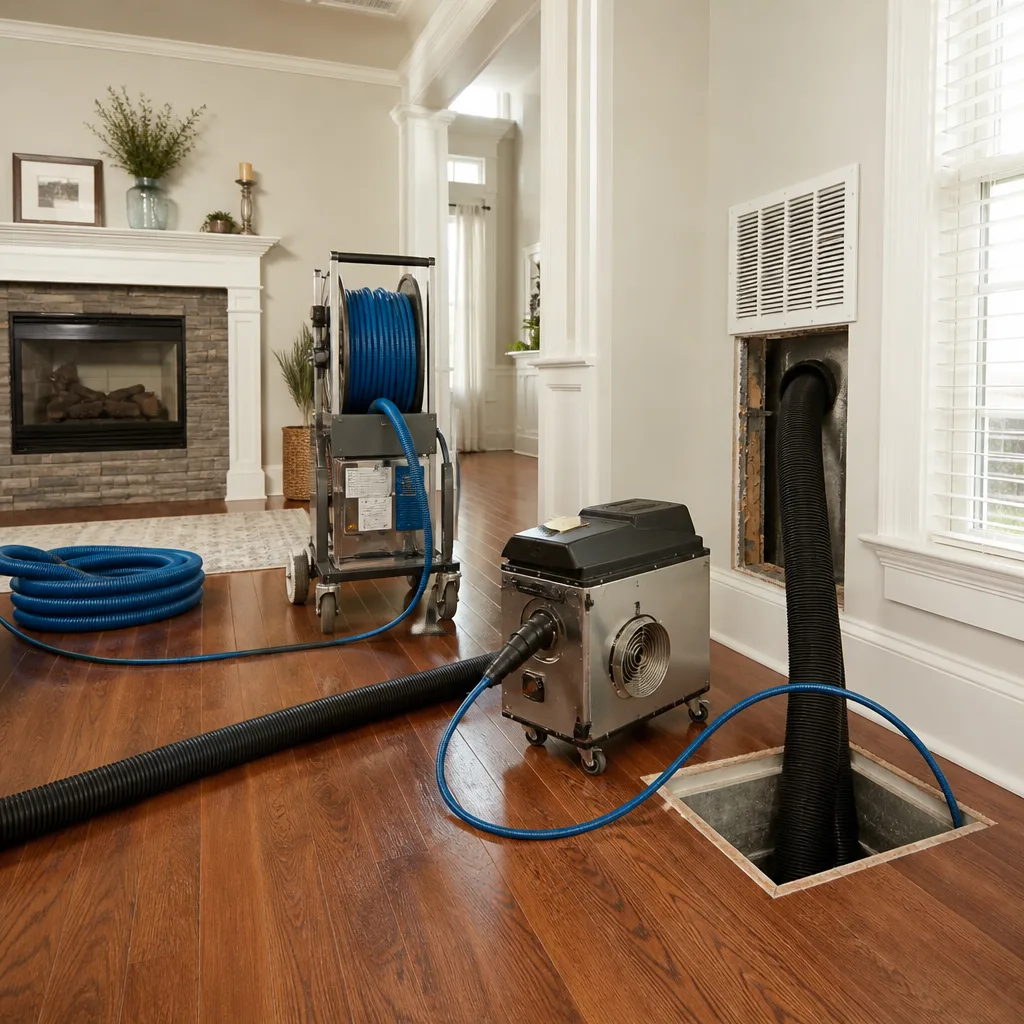 Whole-home duct cleaning
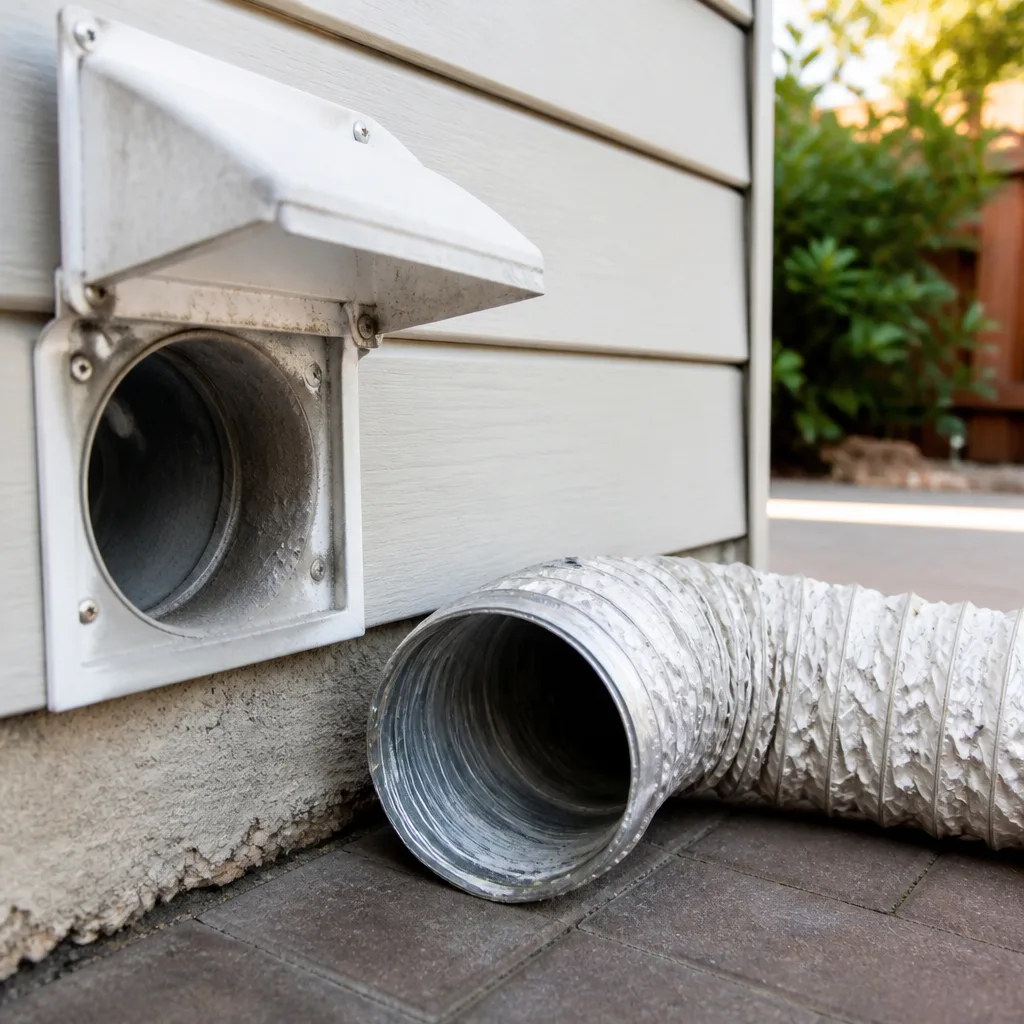 Dryer vent cleaning
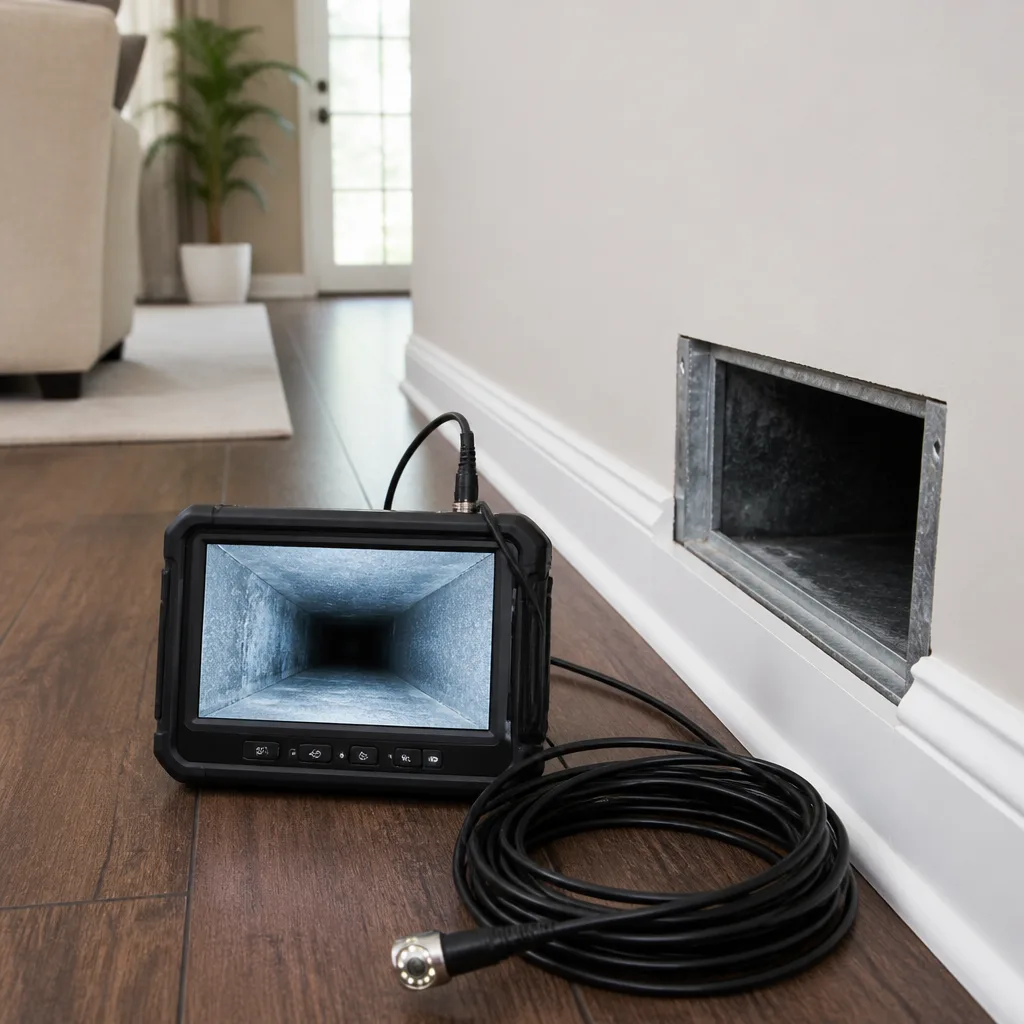 Camera inspection
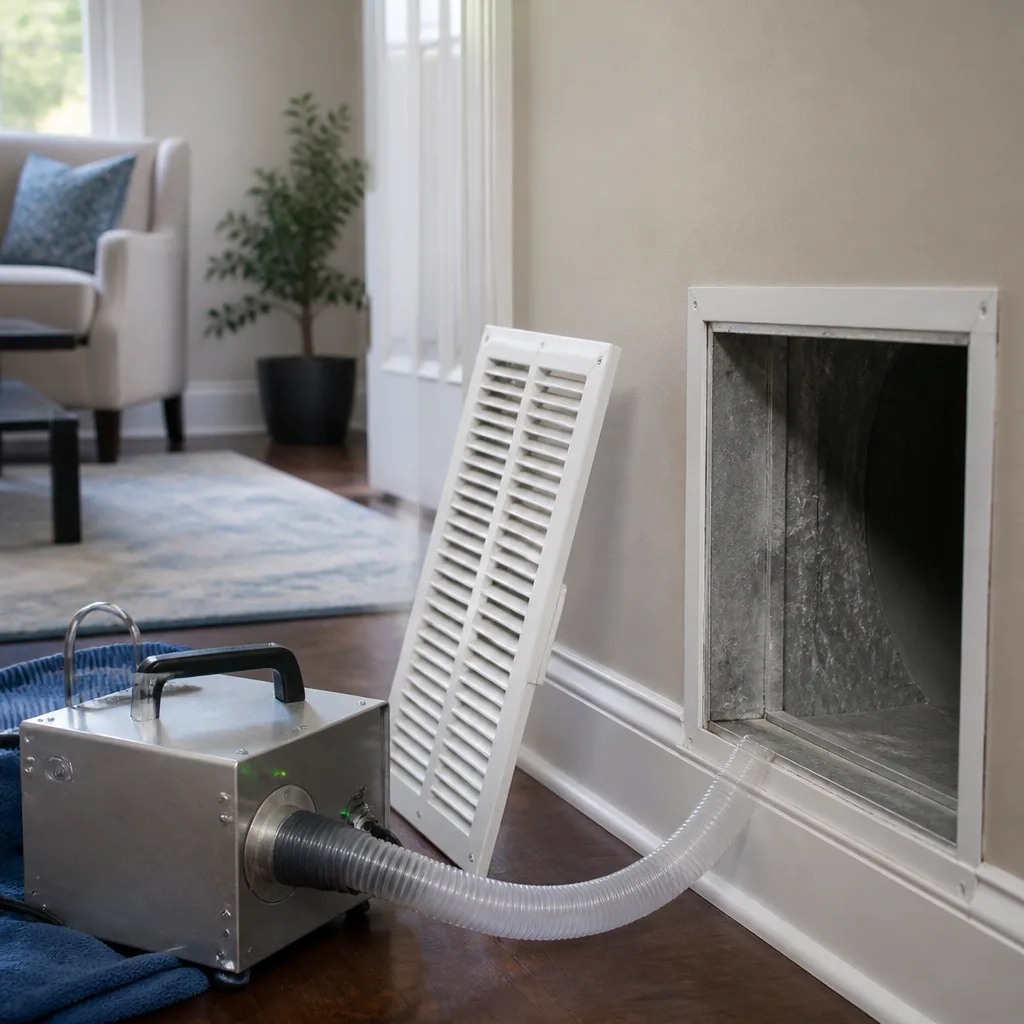 Sanitizing & deodorizing
Whole-system duct and dryer vent check with before-and-after photos - you see exactly what came out of your vents
That "$99 whole-house special" is a bait ad - the real number appears once they are in your hallway, or the "clean" is a shop-vac at the register. We photograph the inside of your ducts before and after instead.
DIY vs Professional Air Duct Cleaning: The Dilworth Homeowner’s Decision Guide
You can absolutely clean your air ducts yourself. You just can’t actually clean them. A consumer shop vac moves air at a fraction of the volume a duct system carries, so what it does inside a duct run is stir contamination loose and push it deeper rather than pull it out. That’s not a knock on your effort – it’s a limit of physics. In this guide we’ll walk through what source removal cleaning actually requires, what DIY maintenance genuinely accomplishes, where a homeowner in Dilworth can safely handle things, and where calling a professional is the only honest answer. You’ll finish with a clear decision framework you can use for years.
Quick Answer
DIY air duct cleaning works for surface-level upkeep – vacuuming registers, wiping return grilles, clearing the lint trap on a dryer vent – but it cannot perform source removal, because a household vacuum generates nowhere near the negative pressure and airflow a duct system needs. Genuine cleaning requires mechanical agitation inside the duct combined with HEPA-rated negative pressure containment. If your ducts have visible buildup, mold concerns, recent renovation dust, or allergy symptoms tied to the HVAC system, professional cleaning is the correct call.
Styles & brands we work with
- Whole-home duct cleaning
- Dryer vent cleaning
- Camera inspection
- Sanitizing & deodorizing
Table of Contents
- Why a Shop Vac Can’t Clean a Duct System: The Physics
- What Source Removal Cleaning Actually Involves
- What DIY Duct Maintenance Genuinely Accomplishes
- What Happens Inside Flex Duct When You Use a Shop Vac
- Scenarios Where DIY Is the Right Answer
- Using DIY Maintenance Between Professional Cleanings
- What Dilworth Homes Face That Others Don’t
- How to Evaluate a Professional Duct Cleaning Quote
Why a Shop Vac Can’t Clean a Duct System: The Physics
The limiting factor in duct cleaning is not hand skill. It’s airflow. A central HVAC system moves hundreds to over a thousand cubic feet per minute through the main trunk and branches. A typical shop vac pulls a small fraction of that and loses even more the moment you add hose length and a narrow nozzle. CFM tells you how much air the equipment can move; static pressure tells you how hard it can pull against resistance. Consumer vacuums are designed for short, wide, low-resistance pickups – a puddle in a basement, sawdust on a workbench – not for pulling a ribbon of settled dust down sixty feet of duct while fighting static pressure inside a closed metal tube.
There’s a second issue: containment. When you crack open a duct or feed a nozzle into a register, the system is still connected to the rest of the house. Without negative pressure isolation at the main trunk, whatever you loosen doesn’t leave – it gets distributed. We’ve seen systems where a homeowner’s cleaning attempt made the dust problem worse in the distant bedrooms, because the agitation simply relocated material downstream.
The Three Requirements of Real Duct Cleaning
- Airflow volume. Equipment that generates genuine negative pressure at the main trunk, measured in CFM, so the system is under suction before any brushing begins.
- Mechanical agitation. Rotary brush systems that physically scrub the interior walls of the duct, because settled dust bonds to metal and flex liner and does not simply lift off with air movement alone.
- HEPA containment. Filtration-grade equipment at the extraction point so the debris you’ve loosened is trapped, not recirculated into the living space you’re trying to protect.
Miss any one of those three and the job isn’t source removal. It’s movement. That three-part standard is exactly what separates the equipment we bring – Rotobrush rotary brush systems, Nikro HEPA-rated vacuums, and Abatement Technologies filtration devices built to remediation-grade containment standards – from anything sitting in a garage. It’s also why a serious professional air duct cleaning job is planned around the system’s layout rather than focused on individual vents.
What Source Removal Cleaning Actually Involves
Source removal means removing the contamination from its source rather than treating the symptom. In practice, a professional job of this kind in Dilworth follows a sequence, and the sequence matters as much as the equipment. Skipping a step is how cheap jobs end up looking clean at the registers and leaving the trunk full.
The Standard Professional Sequence
- System inspection. Identify the trunk, branches, registers, returns, coil housing, and plenum; note any disconnected, crushed, or damaged duct sections before touching anything.
- Negative pressure setup. Connect HEPA extraction equipment to the main trunk and establish suction so the whole system is under negative pressure for the duration of the work.
- Register and grille removal. Pull supply and return covers so each branch can be accessed and cleaned through the full run, not just at the face.
- Mechanical agitation. Drive rotary brush systems through each branch to break the bond between settled debris and the duct wall.
- Extraction. Capture loosened material at the HEPA unit while agitation continues, keeping the interior of the home out of the airflow path.
- Component cleaning. Clean the blower, coil surfaces, and drain pan area where dust and biological growth accumulate – this overlaps directly with HVAC cleaning.
- Sanitizing and protection. Apply an EPA-registered sanitizer where conditions call for it, and include a Guardsman-grade protective treatment within the sanitizing scope to slow future buildup.
- Verification and reassembly. Reinstall registers, restore the system, and walk the homeowner through before-and-after photos so they see what came out.
Notice how much of that list a homeowner physically cannot do. Steps two, four, and five require equipment no consumer owns. That’s the whole decision, reduced to its bones.
What DIY Duct Maintenance Genuinely Accomplishes
DIY duct maintenance is worth doing. It’s just a different job than cleaning the system. It’s the routine upkeep that keeps visible surfaces and accessible components from compounding between professional visits – and done consistently, it extends the interval between those visits, which saves real money over time. What it can’t do is reach the interior walls of a duct run you can’t see into.
What DIY Handles Well
- Register and grille faces. Removing supply covers and washing them in a sink clears the dust film that builds on the directional fins. This is genuinely effective and takes minutes.
- Return grille vacuuming. A brush attachment on a household vacuum pulls the loose lint mat that collects on return grilles before it migrates into the return trunk.
- Filter housing wipedown. The filter slot and the frame around it gather fine dust that bypasses the filter media. Wiping it during a filter change keeps that dust from being drawn into the blower.
- Accessible plenum surfaces. The flat sheet-metal faces you can reach at the air handler collect dust you can safely wipe down with a damp cloth.
- Dryer vent lint trap clearing. Pulling lint from the trap and the first accessible length of vent is routine maintenance every household should do – and it’s related to, though not the same as, full dryer vent cleaning.
What DIY Cannot Reach
- The interior walls of branch and trunk ductwork beyond arm’s length
- The coil surfaces and drain pan inside the air handler cabinet
- Settled debris in horizontal runs and low spots that gravity has packed down
- Biological growth on duct liner or in the plenum
- Contamination trapped behind interior duct insulation
If you’re going to do the visible half, do it well. It’s the cheapest air quality improvement available to any Dilworth homeowner, and it makes professional cleaning less frequent.
What Happens Inside Flex Duct When You Use a Shop Vac
Flex duct is where DIY attempts most often go wrong, and it’s worth understanding why. A flexible duct is a plastic liner reinforced by a wire helix and wrapped in insulation. The interior liner is thin and non-rigid. Push a shop vac nozzle into it and you cannot generate enough suction behind the nozzle to capture what you’re disturbing, but you can snag, tear, or crease the liner – and a torn liner becomes a dust trap and an air leak at the same time.
Worse is the redistribution problem. When you agitate debris in a flex branch without negative pressure at the trunk, that debris travels down the path of least resistance: into the next branch, back toward the air handler, or out a nearby register the moment the system runs again. A homeowner can spend an afternoon on a duct run and leave the system measurably dirtier in the rooms they were trying to fix, with no way to see the problem.
This is the reason the professional standard is isolation before agitation. With HEPA extraction running and the trunk under suction, loosened material has exactly one place to go: into the filter. Nothing redistributes because the airflow direction is controlled from the start. If you’re unsure whether your Dilworth home has flex branches, rigid metal, or a mix of both, that question alone is worth a professional inspection.
Scenarios Where DIY Is the Right Answer
DIY isn’t the wrong choice across the board. There are specific situations where the sensible move is to handle it yourself and skip the call entirely. Being honest about those is part of doing this work well.
DIY Is the Right Call When:
- You’ve just finished a renovation and need register cleanup. Drywall dust settles on register faces and in the first few inches of each boot. Pulling the covers, washing them, and wiping the accessible boot interior handles the visible layer. Professional deep cleaning is warranted within the first year after major work, but the immediate cleanup is yours to do.
- Your dryer is taking longer to dry clothes. Check the lint trap and the flexible connector behind the dryer first. Clearing that accessible lint is DIY territory – but if the vent run continues behind a wall, that’s a professional job.
- Your registers look dusty but the system is otherwise clean. Washing grille faces solves a cosmetic problem at no cost. Don’t reach for the shop vac and start pushing into the duct itself.
- You’re changing your filter and want to wipe the housing. Routine filter maintenance is basic homeowner work and it’s genuinely useful.
- You’re between professional cleanings. Keeping visible surfaces clean extends the interval. Most homes don’t need professional attention on any fixed schedule, and upkeep on your end is the reason why.
The line to hold is clear: anything you can see and reach with a cloth, handle it. Anything that requires pushing a tool into a duct run, leave to equipment that can establish negative pressure first.
Using DIY Maintenance Between Professional Cleanings
The most cost-effective approach for a Dilworth homeowner is a hybrid: professional source removal cleaning at sensible intervals, with light DIY maintenance in between. Done right, that maintenance spreads the professional visits further apart and reduces your overall cost of ownership over the life of the system. Here’s a routine that works.
A Practical Maintenance Routine
- Change the filter on schedule. This is the single highest-impact habit. A loaded filter raises static pressure on the whole system, which increases dust settlement in the ducts themselves. Follow the filter manufacturer’s guidance and check it monthly during heavy-use seasons.
- Wipe the filter housing during each change. Thirty seconds with a damp cloth keeps bypass dust out of the blower.
- Vacuum return grille faces monthly. A brush attachment pulls the loose lint before it migrates. This is the one place a household vacuum genuinely earns its keep.
- Wash supply registers every few months. Remove the covers, wash in a sink, dry fully, reinstall. Do this by hand – never run duct registers through a dishwasher cycle.
- Clean the dryer vent lint trap after every load. This is not optional maintenance; it’s basic safety practice.
- Watch for the signals that professional cleaning is due. Visible dust streaking at registers within a week of cleaning, a persistent musty smell when the system runs, or allergy symptoms that track with HVAC operation. These point past surface upkeep.
Consistent surface maintenance is the difference between needing professional cleaning every few years and needing it more often. Dust moves through a duct system the same way it moves through any part of a house – steadily, and quietly. The trick is to stay ahead of it rather than waiting for something to complain.
What Dilworth Homes Face That Others Don’t
Duct contamination is a regional issue, not a universal one. The mix of conditions in Dilworth shapes what builds up, and it shapes how often a homeowner should think about cleaning.
Dilworth’s humid summer months mean higher condensation potential inside ductwork, especially when air-conditioned supply ducts run through unconditioned attic or crawl space. Anywhere moisture lingers on duct liner or the coil surfaces, dust has a surface to stick to and biological growth has a place to start. In the cooler months, longer run times mean more dust moving through the same system, and the dry air a furnace produces carries fine particulate further into branch runs than fans run intermittently will.
The housing mix matters too. Many Dilworth homes have a mix of original metal trunk lines and later flex branch conversions, so a single system can present two different cleaning challenges. Flex duct holds contamination differently from metal, and older metal trunk lines often develop seams that draw dust in when they leak.
It’s also worth knowing that duct repair and sealing are part of what we do – not because leaks are dramatic, but because a leaking return trunk quietly pulls attic or crawl space air into the supply pathway, and cleaning without addressing that leak will not hold. That’s why our scope extends to repair and sealing, and why we install and service air quality systems from Aprilaire and Honeywell: cleaning addresses what accumulated, and system-level air quality work addresses what keeps re-accumulating. If you’re curious how deep the full-service scope runs, our guide on the Air Duct Cleaning Dilworth service covers the wide view.
How to Evaluate a Professional Duct Cleaning Quote
Your decision to hire professional equipment is separate from the decision about which provider to hire. The duct cleaning category has a well-earned skepticism problem, and the reason is consistent: a low advertised price that grows once the technician is on site. Here’s how to protect yourself.
Green Flags
- A whole-system price, not a per-vent price. Cleaning by the vent incentivizes counting vents, not cleaning them. Ask for a flat price per system based on what the job actually involves.
- Specific equipment names. The company should tell you what machinery they use. If they can’t name their equipment, they probably don’t have serious equipment.
- Before-and-after photos of your ducts, not generic marketing photos of someone else’s job.
- A written scope that says what’s covered – registers, branches, trunk, coil, blower, sanitizing – and what isn’t.
- Local, state-licensed, insured, and bonded as their state requires. The local professional we can connect you with meets those requirements.
Red Flags
- “$89 whole house” or similar teaser pricing that doesn’t survive the first inspection
- A price quoted by the vent rather than by the system
- No mention of HEPA equipment or negative pressure
- No walk-through or verification offered at the end of the job
- Pressure to add service categories on the spot before work begins
The fair comparison is never the headline price. It’s the written estimate against a defined scope, and a price agreed before the work starts. Our position on that is straightforward: one flat price per system agreed upfront, before-and-after photos you review yourself, and a satisfaction guarantee.
Common Mistakes to Avoid
- Using a shop vac on flex duct. The nozzle can snag and tear the interior liner, and the lack of negative pressure at the trunk means you’ll push debris deeper instead of removing it. Leave flex branches to equipment with controlled airflow.
- Running the system while you’re disturbing dust. If the air handler is running during any duct-side cleaning, you’re moving contamination into the living space. Shut the system off first.
- Assuming a coupon price is a final price. Low advertised prices become much larger invoices once the technician arrives. Ask for a written scope and a flat price per system before booking anything.
- Skipping filter changes and blaming the ducts. A loaded filter raises system static pressure and increases settlement in the ducts. Quick, cheap filter work solves many “dirty duct” complaints before they start.
- Ignoring a leaking trunk during cleaning. Cleaning without repair means the leak pulls in fresh contamination every time the system runs. Repair and sealing need to be part of the plan, not an upsell.
- Cleaning for appearance and calling it air quality. The goal is removing what’s in the air pathway, not making the register faces look neat. The two aren’t the same thing.
- Not asking about equipment. A provider who can’t tell you what they’ll put into your ducts is asking you to trust a process you can’t inspect.
See the difference
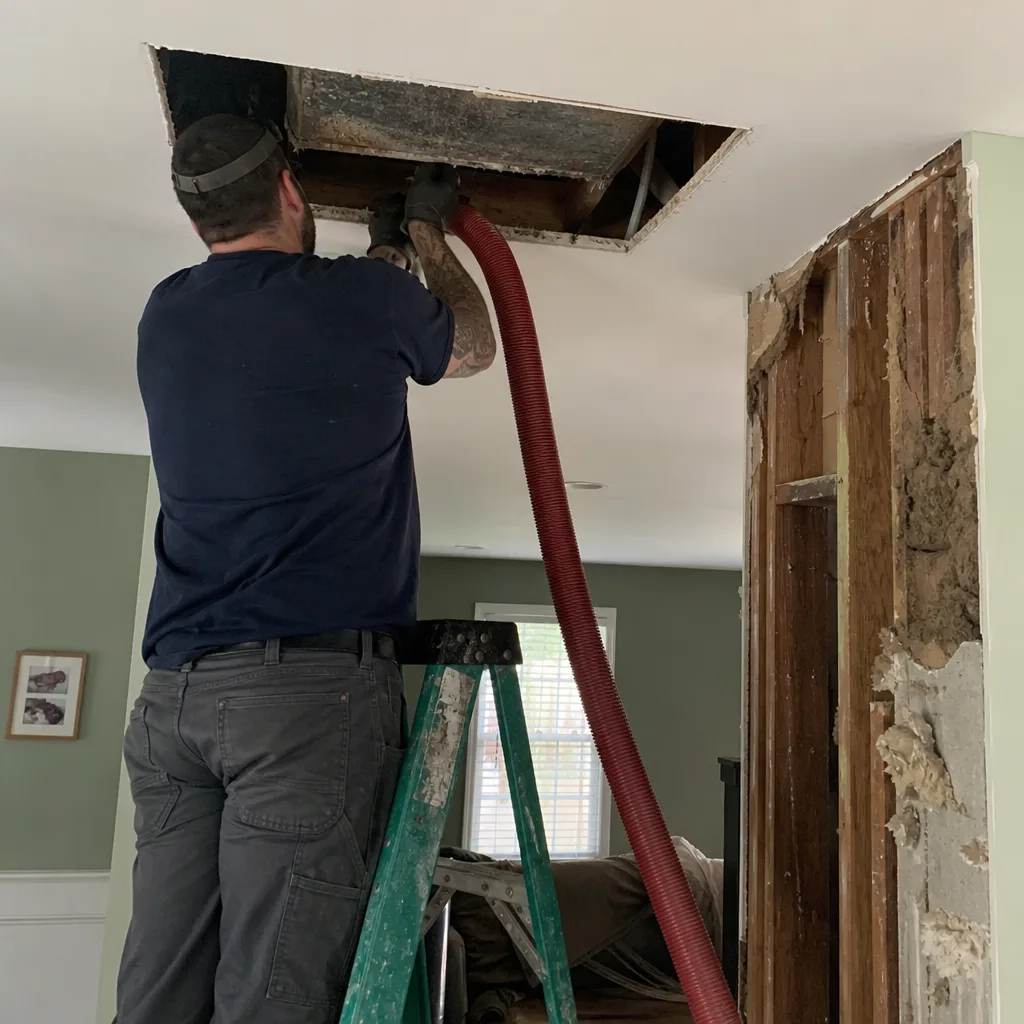 Before
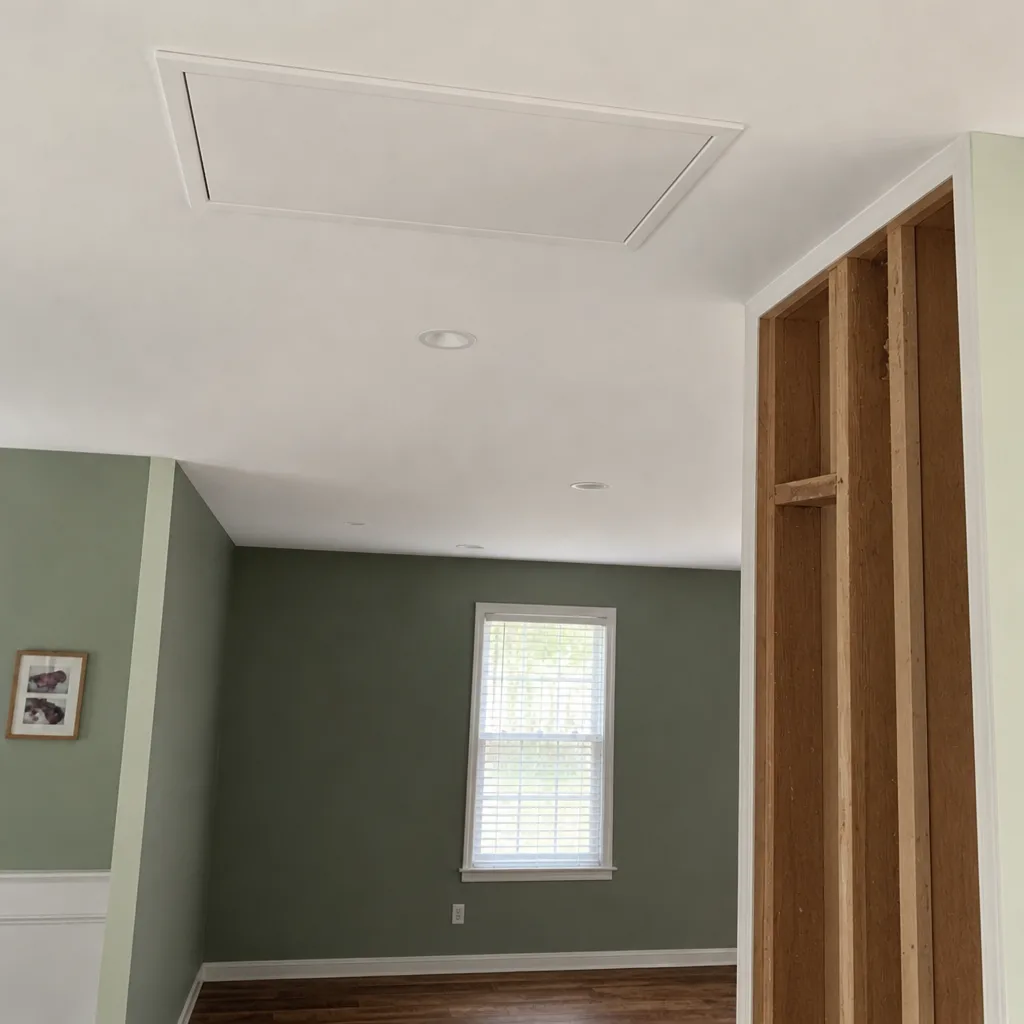 After
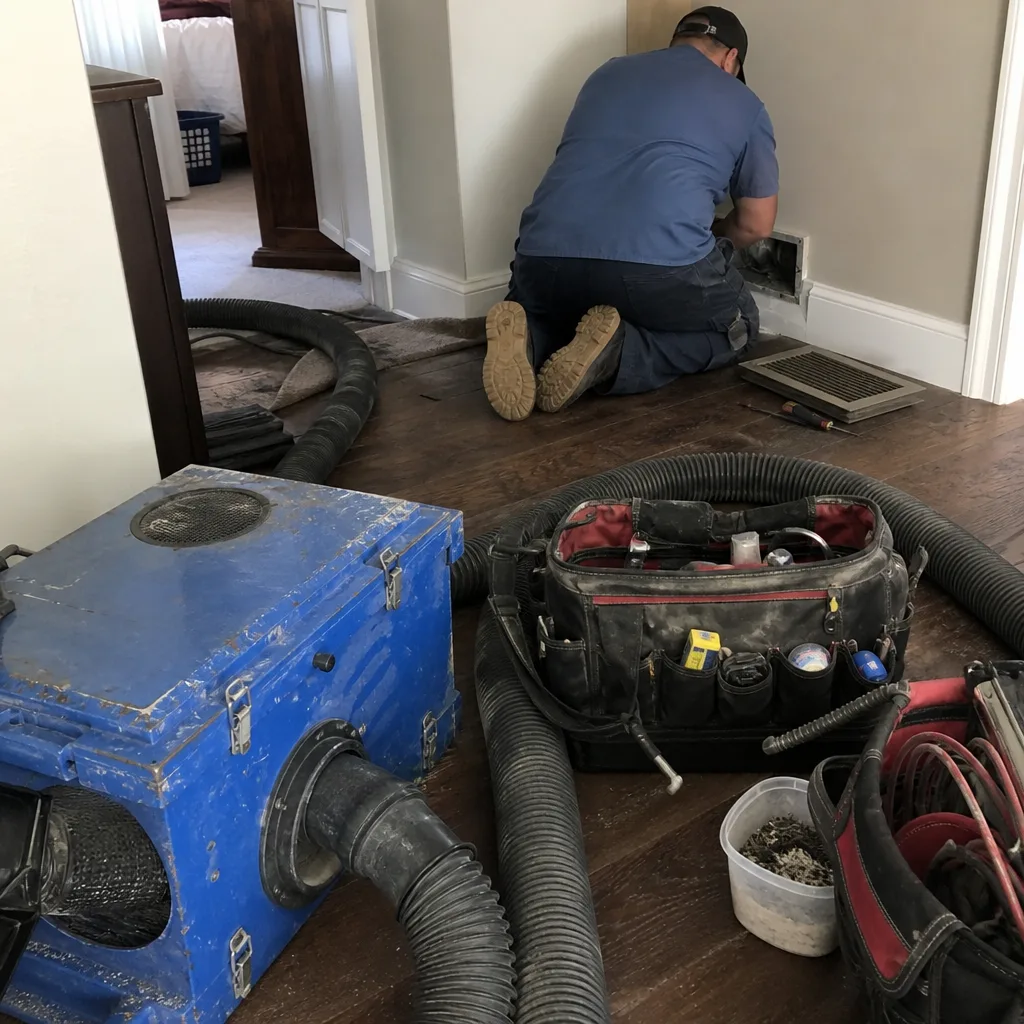 Before
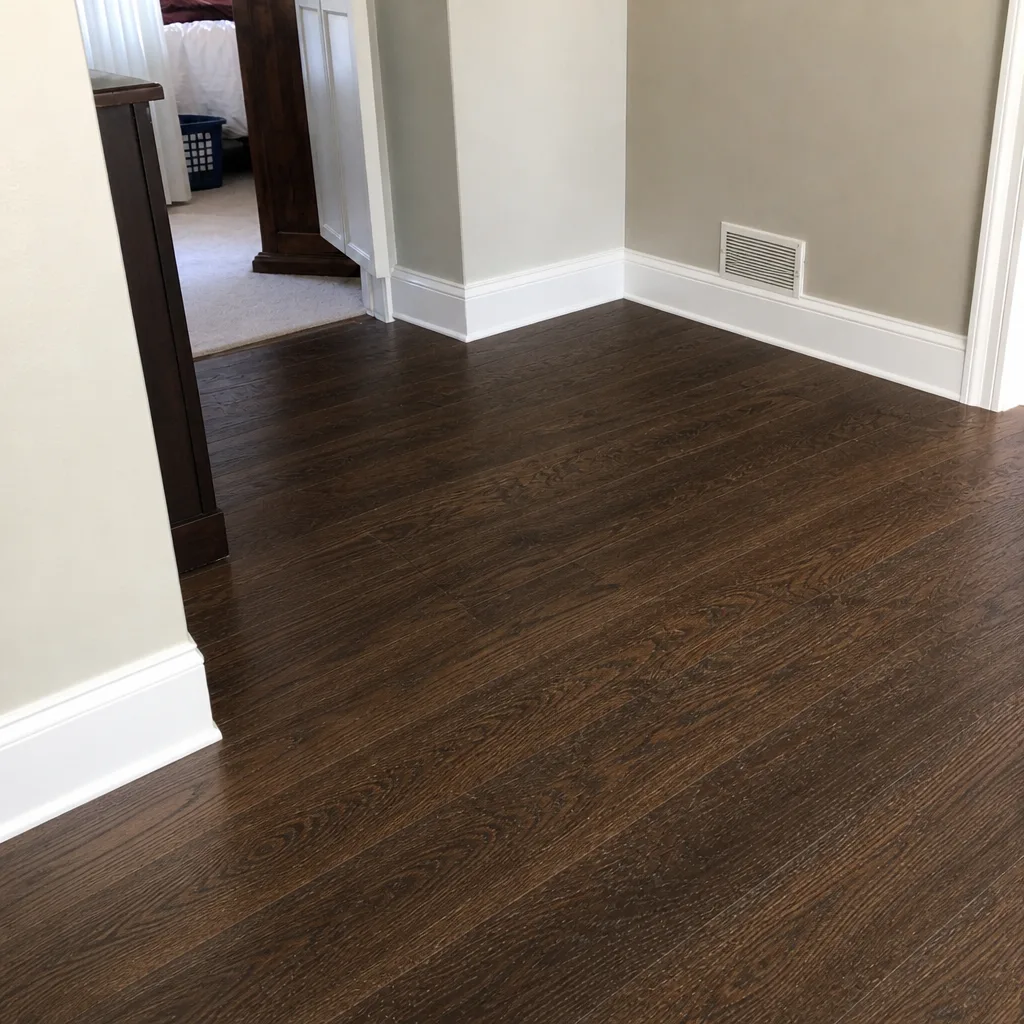 After
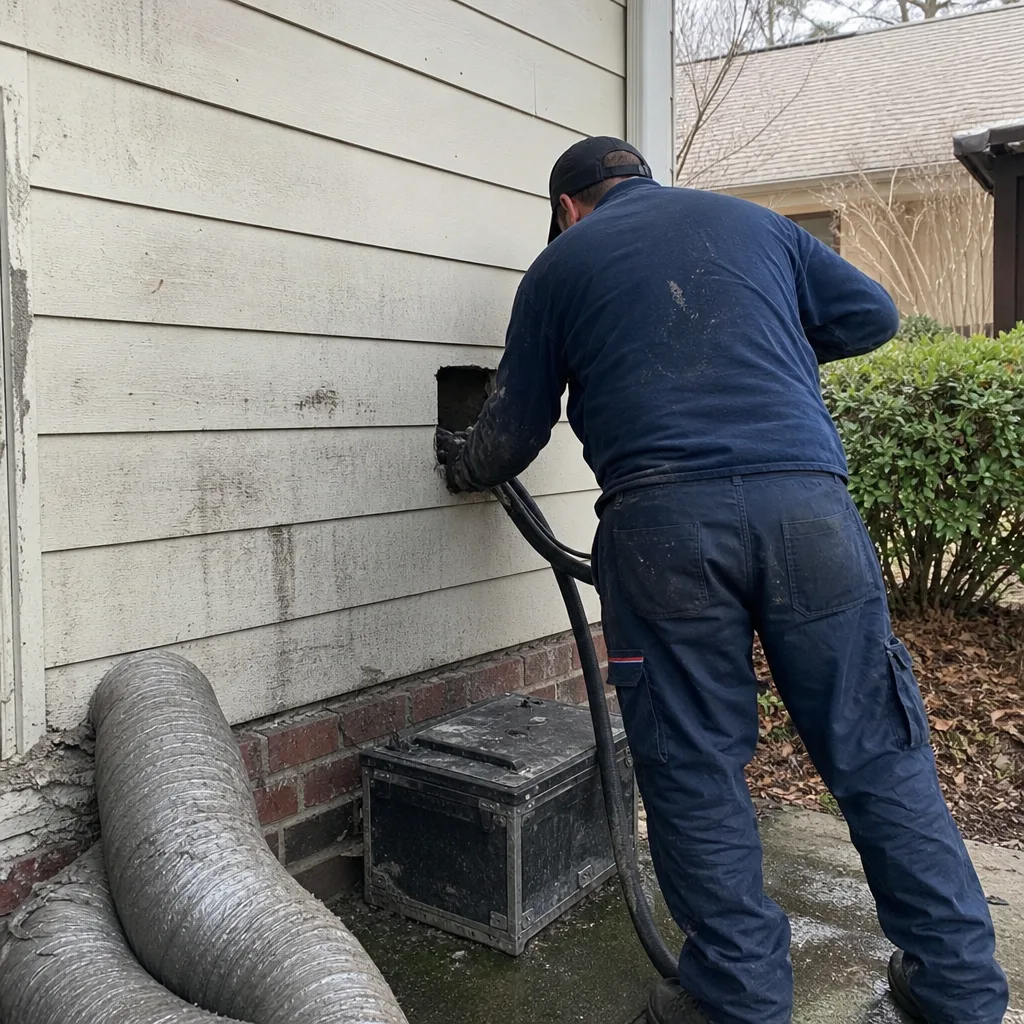 Before
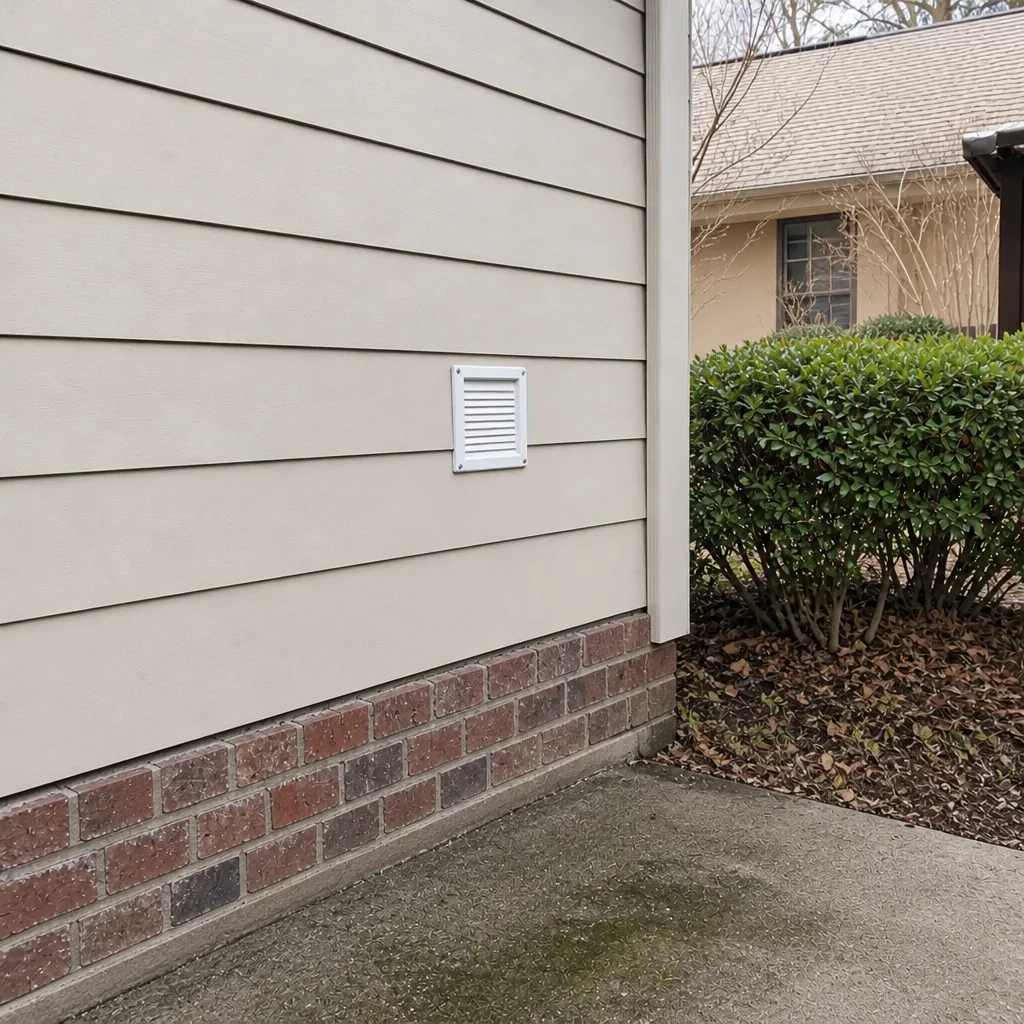 After
When to Call a Professional
Some signs in Dilworth should end the DIY question immediately. Visible dust streaking returning to your registers within days of cleaning. A musty or persistent smell when the HVAC runs. Allergy symptoms that track with system operation. Recent major renovation or drywall work. A home you’ve just purchased and don’t have cleaning history for. Visible dust matting inside a return boot you can see into. Any sign of mold at the coil or duct liner – and a visible tear in flex duct, which needs repair before anyone cleans it.
Air Duct Cleaning Dilworth offers free estimates in Dilworth. Call (855) 337-2086. We answer 24/7. Fast dispatch from 7am to 7pm, Sunday through Friday – we’re closed on Saturday. Our technicians have up to 9 years of experience, and we bring Rotobrush rotary brush systems, Nikro HEPA-rated vacuums, and Abatement Technologies filtration equipment to every job in that scope.
Frequently Asked Questions
You can clean the visible parts – register faces, return grilles, filter housing – but a shop vac cannot perform source removal inside a duct run, because it can’t generate the negative pressure or airflow the system requires. It redistributes contaminant rather than removing it. Call (855) 337-2086 for an exact quote – estimates are free.
We can’t quote you an honest number without seeing the system, because the cost depends on the number and length of branches, whether the trunk is metal or flex, whether the coil needs cleaning, and whether repair work is needed. What we can tell you is that the price is set per job by a written estimate, given before work starts. Call (855) 337-2086 for an exact quote – estimates are free.
Because per-vent pricing and teaser rates are designed to change once the technician is on site and the system is inspected. A quote that isn’t a flat price per system, from a written scope, isn’t a real price. Call (855) 337-2086 for an exact quote – estimates are free.
Ask for before-and-after photos from inside your own ducts, and a walk-through at the end of the job. Any provider who can’t produce photos from your system hasn’t given you verifiable evidence. Call (855) 337-2086 for an exact quote – estimates are free.
For most homes in Dilworth, professional cleaning is event-driven rather than calendar-driven – after major renovation, after moving into a home with unknown history, or when you see symptoms like recurring register streaking or system-related odor. Consistent DIY maintenance between visits extends the interval and reduces the cost over time. Call (855) 337-2086 to talk through whether your system is due.
Yes, because keeping filters changed, return grilles vacuumed, and register faces clean slows the buildup rate inside the ducts themselves. Fewer cleanings over the life of the system is the payoff. Call (855) 337-2086 for an exact quote on anything beyond surface upkeep – estimates are free.
The Bottom Line
The DIY vs professional question comes down to one fact: cleaning is a matter of access and equipment, not effort. You can handle the visible half of duct maintenance – register faces, grille vacuuming, filter housing, lint traps – and it’s worth doing consistently. What you can’t do is generate the CFM and negative pressure required for source removal, and in flex duct a shop vac can make things worse. So the framework is this: DIY for the surfaces, professional for the system. When the system side is due, call (855) 337-2086 for a free estimate. One flat price per system agreed before work starts, professional-grade equipment, and photos you review yourself.
Written by the team at Air Duct Cleaning Dilworth.